

On this page
Nephronophthisis
This rare genetic condition primarily affects children and young adults, gradually impairing kidney function. It is a leading genetic cause of end-stage renal disease in these age groups, requiring careful medical management.
Available at Jeen Health
Clinical tests that include this
Overview
Nephronophthisis (NPHP) is a group of inherited kidney diseases characterised by the progressive damage to the kidney tubules, which are essential for filtering waste and regulating fluids. This damage leads to inflammation and scarring, gradually reducing the kidneys' ability to function effectively [PMID:33671221]. Over time, this can result in chronic kidney failure, often requiring dialysis or a kidney transplant. NPHP is considered a ciliopathy, meaning it is linked to problems with cilia, small, hair-like structures on the surface of cells that play a crucial role in cell signalling and organ development, including in the kidneys.
Symptoms & clinical features
Symptoms of nephronophthisis often develop gradually and can be non-specific in the early stages. Common signs include increased urination (polyuria) and excessive thirst (polydipsia) due to the kidneys' reduced ability to concentrate urine. Children may also experience growth delays, anaemia, and fatigue. As the condition progresses, individuals might develop high blood pressure and signs of chronic kidney disease, such as swelling in the legs and face (oedema). The age at which symptoms become noticeable and kidney failure develops can vary depending on the specific genetic cause [PMID:28751480].
Video: Genetics 101
Affected organs
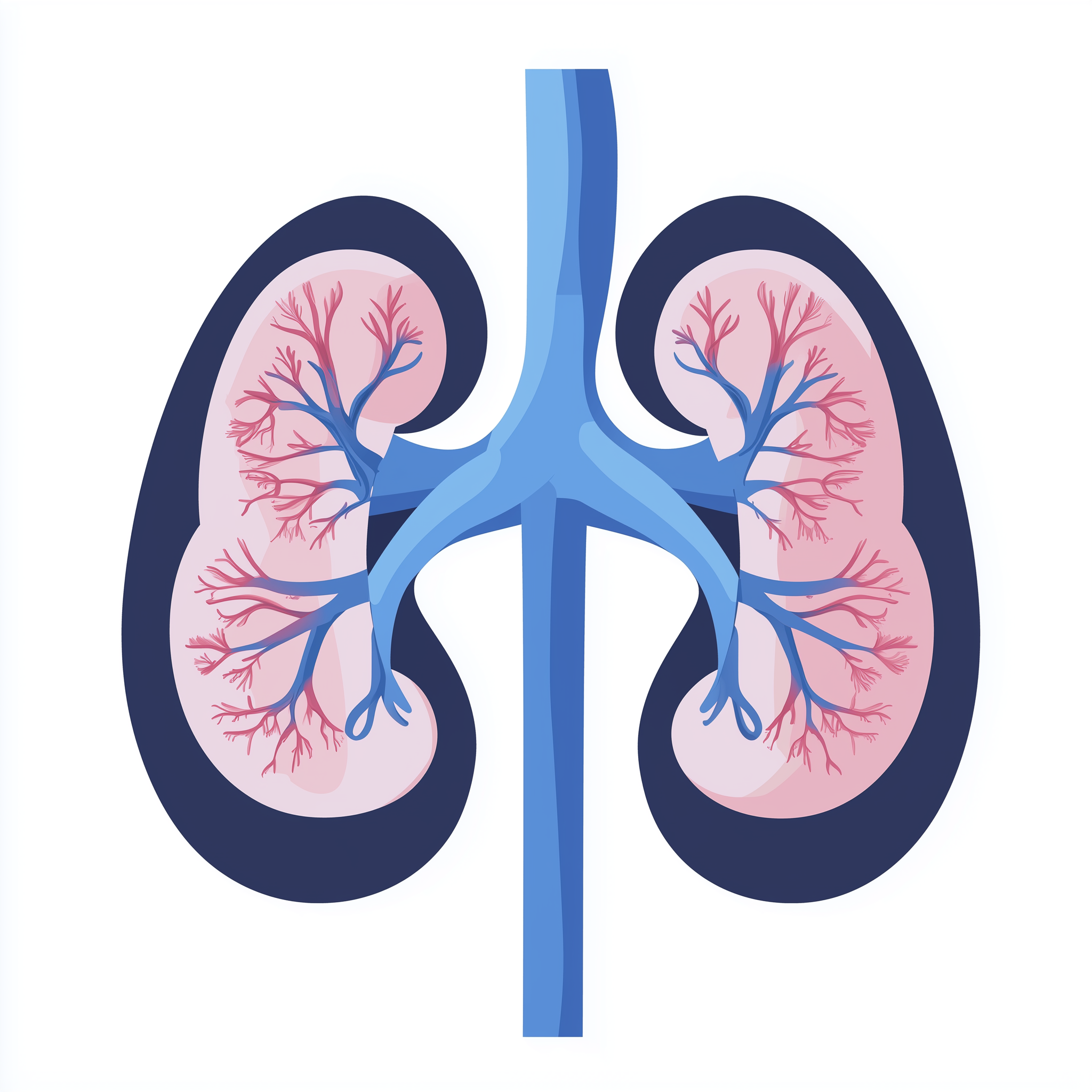
The primary organ affected by nephronophthisis is the kidney, specifically the renal tubules and glomeruli, which are the filtering units. Damage to these structures leads to the characteristic inflammation and scarring. In some forms of NPHP, other organs can also be involved, including the eyes (retinal degeneration), liver (fibrosis), and brain (developmental problems). These extra-renal manifestations are often observed in related ciliopathies, but pure NPHP typically presents primarily with kidney involvement.

Risks & severity
Nephronophthisis is a progressive condition, meaning kidney function gradually worsens over time. The severity can vary, but it almost always leads to end-stage renal disease (ESRD), requiring kidney replacement therapy. The age of onset for ESRD typically ranges from childhood to early adulthood, with infantile, juvenile, and adolescent forms recognised. Juvenile NPHP, which usually leads to ESRD between 10 and 19 years of age, is the most common form [PMID:28751480]. The exact prevalence of nephronophthisis is not well established but is estimated to be between 1 in 50,000 and 1 in 1,000,000 in the general population. It is a leading genetic cause of ESRD in children and young adults.
Genetic causes
Nephronophthisis is caused by pathogenic variants (changes) in specific genes. These genes provide instructions for making proteins that are important for the function of cilia, which are critical for normal kidney development and function. The most common genetic cause, accounting for about 20-30% of cases, is a deletion in the NPHP1 gene. Other genes associated with NPHP include NPHP3 and NPHP4 [PMID:33671221]. The proteins produced by these genes, such as nephrocystin-1, nephrocystin-3, and nephrocystin-4, play vital roles in the structure and function of cilia in kidney cells. When these proteins are not formed correctly due to genetic changes, the normal signalling and function of kidney cells are disrupted, leading to the progressive damage seen in NPHP.
Inheritance pattern
Nephronophthisis is inherited in an autosomal recessive pattern. This means that a person must inherit two copies of a pathogenic variant - one from each parent - to develop the condition. Individuals who inherit only one pathogenic variant are called carriers. Carriers typically do not show symptoms of nephronophthisis but can pass the variant on to their children. If both parents are carriers of the same NPHP gene variant, there is a 1 in 4 (25%) chance with each pregnancy that their child will inherit two copies of the variant and develop the condition. There is also a 2 in 4 (50%) chance that their child will be a carrier, and a 1 in 4 (25%) chance that their child will not inherit any pathogenic variants and will not be a carrier.
When both parents are carriers, each child has a 25% chance of being affected, 50% of being a carrier, and 25% of being unaffected.
Diagnosis & testing
Diagnosis of nephronophthisis is typically suspected based on clinical signs of chronic kidney disease, particularly in children and adolescents, combined with increased urine output and thirst. Imaging studies, such as kidney ultrasound, may show abnormally small or abnormally large kidneys with increased echogenicity (brightness) and cysts in the corticomedullary region. Definitive diagnosis relies on genetic testing, which identifies pathogenic variants in one of the known NPHP genes [PMID:28751480]. Referrals for genetic testing are usually made by a paediatrician, nephrologist, or clinical geneticist. In the UK, genetic testing for NPHP falls under the NHS National Genomic Test Directory, with specific R-codes for renal conditions.
Management & lifestyle
While there is currently no cure for nephronophthisis, management focuses on slowing the progression of kidney damage and managing symptoms. This typically involves regular monitoring of kidney function, blood pressure control, and dietary modifications. Medications may be prescribed to manage symptoms like anaemia, bone health issues, and high blood pressure. As kidney function declines, individuals will require renal replacement therapy, which includes dialysis (peritoneal or haemodialysis) or a kidney transplant. Management is provided by a multidisciplinary team, including nephrologists, dietitians, and specialist nurses, within the NHS framework. Genetic counselling is also recommended for affected individuals and their families to understand the inheritance pattern and implications for future family planning.
UK care pathway
In the UK, individuals suspected of having a genetic kidney condition like nephronophthisis would typically be referred to a consultant nephrologist or a clinical genetics service. These services can assess symptoms, arrange appropriate investigations, and coordinate genetic testing through the NHS Genomic Medicine Service (GMS). Genetic tests for inherited kidney diseases are listed in the NHS National Genomic Test Directory (e.g., under R-codes for renal disorders like R112, R113, R114 for ciliopathies or specific kidney disorders). Following a diagnosis, individuals and families will have access to genetic counsellors who can provide detailed information about the condition, its inheritance, and support options.
Frequently asked questions
What is the typical outlook for someone with nephronophthisis?
Nephronophthisis is a progressive condition that leads to end-stage renal disease (ESRD). Most individuals will eventually require dialysis or a kidney transplant. The age at which ESRD develops varies, but it commonly occurs in childhood or adolescence. With proper medical management and kidney replacement therapy, individuals can lead full lives.
Can nephronophthisis be prevented?
As nephronophthisis is a genetic condition, it cannot be prevented. However, for families with a known history of the condition, genetic counselling can provide information about the risks of recurrence in future pregnancies and discuss options such as prenatal diagnosis or preimplantation genetic diagnosis.
How often do children with nephronophthisis need to see a doctor?
Children with nephronophthisis typically require regular follow-up appointments with a paediatric nephrologist. The frequency of these visits will depend on the child's age, symptoms, and the stage of kidney disease, but often involves reviews every few months to monitor kidney function, blood pressure, and growth, and to adjust treatments as needed.
Are there any specific dietary recommendations for nephronophthisis?
As kidney function declines, dietary changes are often recommended to reduce the workload on the kidneys and manage symptoms. This may include limiting salt, potassium, and phosphate intake. A dietitian specialising in kidney disease will provide personalised advice tailored to the individual's specific needs and the stage of their kidney disease.
Is nephronophthisis always limited to the kidneys?
While nephronophthisis primarily affects the kidneys, some forms, particularly those associated with specific genetic variants or related ciliopathies, can involve other organs. These may include the eyes, liver, or brain. Your clinical team will assess for any signs of extra-renal involvement and provide appropriate monitoring.
References
- McConnachie DJ, Stow JL, Mallett AJ. Ciliopathies and the Kidney: A Review. American journal of kidney diseases : the official journal of the National Kidney Foundation. 2021. PMID: 33039432
- Devlin LA, Dewhurst RM, Sudhindar PD. Renal ciliopathies. Current topics in developmental biology. 2025. PMID: 40254346