

On this page
Nail-patella syndrome
This rare inherited disorder typically presents with distinctive nail and skeletal abnormalities. In some individuals, kidney problems can develop, ranging from mild to severe. It affects approximately 1 in 50,000 people and is caused by changes in the LMX1B gene.
Overview
Nail-patella syndrome (NPS) is a rare genetic condition that primarily affects the nails and bones, with potential involvement of the kidneys and eyes. The condition is present from birth, though symptoms may become more apparent as a child grows. Its features can vary significantly among affected individuals, even within the same family [PMID:33600570]. NPS is sometimes referred to as Fong disease or hereditary osteoonychodysplasia.
The condition is thought to affect approximately 1 in 50,000 individuals in the general population. It is caused by genetic changes in the LMX1B gene, which plays a critical role in early development. Understanding NPS is important for managing its diverse range of symptoms and potential complications, particularly those affecting kidney health.
Symptoms & clinical features
Individuals with Nail-patella syndrome typically experience a combination of symptoms, with nail and skeletal abnormalities being the most common features. Nail changes are often seen on the fingernails, but toenails can also be affected. These can include underdeveloped, discoloured, ridged, or split nails, and in some cases, nails may be entirely absent, particularly on the thumbs [PMID:33600570].
Skeletal features commonly involve the kneecaps (patellae), which may be small, irregularly shaped, or dislocated, potentially leading to pain and difficulty with movement. Other bone abnormalities can include underdeveloped or dislocated elbow joints, often restricting elbow extension. Distinctive bony growths, called iliac horns, may be present on the pelvis, though these typically do not cause symptoms and are often detected incidentally on X-rays [PMID:20301322]. Kidney involvement, while less common than nail and bone symptoms, can range from mild protein in the urine to severe kidney disease requiring medical intervention.
Video: Genetics 101
Affected organs
The primary organs and body systems affected by Nail-patella syndrome are the nails, bones, and kidneys. Nail abnormalities most commonly affect the thumbs and index fingers, but all nails can show signs of underdevelopment or abnormal shape. The skeletal system is broadly affected, with the most noticeable impacts on the kneecaps, elbows, and pelvis.
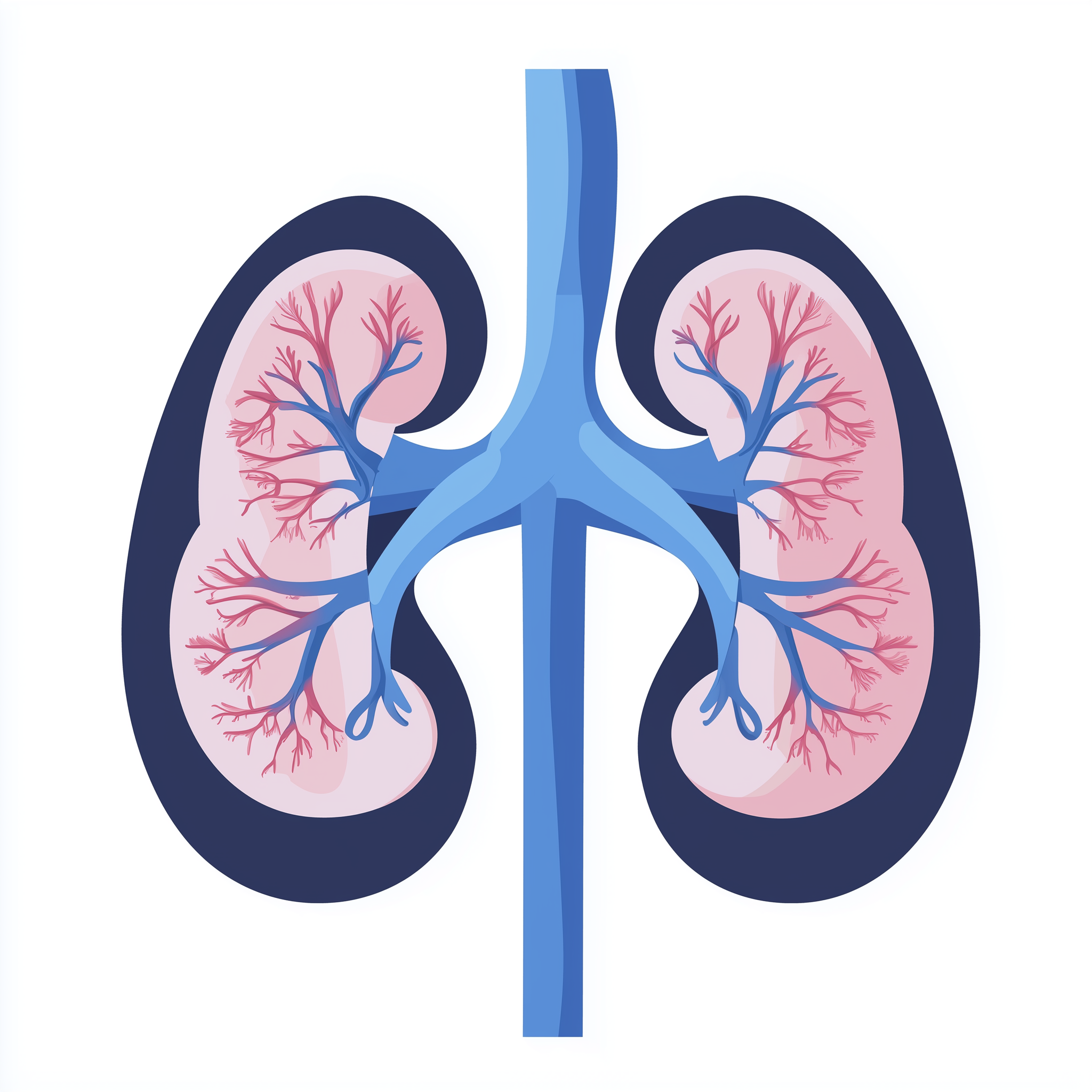
Kidney involvement is a significant concern for some individuals with NPS. This can manifest as proteinuria (excess protein in the urine), haematuria (blood in the urine), or, in more severe cases, chronic kidney disease that may progress to kidney failure. Rarely, individuals may also experience eye abnormalities, such as glaucoma, which can affect vision [PMID:33600570].

Risks & severity
The severity of Nail-patella syndrome can vary greatly, even among individuals within the same family. While some people experience only mild nail changes, others may have more pronounced skeletal issues or significant kidney disease. The risk of developing kidney problems is variable, with some research suggesting that up to 30-50% of individuals with NPS may develop kidney disease, and about 5-10% of these may progress to end-stage renal disease [PMID:20301322].
Symptoms are typically present from birth, with nail abnormalities often noticeable early in life. Skeletal issues like kneecap dislocation or elbow limitation may become more apparent as a child becomes mobile. Kidney involvement can develop at any age, and regular monitoring is important to detect changes early.
Genetic causes
Nail-patella syndrome is caused by pathogenic variants in the LMX1B gene. This gene provides instructions for making a protein that acts as a transcription factor. Transcription factors are proteins that bind to specific regions of DNA and help control the activity of other genes.
The LMX1B protein is crucial for the normal development of various body parts during embryonic growth, including the limbs, kidneys, and eyes. When a pathogenic variant occurs in the LMX1B gene, the resulting protein may be non-functional or have reduced function, disrupting these developmental processes. This disruption leads to the characteristic features of Nail-patella syndrome by affecting how cells and tissues form correctly [PMID:33600570].
- LMX1B LIM homeobox transcription factor 1 beta
Inheritance pattern
Nail-patella syndrome is inherited in an autosomal dominant pattern. This means that a person only needs to inherit one copy of the altered LMX1B gene from either parent to develop the condition. If one parent has NPS, there is a 50% chance with each pregnancy that their child will also inherit the condition.
The condition can also arise from a new (de novo) genetic change in individuals with no family history of NPS. This occurs when a genetic variant happens for the first time in an individual's egg or sperm cell, or very early in the developing embryo. Family members of an affected individual can discuss inheritance patterns and risks with a genetic counsellor.
Each child has a 50% chance of inheriting the pathogenic variant, regardless of sex.
Diagnosis & testing
Diagnosis of Nail-patella syndrome is often initiated based on clinical examination, noting the characteristic nail and skeletal abnormalities. The presence of iliac horns on X-ray can also be a strong indicator. Confirmation of the diagnosis is typically achieved through genetic testing, which looks for pathogenic variants in the LMX1B gene.
In the UK, genetic testing for NPS (R-code R115, inherited kidney disease) is available through the NHS Genomic Medicine Service. Referrals for testing are usually made by a clinical geneticist, nephrologist, or orthopaedic specialist, especially when a diagnosis is suspected based on the clinical features or a family history of the condition. Genetic counselling is often offered alongside testing to explain the implications of the results.
Management & lifestyle
Management of Nail-patella syndrome is focused on addressing specific symptoms and monitoring for potential complications. For skeletal issues, orthopaedic management may be necessary for dislocated kneecaps or elbow limitations. Physical therapy can also help improve joint function and strength. Pain management strategies may be employed for joint discomfort.
Regular monitoring of kidney function is crucial, usually involving urine tests to check for protein and blood, and blood tests to assess overall kidney health. If kidney disease progresses, a nephrologist will provide specialised care, which may include medication to control blood pressure or, in severe cases, dialysis or kidney transplantation. Individuals with NPS should be aware of a potential increased risk of glaucoma and may benefit from regular eye examinations. Genetic counsellors can help individuals and families understand the condition and navigate appropriate care pathways within the NHS.
UK care pathway
In the UK, individuals suspected of having Nail-patella syndrome can access diagnosis and management through the NHS Genomic Medicine Service. A referral to a clinical geneticist or a specialist (such as a nephrologist or orthopaedic surgeon) is typically the first step. Genetic testing for inherited kidney diseases, which includes NPS, falls under specific NHS R-codes, ensuring access to appropriate diagnostic pathways.
Following a confirmed diagnosis, individuals are generally supported by a multidisciplinary team. This team may include genetic counsellors who provide information and support about the genetic aspects of the condition, its inheritance, and implications for family planning. Care is tailored to address the individual's specific symptoms, following established NHS guidelines.
Frequently asked questions
Is Nail-patella syndrome always inherited from a parent?
Nail-patella syndrome is often inherited in an autosomal dominant pattern, meaning a child can inherit it from an affected parent. However, in some cases, the condition can arise spontaneously from a new genetic change, meaning neither parent has the condition themselves.
What kind of doctors treat Nail-patella syndrome?
Management of Nail-patella syndrome typically involves several specialists. These may include clinical geneticists, orthopaedic surgeons for bone and joint issues, nephrologists for kidney care, and occasionally ophthalmologists for eye concerns. A GP usually coordinates care.
Are the kidney problems always severe in Nail-patella syndrome?
No, kidney involvement in Nail-patella syndrome varies significantly. Some individuals may only have mild protein in their urine, while others can develop more severe kidney disease that may eventually require dialysis or a kidney transplant. Regular monitoring helps detect any changes early.
Can Nail-patella syndrome affect a person's daily life?
Yes, depending on the severity of symptoms, Nail-patella syndrome can affect daily life. Skeletal issues might cause pain or limit joint movement, and severe kidney problems can have a significant impact on health and wellbeing. However, many individuals lead full and active lives with appropriate management.
Are there any specific dietary recommendations for Nail-patella syndrome?
There are no universal dietary recommendations specifically for Nail-patella syndrome. However, if kidney function is affected, a nephrologist or renal dietitian may recommend a specialised diet to help manage kidney health, such as limiting salt, protein, or certain minerals.
References
- Witzgall R. Nail-patella syndrome. Pflugers Archiv : European journal of physiology. 2017. PMID: 28681095
- Lovelace PD, May LA. Nail-Patella Syndrome. 2023. PMID: 32644616
- Adam MP, Bick S, Mirzaa GM. Nail-Patella Syndrome. 1993. PMID: 20301311
- Barsoum Z. Nail-patella syndrome. Sudanese journal of paediatrics. 2023. PMID: 38380405
- Nahmani L, Fitoussi F. Congenital nail abnormalities. Hand surgery & rehabilitation. 2024. PMID: 38879228
- Wendling D, Obert L, Delbosc B. Nail patella syndrome. Joint bone spine. 2021. PMID: 33486106
- Li J, Song Y, Yu J. Nail-patella syndrome. The British journal of dermatology. 2026. PMID: 42227193
- Kundu ZS, Siwach RC. Nail-patella syndrome. The Indian journal of medical research. 2018. PMID: 30168496