

On this page
Myotonic dystrophy type 1
Myotonic dystrophy type 1 is a genetic disorder primarily affecting muscles, leading to progressive weakness and difficulty relaxing muscles. It can also impact the heart, eyes, brain, and endocrine system, typically manifesting in adulthood but with forms presenting earlier in life.
Overview
Myotonic dystrophy type 1 (DM1), also known as Steinert's disease, is the most common form of muscular dystrophy that affects adults [PMID:31541457]. It is a progressive condition, meaning symptoms tend to worsen over time. Beyond muscle weakness, individuals with DM1 often experience myotonia, which is a prolonged contraction of muscles that can make it difficult to release a grip, for example. DM1 is considered a multi-system disorder because it can affect many different parts of the body, including the heart, eyes, and brain [PMID:31541457].
The severity and age of onset for DM1 can vary significantly, even within the same family. There are generally three forms: congenital, childhood, and adult-onset. The adult-onset form is the most common, while congenital DM1 is often the most severe, presenting at birth or shortly after.
Symptoms & clinical features
The symptoms of myotonic dystrophy type 1 can vary widely among affected individuals. Muscle-related symptoms often include progressive weakness and wasting, especially in the facial muscles, neck, forearms, hands, and lower legs. Myotonia, or the inability to relax muscles promptly after contraction, is a hallmark symptom; for example, a person might struggle to release their hand after gripping an object [PMID:31541457]. This can also affect other muscles, such as those used for chewing and swallowing.
Beyond muscles, DM1 can lead to a range of other health issues. Cataracts (clouding of the eye lens) are very common and can affect vision. Heart problems, including abnormal heart rhythms (arrhythmias) and weakness of the heart muscle, are also a significant concern. Other potential symptoms include excessive daytime sleepiness, problems with digestion, and endocrine issues like insulin resistance. In congenital DM1, babies may have severe muscle weakness, feeding difficulties, and breathing problems.
Video: Genetics 101
Affected organs
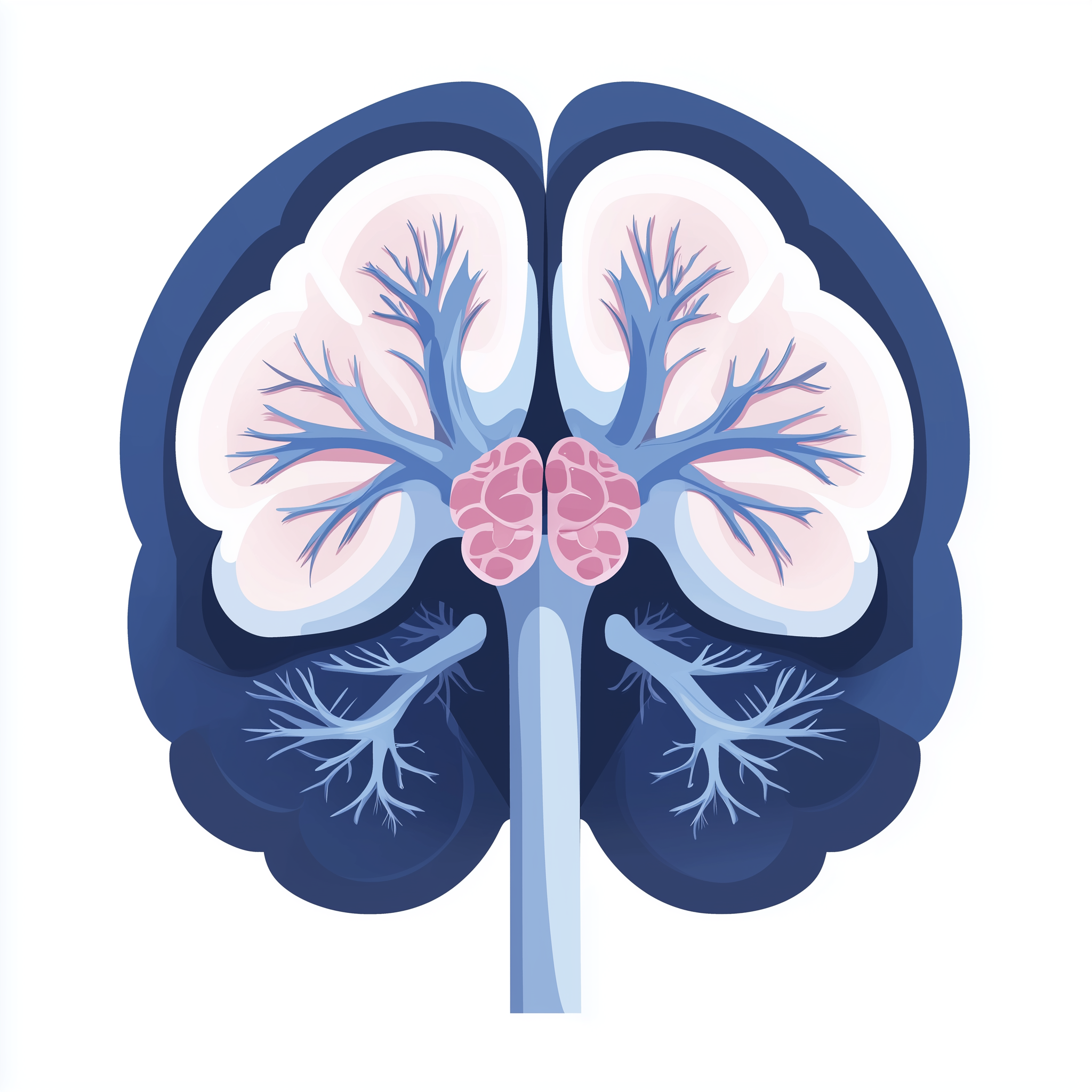
Myotonic dystrophy type 1 is a multi-system condition, meaning it can affect various organs and tissues throughout the body. The primary impact is on the skeletal muscles, leading to weakness and myotonia. The heart can also be significantly affected, with potential for rhythm disturbances and a weakened heart muscle (cardiomyopathy). The eyes are frequently involved, commonly developing cataracts.
Other body systems that can be affected include the central nervous system, leading to cognitive difficulties, personality changes, and excessive daytime sleepiness. The endocrine system may also be involved, potentially causing issues such as insulin resistance or thyroid problems. The gastrointestinal system can experience problems like difficulty swallowing or constipation, and there may be effects on the skin and reproductive organs.

Risks & severity
The severity of myotonic dystrophy type 1 can range from mild to severe, and symptoms can appear at any age. The adult-onset form typically begins in early adulthood, characterised by progressive muscle weakness and myotonia, often alongside cataracts, heart conduction defects, and excessive daytime sleepiness. The childhood-onset form usually presents with learning difficulties and attention problems, with muscle symptoms appearing later.
The most severe form is congenital DM1, which is present from birth. Infants with congenital DM1 often have profound muscle weakness, respiratory difficulties, feeding problems, and intellectual disability, and there is a higher risk of early mortality. The risk of developing certain complications, such as cardiac arrhythmias, increases with age and disease progression. Regular monitoring for these issues is an important part of managing the condition.
Genetic causes
Myotonic dystrophy type 1 is caused by an expansion of a specific DNA sequence in the *DMPK* gene. This gene provides instructions for making a protein called myotonin protein kinase, which is thought to play a role in communication within cells and maintaining muscle function. In individuals with DM1, a three-letter DNA sequence (CTG) is repeated too many times within the *DMPK* gene. Normally, this CTG sequence is repeated between 5 and 34 times.
In DM1, the number of CTG repeats is significantly increased; for instance, the adult-onset form typically involves 50 to more than 1,000 repeats [PMID:31541457]. The expanded repeat interferes with the normal production and function of the *DMPK* protein. It also leads to the production of an abnormal RNA molecule that 'traps' other important proteins within the cell nucleus, disrupting the function of many other genes and leading to the diverse symptoms seen in DM1 [PMID:24814144]. Generally, a larger number of CTG repeats is associated with an earlier onset and more severe symptoms.
- DMPK DM1 protein kinase
Inheritance pattern
Myotonic dystrophy type 1 is inherited in an autosomal dominant pattern. This means that only one copy of the altered *DMPK* gene in each cell is sufficient to cause the condition. If a parent has DM1, there is a 50% chance with each pregnancy that their child will inherit the altered gene and develop the condition. This pattern applies equally to sons and daughters.
An interesting feature of DM1 inheritance is 'anticipation', where successive generations tend to develop symptoms at an earlier age and often with increased severity. This is because the CTG repeat expansion can sometimes increase in length when passed from parent to child. The most significant increases in repeat length, leading to congenital DM1, typically occur when the gene is inherited from the mother.
Each child has a 50% chance of inheriting the pathogenic variant, regardless of sex.
Diagnosis & testing
A diagnosis of myotonic dystrophy type 1 is typically suspected based on characteristic clinical signs and symptoms. This might include muscle weakness, myotonia, cataracts, and other multi-system involvement. Clinical assessment by a neurologist or a geneticist is key to identifying potential cases. Further investigations, such as electromyography (EMG) to assess muscle electrical activity, may also be used to support a clinical suspicion.
The definitive diagnosis of DM1 is confirmed through genetic testing. This testing specifically looks for the expanded CTG repeat in the *DMPK* gene. In the UK, genetic testing for DM1 is available through the NHS Genomic Medicine Service (GMS) via an appropriate clinical referral, for example, from a neurologist or a clinical genetics service. This testing is covered by the R-code R115 Myotonic dystrophy (DM1 and DM2). Genetic counselling is often offered before and after testing to discuss the implications for the individual and their family.
Management & lifestyle
While there is currently no cure for myotonic dystrophy type 1, management focuses on alleviating symptoms, preventing complications, and improving quality of life. A multidisciplinary team, often involving neurologists, cardiologists, ophthalmologists, endocrinologists, physiotherapists, and occupational therapists, typically provides care. Regular monitoring is crucial, especially for cardiac issues, which may require pacemaker implantation to manage arrhythmias.
Physical therapy and occupational therapy can help manage muscle weakness and improve mobility. Myotonia can sometimes be managed with medication, although treatment decisions are individualised. Cataracts are generally treated with surgery. Individuals with DM1 are advised to discuss appropriate exercise with their care team. Support groups and genetic counselling services can also provide valuable resources and support for affected individuals and their families.
UK care pathway
In the UK, individuals suspected of having myotonic dystrophy type 1 would typically be referred by their GP or another specialist (e.g., a neurologist) to a clinical genetics service or a specialist neuromuscular centre. These services can confirm the diagnosis through genetic testing, which is part of the NHS Genomic Medicine Service (GMS) and is offered under specific R-codes, such as R115 for myotonic dystrophy. Genetic counsellors play a vital role in explaining the condition, inheritance patterns, and testing options, as well as providing support. Management involves a coordinated approach from various specialists within the NHS, tailored to the individual's specific needs.
Frequently asked questions
What is myotonia?
Myotonia is a key feature of myotonic dystrophy. It refers to the prolonged contraction of a muscle, making it difficult to relax after voluntary effort. For instance, a person might find it hard to release their grip after shaking hands or opening a door.
Can myotonic dystrophy type 1 be passed on to children?
Yes, myotonic dystrophy type 1 is an autosomal dominant condition, meaning a child has a 50% chance of inheriting the condition if one parent is affected. The severity can sometimes be greater in later generations due to a phenomenon called anticipation.
Is there a cure for myotonic dystrophy type 1?
Currently, there is no cure for myotonic dystrophy type 1. Treatment focuses on managing symptoms, preventing complications, and improving quality of life through a multidisciplinary approach, including physiotherapy, medication, and regular medical monitoring.
How is myotonic dystrophy type 1 diagnosed?
Diagnosis is initially based on clinical symptoms and a medical history, often followed by neurological examination. A definitive diagnosis is made through a genetic test that identifies the specific repeat expansion in the *DMPK* gene.
Are there different types of myotonic dystrophy?
Yes, the two main types are Myotonic Dystrophy Type 1 (DM1) and Myotonic Dystrophy Type 2 (DM2). While both involve myotonia and muscle weakness, they are caused by different genetic changes and can have some differences in their clinical presentation and affected muscle groups.
References
- Hartman J, Patki T, Johnson NE. Diagnosis and Management of Myotonic Dystrophy Type 1. JAMA. 2024. PMID: 38466298
- Kuntawala DH, Vitorino R, Cruz AC. Multisystem Symptoms in Myotonic Dystrophy Type 1: A Management and Therapeutic Perspective. International journal of molecular sciences. 2025. PMID: 40508159
- Ashizawa T, Gagnon C, Groh WJ. Consensus-based care recommendations for adults with myotonic dystrophy type 1. Neurology. Clinical practice. 2018. PMID: 30588381
- Gutiérrez Gutiérrez G, Díaz-Manera J, Almendrote M. Clinical guide for the diagnosis and follow-up of myotonic dystrophy type 1, MD1 or Steinert's disease. Neurologia. 2020. PMID: 31003788
- Wheeler MT. Repeats and Survival in Myotonic Dystrophy Type 1. Circulation. Cardiovascular genetics. 2017. PMID: 28611033
- Mateus T, Martins F, Nunes A. Metabolic Alterations in Myotonic Dystrophy Type 1 and Their Correlation with Lipin. International journal of environmental research and public health. 2021. PMID: 33673200
- Pascual-Gilabert M, Artero R, López-Castel A. The myotonic dystrophy type 1 drug development pipeline: 2022 edition. Drug discovery today. 2023. PMID: 36634841
- García-Puga M, Saenz-Antoñanzas A, Matheu A. Targeting Myotonic Dystrophy Type 1 with Metformin. International journal of molecular sciences. 2022. PMID: 35270043