

On this page
Myotonia congenita (Becker, recessive)
This inherited muscle disorder results in myotonia, where muscles struggle to relax after contraction. It typically presents in childhood or adolescence, impacting daily activities due to muscle stiffness and weakness, and is caused by changes in the CLCN1 gene.
Available at Jeen Health
Clinical tests that include this
Overview
Myotonia congenita (Becker type) is a form of myotonia congenita, a group of inherited conditions that cause muscle stiffness. Individuals with this condition experience prolonged muscle contractions, meaning their muscles can't relax quickly after they've been used. This can lead to stiffness and difficulty with movement [PMID:33678096]. The Becker type is typically inherited in an autosomal recessive pattern, distinguishing it from the dominant Thomsen type, although both are caused by changes in the same gene. Symptoms usually become noticeable during childhood or adolescence.
Symptoms & clinical features
The main symptom of Myotonia congenita (Becker type) is myotonia, which is a delay in muscle relaxation. This can cause stiffness and difficulty performing everyday movements, particularly after a period of rest or during sudden movements. For example, individuals might find it hard to release their grip after shaking hands or struggle with initial movements after sitting for a while. The stiffness can also affect muscles in the face, tongue, or jaw, potentially impacting speech or swallowing [PMID:24810237].
While muscle stiffness is the primary feature, some individuals with Becker myotonia may also experience episodes of temporary muscle weakness, especially after sustained activity or exposure to cold. Unlike some other muscle conditions, myotonia congenita does not typically lead to progressive muscle wasting or severe weakness, though the symptoms can vary in severity between individuals.
Video: Genetics 101
Affected organs
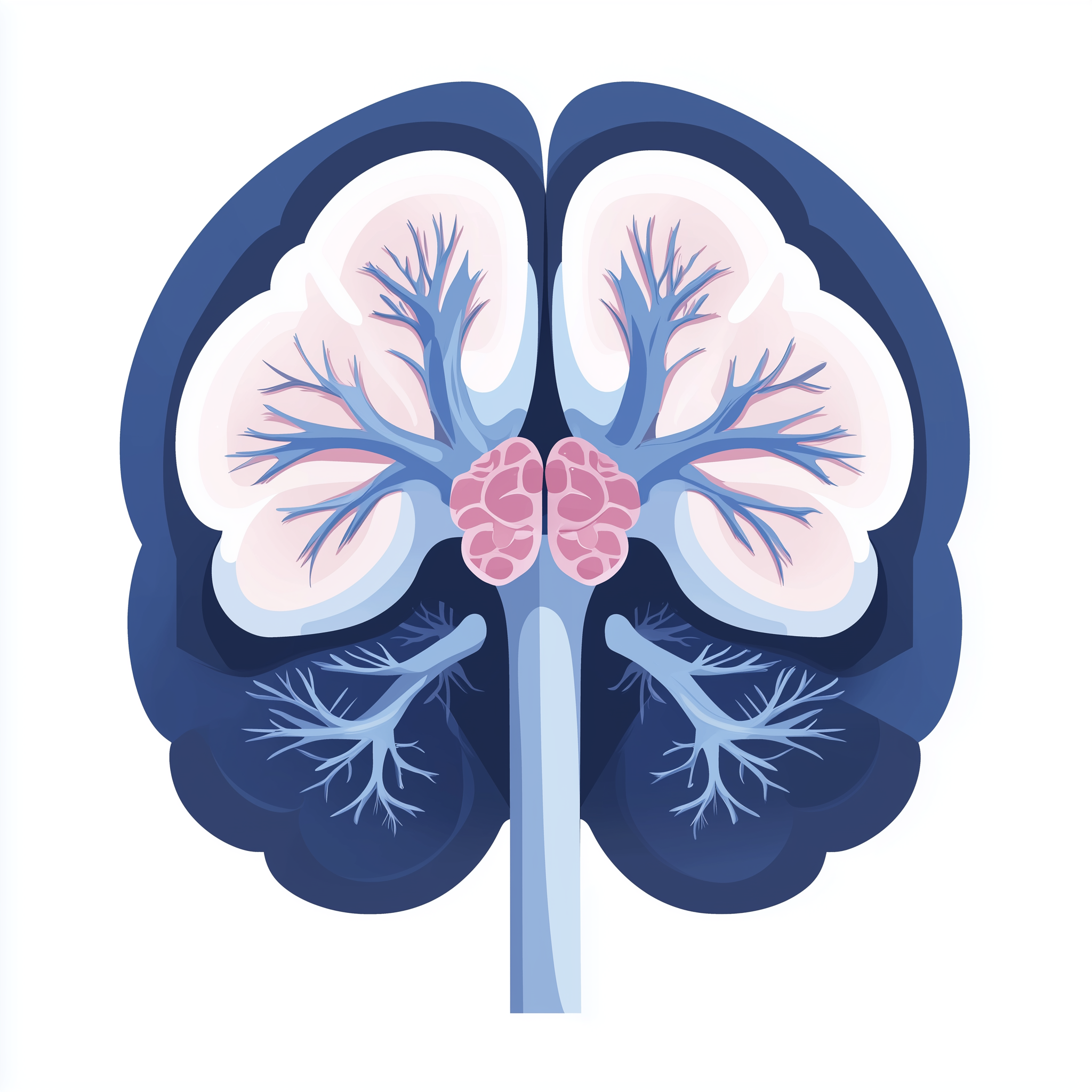
Myotonia congenita (Becker type) primarily affects the skeletal muscles, which are the muscles responsible for voluntary movement throughout the body. These include muscles in the limbs, trunk, face, and neck. The heart muscle (cardiac muscle) and the muscles of internal organs (smooth muscle) are generally not affected by this condition, meaning heart function and organ systems usually remain normal. The impact is specifically on the electrical activity within skeletal muscle cells.
Risks & severity
The severity of Myotonia congenita (Becker type) can vary widely, even within the same family. Symptoms generally appear in childhood or adolescence, often before the age of 10, though they can sometimes manifest later [PMID:24810237]. While the condition is not typically life-threatening, the muscle stiffness and weakness can significantly impact quality of life, making some physical activities challenging. The myotonia tends to be more widespread and severe than in the Thomsen type of myotonia congenita.
Cold temperatures and rest can worsen myotonia, while repeated muscle activity, often referred to as a 'warm-up' phenomenon, can temporarily reduce stiffness. Although the condition does not typically cause progressive muscle degeneration, some individuals may experience mild, fixed weakness over time, particularly in their legs. The exact prevalence of Myotonia congenita (Becker type) is not well established, but it is considered a rare condition.
Genetic causes
Myotonia congenita (Becker type) is caused by pathogenic variants in the CLCN1 gene. This gene provides instructions for making a protein called ClC-1, which functions as a chloride channel. Chloride channels are essential for regulating the electrical charge of skeletal muscle cells.
Specifically, the ClC-1 channel helps to stabilise the electrical potential across the muscle cell membrane, allowing muscles to relax efficiently after contraction. When there are pathogenic changes in the CLCN1 gene, the ClC-1 channels do not function correctly. This faulty channel activity disrupts the normal electrical balance in muscle cells, leading to delayed muscle relaxation and the characteristic stiffness seen in myotonia [PMID:33678096].
- CLCN1 chloride voltage-gated channel 1The CLCN1 gene provides instructions for creating chloride channels, crucial for the proper electrical signalling and relaxation of skeletal muscles.
Inheritance pattern
Myotonia congenita (Becker type) is inherited in an autosomal recessive pattern. This means that an individual must inherit two altered copies of the CLCN1 gene - one from each parent - to develop the condition. People who inherit only one altered copy of the CLCN1 gene are called carriers. Carriers typically do not show symptoms of the condition themselves but can pass the altered gene copy on to their children.
If both parents are carriers of a pathogenic variant in the CLCN1 gene, there is a 25% (1 in 4) chance with each pregnancy that their child will inherit two altered gene copies and develop Myotonia congenita (Becker type). There is a 50% (1 in 2) chance that their child will be a carrier, and a 25% (1 in 4) chance that their child will inherit two working copies of the gene and not be affected or a carrier.
When both parents are carriers, each child has a 25% chance of being affected, 50% of being a carrier, and 25% of being unaffected.
Diagnosis & testing
A diagnosis of Myotonia congenita (Becker type) is usually suspected based on clinical symptoms, such as muscle stiffness and difficulty relaxing muscles. A doctor may perform a physical examination to assess muscle function and look for the 'warm-up' phenomenon. Electromyography (EMG), which measures the electrical activity of muscles, can help to identify the characteristic myotonic discharges.
Confirmation of the diagnosis typically involves genetic testing to identify pathogenic variants in the CLCN1 gene. In the UK, genetic testing for inherited muscle disorders, including Myotonia congenita, is available through the NHS Genomic Medicine Service. Referrals for genetic testing are usually made by a neurologist or a clinical geneticist. The relevant NHS Genomic Medicine Service R-code for testing for Myotonia congenita is R157 (Neuromuscular disorders).
Management & lifestyle
While there is currently no cure for Myotonia congenita (Becker type), management focuses on alleviating symptoms and improving quality of life. Treatment strategies often involve medication to reduce muscle stiffness and improve muscle relaxation. Commonly used medications include sodium channel blockers, which can help to stabilise the electrical activity in muscle cells.
Regular, gentle physical activity can also be beneficial, as it can help with the 'warm-up' phenomenon and maintain muscle flexibility. Avoiding triggers like cold exposure or sudden movements may also help some individuals. Management plans are individualised and developed in consultation with a neurologist or other specialists within the NHS care pathway. Genetic counselling is also important to help individuals and families understand the condition, its inheritance, and implications for family planning.
UK care pathway
In the UK, individuals suspected of having a genetic muscle condition like Myotonia congenita (Becker type) will typically be referred through their GP to a specialist, such as a neurologist or a clinical geneticist. These specialists can assess symptoms, arrange diagnostic tests, including genetic testing under NHS Genomic Medicine Service R-codes (e.g., R157 for Neuromuscular disorders), and provide ongoing care. Genetic counsellors are also available to support patients and families, offering information about inheritance patterns, genetic testing results, and family planning options.
Frequently asked questions
What does 'autosomal recessive' inheritance mean for Myotonia congenita (Becker type)?
Autosomal recessive means a person needs to inherit two altered copies of the CLCN1 gene - one from each parent - to develop the condition. If you only have one altered copy, you are a carrier and usually don't have symptoms, but you could pass it on to your children.
Will Myotonia congenita (Becker type) get worse over time?
Myotonia congenita (Becker type) is generally not a progressive condition that worsens significantly over time. While symptoms can fluctuate, it doesn't typically lead to severe muscle wasting or major disability. Some individuals might experience mild, fixed weakness in later life.
Are there any specific activities I should avoid if I have Myotonia congenita (Becker type)?
It's often helpful to avoid sudden strenuous movements or prolonged exposure to cold, as these can trigger or worsen muscle stiffness. However, regular, gentle physical activity can often help. Your doctor or physiotherapist can provide personalised advice on suitable activities.
Can Myotonia congenita (Becker type) affect other parts of my body, like my heart?
Myotonia congenita (Becker type) specifically affects skeletal muscles, which are the muscles you control voluntarily. It does not typically affect heart muscle (cardiac muscle) or the muscles of internal organs, so heart function and other organ systems are generally not impacted.
How is Myotonia congenita (Becker type) diagnosed in the UK?
Diagnosis in the UK usually starts with a clinical assessment by a specialist like a neurologist, followed by an EMG test to check muscle electrical activity. Confirmation is typically made through genetic testing, which identifies changes in the CLCN1 gene, accessed via the NHS Genomic Medicine Service.