

On this page
Myofibrillar myopathy (ZASP/LDB3)
This condition primarily affects skeletal muscles, leading to weakness and sometimes difficulty walking or performing daily activities. It is caused by genetic changes in the LDB3 gene and typically manifests in adulthood.
Overview
Myofibrillar myopathy (ZASP/LDB3) is a type of muscular dystrophy that affects the structural components of muscle cells, specifically the myofibrils. Myofibrils are essential for muscle contraction and strength. In this condition, these structures progressively break down and accumulate abnormal protein deposits, leading to muscle weakness and wasting over time [PMID:19424683].
This is a rare condition, and its exact prevalence is not well established. Symptoms often begin in adulthood, though the age of onset can vary. The disease course is typically progressive, meaning symptoms may worsen over years. It can affect various skeletal muscles throughout the body.
Symptoms & clinical features
The primary symptom of myofibrillar myopathy (ZASP/LDB3) is muscle weakness, which can start in the limbs, often affecting muscles closer to the body's trunk (proximal muscles) such as those in the shoulders and hips, or muscles further away (distal muscles) like those in the hands and feet [PMID:19424683]. This weakness can lead to difficulty with activities such as climbing stairs, lifting objects, or walking.
Over time, individuals may experience muscle wasting (atrophy). Some people might also develop problems with balance or experience muscle pain. In some cases, cardiac involvement, affecting the heart muscle, has been reported, though this is less common with LDB3-related myofibrillar myopathy compared to other genetic forms [PMID:16080277]. The severity and progression of symptoms can vary significantly among affected individuals.
Video: Genetics 101
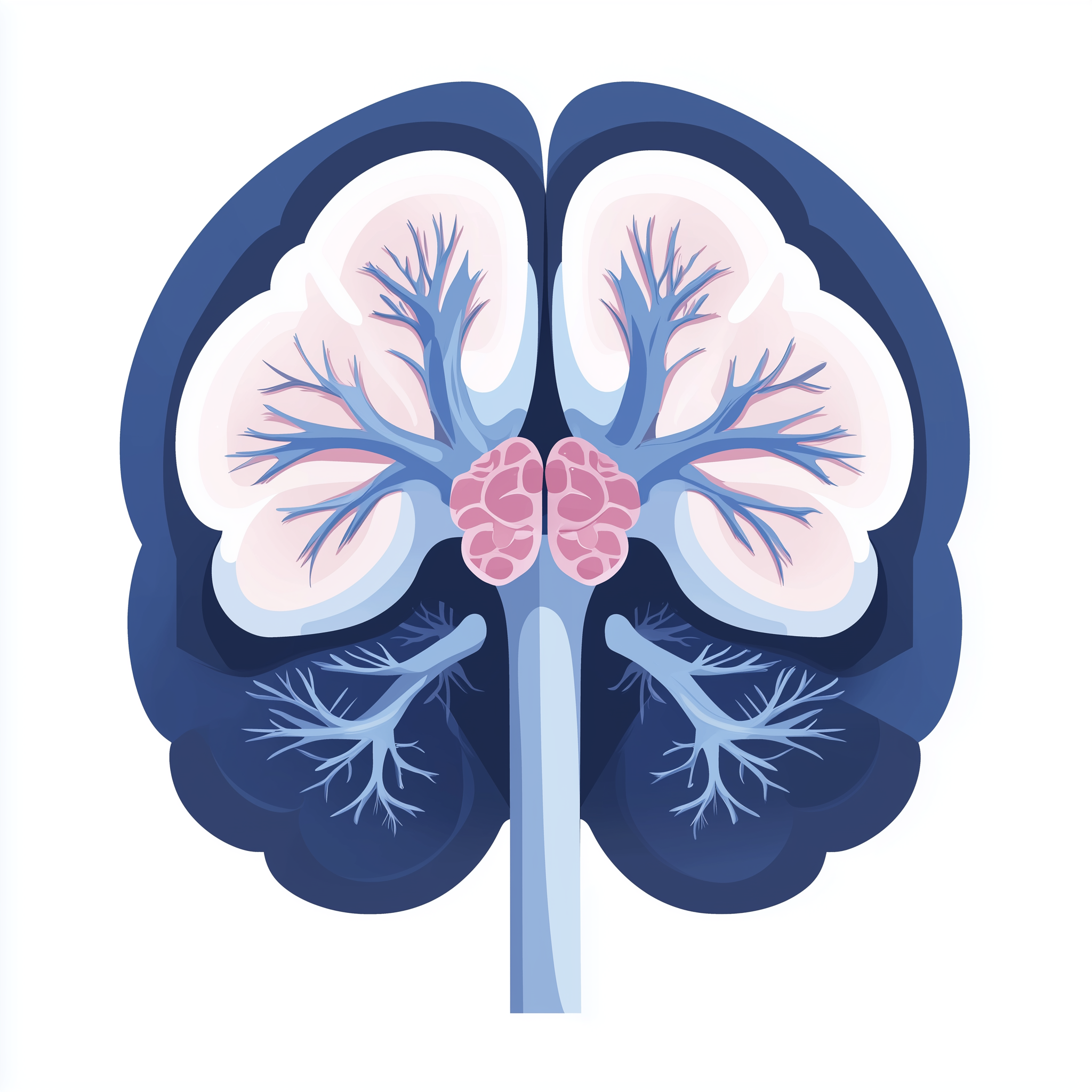
Affected organs
Myofibrillar myopathy (ZASP/LDB3) primarily affects skeletal muscles throughout the body. These are the voluntary muscles responsible for movement, such as those in the arms, legs, and trunk. The condition leads to the degeneration of muscle fibres and the accumulation of abnormal protein aggregates within these muscle cells.
While the main impact is on skeletal muscles, some individuals may also experience cardiac involvement, affecting the heart muscle. This can manifest as cardiomyopathy, which is a disease of the heart muscle that makes it harder for the heart to pump blood to the rest of the body. Regular monitoring for cardiac function may be recommended for affected individuals.

Risks & severity
Myofibrillar myopathy (ZASP/LDB3) is a progressive condition, meaning symptoms generally worsen over time, though the rate of progression varies considerably between individuals. The age of onset typically ranges from early adulthood to later life, with some individuals not experiencing symptoms until their 50s or 60s.
The severity of muscle weakness can range from mild, causing only minor limitations, to more severe, significantly impacting mobility and daily activities. While the condition can lead to considerable physical challenges, it is generally not considered immediately life-threatening. However, potential cardiac involvement, if present, requires careful monitoring and management to prevent complications.
Genetic causes
Myofibrillar myopathy (ZASP/LDB3) is caused by pathogenic variants in the LDB3 gene (also known as ZASP). This gene provides instructions for making a protein called Z-band alternatively spliced PDZ-motif-containing protein, or ZASP. This protein is a crucial component of the Z-disc, a structure within muscle cells that helps organise the muscle fibres and transmits force during muscle contraction.
Pathogenic variants in LDB3 can disrupt the normal function of the ZASP protein. This disruption can lead to the instability and breakdown of the Z-discs, causing the myofibrils to degenerate and abnormal protein aggregates to accumulate within the muscle cells [PMID:16080277]. These cellular changes ultimately impair muscle function and lead to the progressive muscle weakness characteristic of the condition.
- LDB3 LIM domain binding 3
Inheritance pattern
Myofibrillar myopathy (ZASP/LDB3) is inherited in an autosomal dominant pattern. This means that only one copy of an altered LDB3 gene in each cell is sufficient to cause the condition. An affected individual has a 50% chance of passing on the pathogenic variant to each child, regardless of the child's sex.
In some cases, a new (de novo) pathogenic variant can occur in an individual who has no family history of the condition. If a person is diagnosed with an autosomal dominant condition, their close relatives may also be at risk of being affected or carrying the genetic change. Genetic counselling can help families understand the inheritance pattern and implications for future generations.
Each child has a 50% chance of inheriting the pathogenic variant, regardless of sex.
Diagnosis & testing
Diagnosis of myofibrillar myopathy (ZASP/LDB3) often begins with a clinical assessment of muscle weakness and other symptoms. Further investigations may include muscle biopsies, which can reveal characteristic abnormalities such as myofibrillar degeneration and protein aggregates. Electromyography (EMG) and nerve conduction studies may also be performed to assess muscle and nerve function.
Confirmation of the diagnosis typically relies on genetic testing to identify a pathogenic variant in the LDB3 gene. In the UK, individuals suspected of having an inherited muscle condition may be referred to a clinical genetics service. Genetic testing for inherited myopathies is available through the NHS Genomic Medicine Service, often guided by specific R-codes such as R421 Inherited Neuromuscular Disorders. A referral from a specialist, such as a neurologist or clinical geneticist, is usually required.
Management & lifestyle
There is currently no cure for myofibrillar myopathy (ZASP/LDB3), so management focuses on alleviating symptoms and maintaining quality of life. Physiotherapy and occupational therapy can help preserve muscle function, improve mobility, and provide strategies for managing daily activities. Assistive devices, such as walking aids, may be recommended as needed.
Regular monitoring of cardiac function, including echocardiograms, may be advised, particularly if there is any indication of heart involvement. Patients are typically managed by a multidisciplinary team, which may include neurologists, physiotherapists, occupational therapists, and cardiologists. Lifestyle adjustments, such as maintaining a healthy weight and avoiding excessive muscle strain, may also be beneficial.
UK care pathway
In the UK, individuals with suspected myofibrillar myopathy (ZASP/LDB3) would typically be referred by their GP or a specialist to a regional Clinical Genetics service or a specialist neuromuscular centre. These services can arrange for appropriate diagnostic tests, including genetic testing through the NHS Genomic Medicine Service. The testing for inherited neuromuscular disorders is typically covered under NHS National Genomic Test Directory R-codes, such as R421 for Inherited Neuromuscular Disorders.
Following diagnosis, patients are often managed by a multidisciplinary team within the NHS, which may include neurologists, physiotherapists, and genetic counsellors. Genetic counsellors play a crucial role in helping individuals and families understand the condition, its inheritance pattern, and implications for family planning.
Frequently asked questions
What is the typical age of onset for myofibrillar myopathy (ZASP/LDB3)?
Symptoms of myofibrillar myopathy (ZASP/LDB3) generally begin in adulthood, often between the ages of 20 and 60, but the exact age can vary significantly among affected individuals.
Is myofibrillar myopathy (ZASP/LDB3) always inherited from a parent?
Myofibrillar myopathy (ZASP/LDB3) is inherited in an autosomal dominant pattern. While it is often passed down from an affected parent, new (de novo) genetic changes can sometimes occur, meaning an individual might be the first in their family to have the condition.
Can myofibrillar myopathy (ZASP/LDB3) affect the heart?
While primarily affecting skeletal muscles, some individuals with myofibrillar myopathy (ZASP/LDB3) may develop cardiac involvement, such as cardiomyopathy. Regular monitoring of heart function is often part of the management plan.
What kind of specialists treat myofibrillar myopathy (ZASP/LDB3) in the UK?
In the UK, individuals with myofibrillar myopathy (ZASP/LDB3) are typically managed by a multidisciplinary team. This may include neurologists, physiotherapists, occupational therapists, cardiologists, and genetic counsellors, often within NHS specialist neuromuscular centres.
What does the LDB3 gene do normally?
The LDB3 gene provides instructions for making the ZASP protein, which is vital for the structure and function of the Z-disc within muscle cells. The Z-disc helps organise muscle fibres and transmits force during muscle contraction.