

On this page
Mucolipidosis IV
This inherited disorder primarily impacts the nervous system and eyes, leading to developmental delays, intellectual disability, and significant vision problems. It is caused by changes in the MCOLN1 gene.
Available at Jeen Health
Clinical tests that include this
Overview
Mucolipidosis IV (MLIV) is a very rare inherited metabolic disorder, falling into a group of conditions known as lysosomal storage disorders. Lysosomes are like the recycling centres of our cells, responsible for breaking down and recycling various molecules. In MLIV, these recycling centres do not work correctly, leading to a build-up of fats (lipids) and other materials within cells, particularly in the brain, eyes, and other tissues [PMID:12407429]. This accumulation disrupts normal cell function and can lead to progressive symptoms affecting several body systems.
MLIV is an autosomal recessive condition, meaning an individual must inherit two altered copies of the causative gene, one from each parent, to develop the condition. While MLIV is extremely rare globally, it is more commonly found in individuals of Ashkenazi Jewish descent, where the prevalence is estimated to be around 1 in 40,000 live births [PMID:17912258].
Symptoms & clinical features
The symptoms of Mucolipidosis IV typically begin in infancy and progress over time. Common features include significant developmental delay, often becoming noticeable in the first year of life. Children with MLIV usually experience delays in reaching developmental milestones such as sitting, crawling, and walking. They may also develop intellectual disabilities that range from moderate to severe.
Vision problems are a prominent feature of MLIV. These often include clouding of the cornea (the clear outer layer of the eye), which can lead to reduced vision. Other eye issues, such as retinal degeneration, can also occur, further affecting sight. Neurological symptoms can include reduced muscle tone (hypotonia) and sometimes spasticity (muscle stiffness) as the condition progresses. Some individuals may also experience gastrointestinal issues, such as problems with digestion or constipation.
Video: Genetics 101
Affected organs
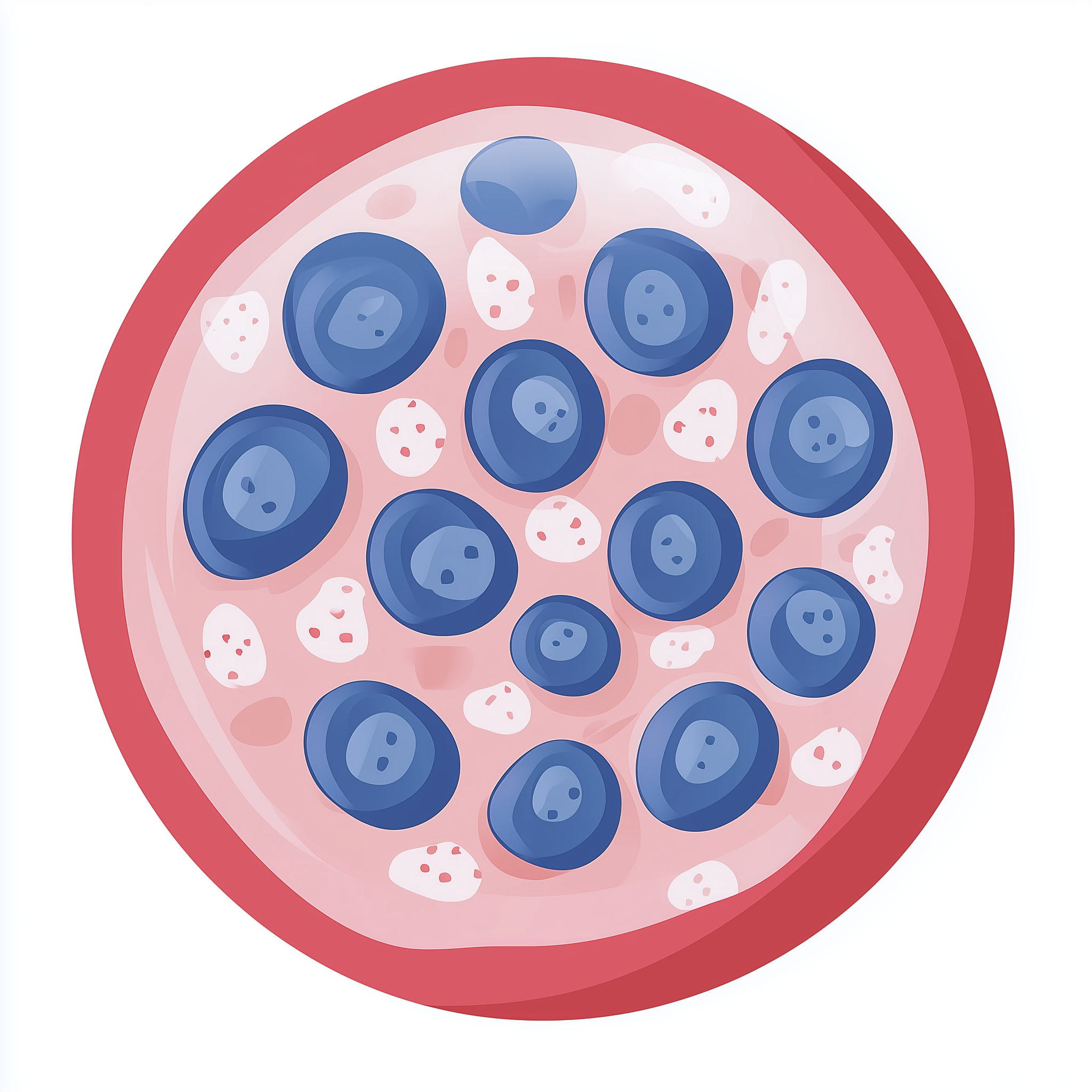
Mucolipidosis IV primarily affects the brain, eyes, and gastrointestinal system. The accumulation of waste materials within cells particularly damages brain cells (neurons), leading to the observed developmental delays and intellectual disability. The retina and cornea of the eyes are also significantly impacted, causing progressive vision impairment and blindness.
Other organs can also be affected to varying degrees. The gastrointestinal tract may show signs of cellular dysfunction, leading to digestive difficulties. In some cases, the kidneys may also be affected. The wide range of affected organs reflects the widespread presence of lysosomes in nearly all body cells, and the critical role they play in cellular health.

Risks & severity
The severity of Mucolipidosis IV can vary, though it is generally considered a severe neurodevelopmental disorder. Symptoms typically become apparent in early infancy and are progressive, meaning they worsen over time. Most affected individuals have significant developmental delays and intellectual disability, with limited motor and speech abilities. Vision loss is also a significant concern, often progressing to severe impairment or blindness.
There is a recognised clinical spectrum of MLIV, ranging from a more classic, severe form with significant neurological and ocular involvement, to rarer atypical or milder forms where developmental delays might be less pronounced or vision loss occurs later. However, even in milder forms, individuals often require substantial support. Life expectancy can be reduced, though some individuals may live into adulthood with appropriate supportive care.
Genetic causes
Mucolipidosis IV is caused by pathogenic variants in the MCOLN1 gene. This gene provides instructions for making a protein called mucolipin-1. Mucolipin-1 is a type of ion channel found primarily in the membranes of lysosomes and endosomes - compartments within cells that are crucial for breaking down and recycling cellular waste products [PMID:16127110].
The mucolipin-1 protein plays a vital role in the movement and trafficking of various substances, including fats (lipids) and proteins, within these cellular recycling pathways. When pathogenic changes occur in the MCOLN1 gene, the mucolipin-1 protein either isn't produced correctly or doesn't function as it should. This leads to the abnormal accumulation of lipids and other materials within lysosomes, disrupting normal cellular processes and causing the wide range of symptoms seen in MLIV.
- MCOLN1 mucolipin TRP cation channel 1The MCOLN1 gene provides instructions for mucolipin-1, a protein crucial for normal lysosomal function and cellular recycling within the body.
Inheritance pattern
Mucolipidosis IV is inherited in an autosomal recessive pattern. This means that for a person to develop the condition, they must inherit two altered copies of the MCOLN1 gene - one from their mother and one from their father. Individuals who inherit only one altered copy of the gene are called carriers. Carriers typically do not show any symptoms of MLIV because their single working copy of the gene is sufficient to produce enough functional mucolipin-1 protein.
If both parents are carriers of a pathogenic MCOLN1 variant, there is a 25% (1 in 4) chance with each pregnancy that their child will inherit two altered copies and therefore be affected by MLIV. There is a 50% (2 in 4) chance the child will be a carrier, and a 25% (1 in 4) chance the child will inherit two working copies of the gene and not be affected and not be a carrier.
When both parents are carriers, each child has a 25% chance of being affected, 50% of being a carrier, and 25% of being unaffected.
Diagnosis & testing
A diagnosis of Mucolipidosis IV is often suspected based on an individual's clinical signs and symptoms, particularly the combination of early-onset developmental delay and progressive vision impairment. Clinical examination, including detailed eye examinations, can help guide the diagnosis. However, a definitive diagnosis requires genetic testing.
Genetic testing for MCOLN1 is available through the NHS Genomic Medicine Service. A referral to a clinical genetics service is usually made by a paediatrician or other specialist to confirm the diagnosis using a blood sample. Genetic testing identifies pathogenic variants in the MCOLN1 gene. The relevant NHS Genomic Medicine Service 'R-code' for mucolipidosis type IV is R61, which covers conditions including mucolipidosis types I-IV. Genetic counselling is an important part of the diagnostic process, providing information and support to families.
Management & lifestyle
Currently, there is no cure for Mucolipidosis IV, and management focuses on providing supportive care to address the symptoms and improve quality of life. A multidisciplinary team of healthcare professionals is typically involved, which may include paediatricians, neurologists, ophthalmologists, physiotherapists, occupational therapists, speech and language therapists, and dieticians.
Treatment strategies often involve therapies to support development, such as physiotherapy for motor skills, occupational therapy for daily living activities, and speech therapy for communication difficulties. Regular ophthalmology appointments are crucial to monitor and manage vision problems, and interventions like special lenses or low-vision aids may be recommended. Nutritional support can be important for individuals experiencing feeding difficulties or gastrointestinal issues. Genetic counselling services can provide ongoing support and information to families, including discussions about future reproductive choices.
UK care pathway
In the UK, individuals suspected of having genetic conditions like Mucolipidosis IV are typically referred through their GP or specialist paediatrician to an NHS Clinical Genetics service. These services provide expert assessment, genetic counselling, and access to genomic testing. Genetic testing for mucolipidosis, including MLIV, falls under the NHS Genomic Medicine Service, with specific 'R-codes' (such as R61) guiding the diagnostic pathway.
Genetic counsellors play a crucial role in explaining the condition, inheritance patterns, and the implications of genetic test results for both the affected individual and their wider family. They can also provide information about support networks and resources.
Frequently asked questions
What is a lysosomal storage disorder?
Lysosomal storage disorders are a group of rare genetic conditions caused by problems with lysosomes, which are like the recycling centres of our cells. When lysosomes don't work correctly, waste materials build up, leading to cell damage and various health problems affecting different parts of the body.
How is Mucolipidosis IV inherited?
Mucolipidosis IV is inherited in an autosomal recessive manner. This means a child needs to inherit two altered copies of the MCOLN1 gene - one from each parent - to develop the condition. Parents who each carry one altered copy are typically unaffected but can pass the condition to their children.
Can Mucolipidosis IV be cured?
Currently, there is no cure for Mucolipidosis IV. Management focuses on supportive care, which includes therapies to help with developmental delays, manage vision problems, and address other symptoms, aiming to improve the individual's quality of life.
What kind of doctors treat Mucolipidosis IV?
Individuals with Mucolipidosis IV are typically cared for by a team of specialists. This may include paediatricians, neurologists for brain and nerve issues, ophthalmologists for eye problems, and various therapists like physiotherapists and speech therapists to help with development.
Is genetic testing available for Mucolipidosis IV?
Yes, genetic testing is available for Mucolipidosis IV through the NHS Genomic Medicine Service. This testing looks for pathogenic variants in the MCOLN1 gene and can confirm a diagnosis. A referral from a specialist to a clinical genetics service is usually needed.