

On this page
Mowat-Wilson syndrome
This syndrome typically presents with distinctive facial features, moderate to severe intellectual disability, and can involve other health problems such as Hirschsprung disease and epilepsy. It affects individuals from birth and requires lifelong management.
Overview
Mowat-Wilson syndrome is a rare genetic disorder that impacts various aspects of development, leading to a range of physical and intellectual challenges. Individuals with this syndrome often have characteristic facial features, including a broad nasal bridge, widely spaced eyes, and prominent ears [PMID:16508920]. The condition can also affect the brain, heart, and digestive system, among other body parts. Because of its wide-ranging effects, Mowat-Wilson syndrome is often diagnosed in infancy or early childhood when developmental delays and specific physical traits become apparent.
While the presentation can vary between individuals, common features include intellectual disability, typically in the moderate to severe range, and significant delays in motor skill development. Many individuals also experience gastrointestinal issues, notably Hirschsprung disease, which affects the large intestine. The syndrome was first described in 1998 by D.R. Mowat and M.J. Wilson [PMID:9545417].
Although it is a rare condition, understanding Mowat-Wilson syndrome is important for early diagnosis and appropriate management. Support for individuals and their families focuses on managing symptoms, developmental therapies, and addressing any associated medical complications.
Symptoms & clinical features
The symptoms of Mowat-Wilson syndrome are diverse and can vary in severity. Intellectual disability is a consistent feature, often ranging from moderate to severe, affecting learning and cognitive abilities. Developmental delays are typically noticeable early in life, including delays in sitting, walking, and speech development [PMID:16508920].
Distinctive facial features are a key indicator, commonly including a square-shaped face, a broad and prominent nasal bridge, deeply set or widely spaced eyes, large earlobes with a central depression, and a pointed chin. Other potential features include an open mouth, a prominent 'cupid's bow' upper lip, and dental anomalies. Many individuals with Mowat-Wilson syndrome also experience recurrent seizures (epilepsy), which can vary in type and frequency [PMID:33671216].
Beyond neurological and facial features, common health problems include congenital heart defects, affecting the structure and function of the heart. Genitourinary abnormalities, such as undescended testes in males or structural kidney issues, can also occur. Gastrointestinal difficulties, particularly Hirschsprung disease, are frequently reported; this condition causes severe constipation and intestinal obstruction due to missing nerve cells in parts of the bowel.
Video: Genetics 101
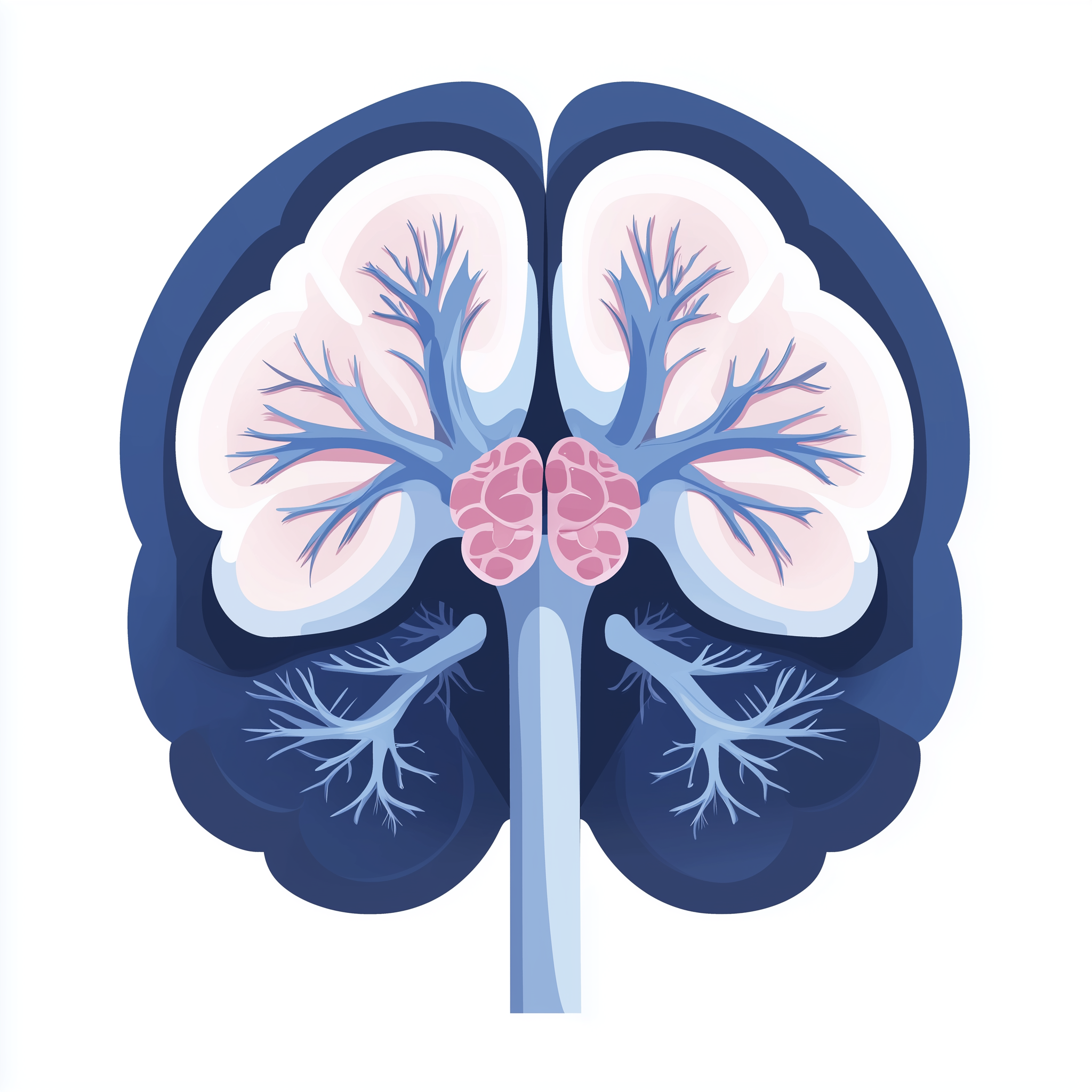
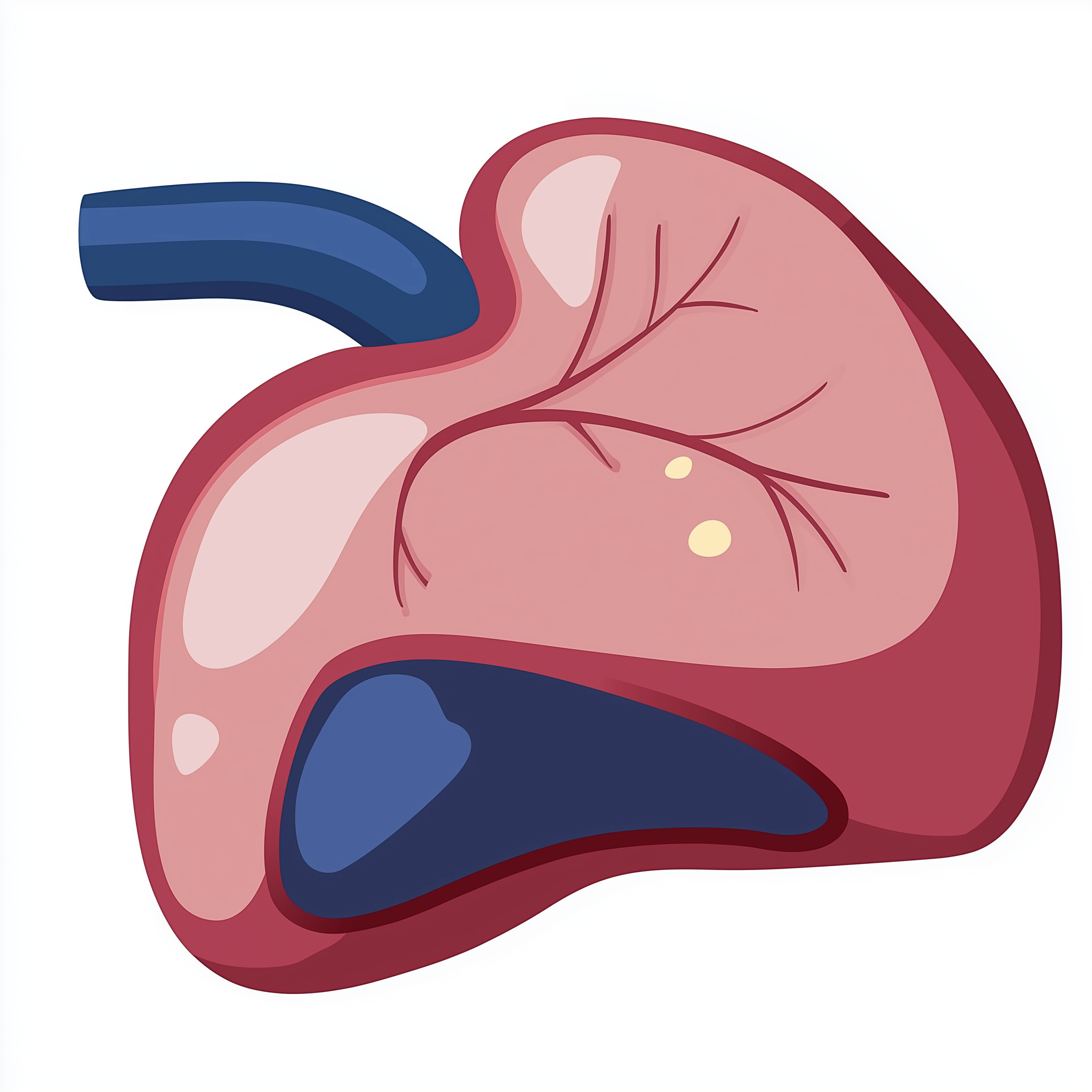
Affected organs
Mowat-Wilson syndrome can affect multiple organ systems throughout the body. The brain is consistently impacted, leading to intellectual disability and developmental delays. Brain imaging may reveal structural differences such as changes in the corpus callosum or cerebellar hypoplasia [PMID:16508920].
Other commonly affected organs include the heart, with various congenital heart defects being reported, and the gastrointestinal tract, especially the large intestine, due to Hirschsprung disease. The kidneys and urinary tract may also show abnormalities. In males, undescended testes (cryptorchidism) is a common finding. The skeletal system can also be affected, sometimes resulting in short stature or spinal anomalies.
Risks & severity
Mowat-Wilson syndrome presents with a spectrum of severity, but generally involves moderate to severe intellectual disability and significant developmental delays. The condition is present from birth, and its effects are lifelong. The specific combination and severity of symptoms can differ between individuals, even within the same family, though this is rare given the typical de novo nature of the genetic change.
Associated health complications, such as congenital heart defects, Hirschsprung disease, and epilepsy, can significantly impact an individual's health and require specialist medical attention. The management of these conditions is crucial for improving quality of life and preventing more serious health issues. While there are no specific prevalence figures available for the UK, Mowat-Wilson syndrome is considered a rare condition globally.
Genetic causes
Mowat-Wilson syndrome is primarily caused by pathogenic variants in the *ZEB2* gene. This gene is located on chromosome 2 and provides instructions for making a protein known as zinc finger E-box binding homeobox 2. This protein is a transcription factor, meaning it plays a crucial role in controlling the activity of many other genes [PMID:33671216].
During embryonic development, the ZEB2 protein is essential for the proper formation of various body structures, particularly those derived from the neural crest cells. These cells contribute to the development of the nervous system, specific parts of the heart, and the digestive tract, among others. When the *ZEB2* gene contains a pathogenic variant, the resulting ZEB2 protein may be non-functional or produced in insufficient amounts. This disruption in gene regulation impairs normal development, leading to the characteristic features of Mowat-Wilson syndrome [PMID:16508920].
Most cases of Mowat-Wilson syndrome are caused by a new (de novo) pathogenic variant in the *ZEB2* gene, meaning the variant occurs spontaneously in the affected individual and is not inherited from either parent.
- ZEB2 zinc finger E-box binding homeobox 2The ZEB2 gene provides instructions for a protein vital for embryonic development, playing a key role in the formation of various organs and tissues before birth.
Inheritance pattern
Mowat-Wilson syndrome follows an autosomal dominant pattern of inheritance. This means that only one copy of the *ZEB2* gene needs to have a pathogenic variant for the condition to occur. In the vast majority of cases, the genetic change is a de novo variant, meaning it happens for the first time in the affected individual and is not inherited from either parent.
If a pathogenic variant in *ZEB2* is de novo, the parents typically do not carry the variant and therefore have a very low risk of having another child with the syndrome. However, there is a very small theoretical risk of germline mosaicism, where a parent might carry the genetic change in some of their reproductive cells but not in their other body cells. For families with an affected child, genetic counselling can provide detailed information about recurrence risks and options for future pregnancies.
While rare, if an affected individual were to have children, each child would have a 50% chance of inheriting the pathogenic variant and therefore the syndrome. Genetic counselling is vital for understanding these risks and making informed family planning decisions.
Each child has a 50% chance of inheriting the pathogenic variant, regardless of sex.
Diagnosis & testing
The diagnosis of Mowat-Wilson syndrome is initially suspected based on an individual's distinctive facial features, developmental delays, and other associated health problems like Hirschsprung disease or congenital heart defects. Clinical assessment by a paediatrician or clinical geneticist is crucial for identifying these characteristic signs.
Confirmation of the diagnosis is typically achieved through genetic testing, specifically by analysing the *ZEB2* gene. This usually involves sequencing the gene to identify pathogenic variants. In the UK, genetic testing for Mowat-Wilson syndrome falls under the NHS Genomic Medicine Service (GMS) pathways. Referrals for genetic testing are often made by clinical geneticists following a detailed clinical assessment. The relevant R-code for genomic testing can be provided by the referring clinician or local Genomic Laboratory Hub (GLH). Genetic counsellors can provide support and explanation regarding the testing process and results.
Management & lifestyle
The management of Mowat-Wilson syndrome is multidisciplinary, focusing on addressing the specific symptoms and health issues experienced by each individual. This typically involves a team of specialists, including paediatricians, neurologists for epilepsy management, gastroenterologists for Hirschsprung disease, cardiologists for heart defects, and developmental specialists.
Developmental therapies, such as physiotherapy, occupational therapy, and speech and language therapy, are crucial for supporting motor skill development, communication, and daily living skills. Educational support tailored to the individual's learning needs is also essential. Regular medical follow-up is necessary to monitor for potential complications, such as seizures, gastrointestinal issues, and heart conditions.
In the UK, individuals with Mowat-Wilson syndrome are supported through the NHS, with care pathways guided by clinical geneticists and other specialists. Genetic counsellors play a key role in supporting families, explaining the genetic basis of the condition, and discussing family planning. Management strategies are generally supportive, aiming to improve quality of life and facilitate independence where possible.
UK care pathway
In the UK, individuals suspected of having Mowat-Wilson syndrome are typically referred to a clinical genetics service within the NHS. A clinical geneticist will conduct a thorough evaluation and can refer for genomic testing, which is provided through the NHS Genomic Medicine Service (GMS). The specific R-code for the required genomic test will be determined by the referring clinician or the local Genomic Laboratory Hub.
Once a diagnosis is confirmed, ongoing care is coordinated through a multidisciplinary team within the NHS, involving various specialists to address the specific needs of the individual. Genetic counsellors are available to provide information, support, and guidance to affected individuals and their families throughout the diagnostic and management process.
Frequently asked questions
Is Mowat-Wilson syndrome inherited?
In most cases, Mowat-Wilson syndrome is not inherited. It typically results from a new, spontaneous genetic change (de novo variant) in the *ZEB2* gene that occurs for the first time in the affected individual. Parents usually do not carry the gene variant.
What are the common health problems associated with Mowat-Wilson syndrome?
Individuals often experience moderate to severe intellectual disability, developmental delays, and characteristic facial features. Other common health issues can include Hirschsprung disease (a bowel condition), congenital heart defects, epilepsy, and genitourinary abnormalities.
How is Mowat-Wilson syndrome diagnosed?
Diagnosis is usually suspected based on an individual's clinical features, such as distinctive facial appearance and developmental delays. It is then confirmed through genetic testing, specifically by analysing the *ZEB2* gene to identify a pathogenic variant.
What kind of support is available for individuals with Mowat-Wilson syndrome?
Support is multidisciplinary and focuses on managing symptoms. This includes developmental therapies (physiotherapy, occupational therapy, speech and language therapy), educational support, and medical care from specialists like neurologists and cardiologists. Genetic counsellors provide family support.
Can Mowat-Wilson syndrome be cured?
Currently, there is no cure for Mowat-Wilson syndrome. Management focuses on treating the specific symptoms and associated medical conditions, and providing supportive therapies to maximise an individual's development and quality of life.
References
- Montalva L, Cheng LS, Kapur R. Hirschsprung disease. Nature reviews. Disease primers. 2023. PMID: 37828049
- Steiner CE. Mowat-Wilson syndrome. Arquivos de neuro-psiquiatria. 2015. PMID: 25608118
- Adam MP, Bick S, Mirzaa GM. Classic Mowat-Wilson Syndrome. 1993. PMID: 20301585
- Mowat DR, Wilson MJ, Goossens M. Mowat-Wilson syndrome. Journal of medical genetics. 2003. PMID: 12746390
- Garavelli L, Mainardi PC. Mowat-Wilson syndrome. Orphanet journal of rare diseases. 2007. PMID: 17958891
- Perrot A, Rickert-Sperling S. Human Genetics of Ventricular Septal Defect. Advances in experimental medicine and biology. 2024. PMID: 38884729
- Cordelli DM, Di Pisa V, Fetta A. Neurological Phenotype of Mowat-Wilson Syndrome. Genes. 2021. PMID: 34199024
- Ivanovski I, Djuric O, Broccoli S. Mowat-Wilson syndrome: growth charts. Orphanet journal of rare diseases. 2020. PMID: 32539836