

On this page
Metachromatic leukodystrophy
MLD is an inherited metabolic disorder characterised by the build-up of sulfatides, leading to the destruction of myelin in the brain and peripheral nerves. This results in progressive neurological problems, typically affecting children.
Available at Jeen Health
Clinical tests that include this
Overview
Metachromatic leukodystrophy (MLD) is a rare, inherited condition that primarily affects the white matter of the brain and peripheral nerves. White matter is crucial because it contains myelin, a fatty insulating layer that allows nerve cells to transmit signals quickly and efficiently. In MLD, a specific fatty substance called sulfatide accumulates within cells, particularly in the brain, spinal cord, and peripheral nerves, leading to the destruction of myelin [PMID:31535445].
This progressive damage to the myelin sheath impairs the nervous system's ability to function correctly, causing a range of neurological symptoms that worsen over time. MLD is classified as a lysosomal storage disorder, a group of conditions where specific waste products are not broken down properly within cells. While rare, MLD can have a significant impact on affected individuals and their families.
Symptoms & clinical features
The symptoms of MLD vary depending on the age of onset, which is often categorised into late infantile, juvenile, and adult forms. The late infantile form, which is the most common and severe, typically begins between 1 and 2 years of age. Early signs may include developmental regression, such as loss of speech, difficulty walking, and problems with movement coordination. Muscle weakness, reduced muscle tone (hypotonia), and changes in gait are also commonly observed [PMID:31535445].
As the condition progresses, affected children may experience seizures, difficulties with feeding, and increasing intellectual and motor decline. In juvenile forms, symptoms usually appear between ages 3 and 16, often beginning with academic difficulties, behavioural changes, or problems with walking. Adult-onset MLD is less common and tends to progress more slowly, with psychiatric symptoms like personality changes, depression, or psychosis often appearing first, followed by neurological issues such as ataxia (problems with coordination) or neuropathy [PMID:31535445].
Video: Genetics 101
Affected organs
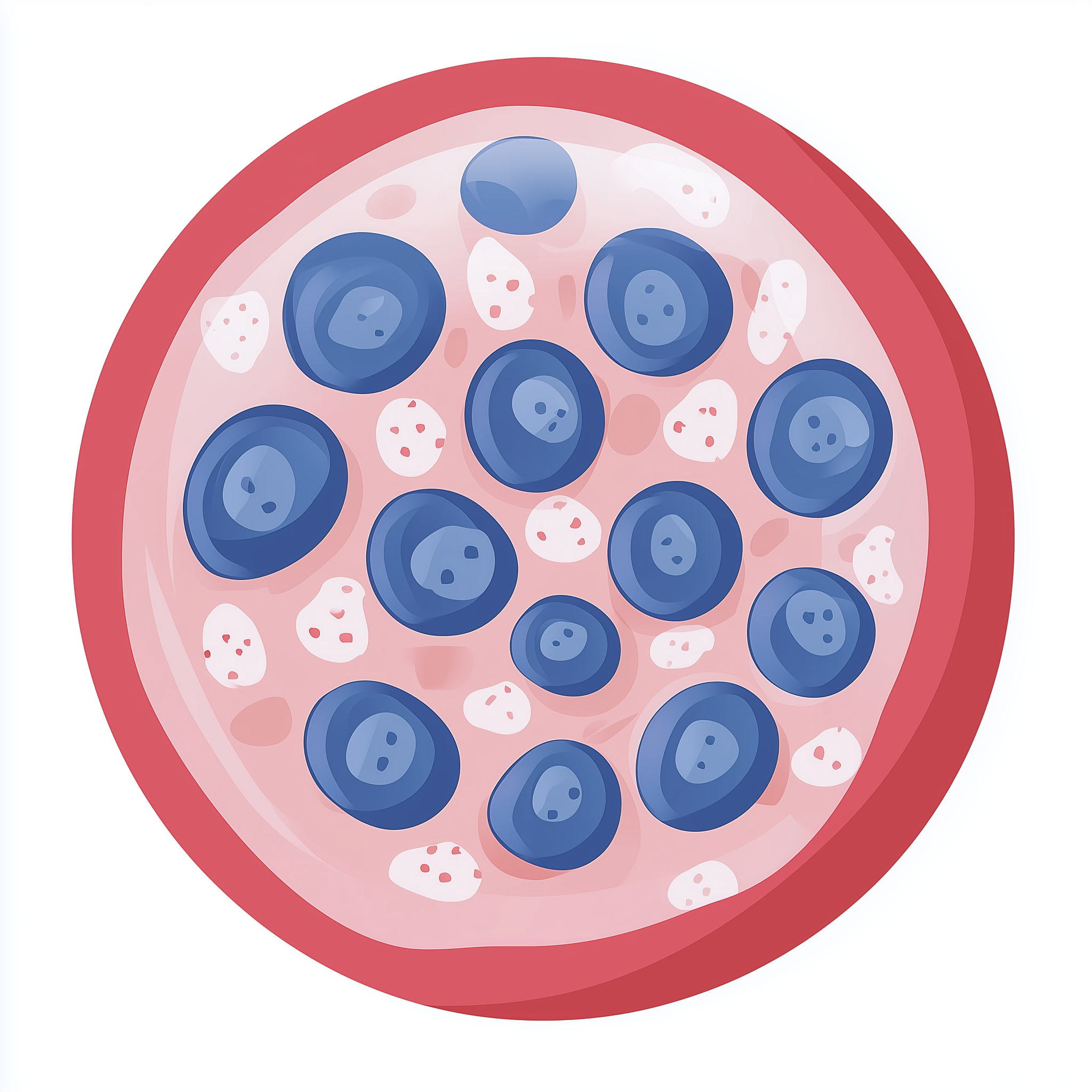
MLD predominantly affects the nervous system. This includes the central nervous system (the brain and spinal cord) and the peripheral nervous system (nerves outside the brain and spinal cord). The primary impact is on the myelin sheath, which insulates nerve fibres. Damage to myelin disrupts the transmission of nerve signals throughout the body.
Over time, the accumulation of sulfatides can also affect other organs to a lesser extent, such as the gallbladder, which may develop polyps. However, the most significant and debilitating effects are consistently seen within the neurological system, leading to widespread impairment of motor function, cognitive abilities, and sensory perception.

Risks & severity
MLD is a severe progressive condition with varying degrees of severity and progression rates depending on the age of onset. The late infantile form is generally the most aggressive, leading to rapid neurological decline and a significantly shortened life expectancy. Children with this form often do not survive beyond childhood.
Juvenile and adult forms typically have a slower progression, but they still lead to significant disability over time. The exact prevalence of MLD is not well established but is estimated to be between 1 in 40,000 and 1 in 160,000 births. The long-term outlook is generally poor, with individuals experiencing progressive loss of motor and cognitive function. Currently, there is no cure for MLD, but treatments aim to slow disease progression and manage symptoms.
Genetic causes
Metachromatic leukodystrophy is caused by pathogenic variants in the ARSA gene. The ARSA gene provides instructions for making an enzyme called arylsulfatase A. This enzyme is primarily found in lysosomes, which are compartments within cells responsible for breaking down and recycling various cellular waste products.
Specifically, arylsulfatase A is crucial for breaking down sulfatides, a type of fatty substance that is abundant in the myelin sheath. When variants in ARSA lead to a deficiency or absence of functional arylsulfatase A, sulfatides cannot be broken down efficiently. This results in their accumulation within cells, particularly in the brain and nervous system, leading to the toxic destruction of myelin. In very rare cases, MLD-like symptoms can also be caused by pathogenic variants in the PSAP gene, which produces a protein that assists ARSA in its function.
- ARSA arylsulfatase AThe ARSA gene provides instructions for making the arylsulfatase A enzyme, which plays a critical role in cellular waste processing within lysosomes.
Inheritance pattern
Metachromatic leukodystrophy follows an autosomal recessive inheritance pattern. This means that an individual must inherit two altered copies of the ARSA gene - one from each parent - to develop the condition. If a person inherits only one altered copy of the ARSA gene, they are considered a 'carrier'. Carriers typically do not show symptoms of MLD because they have one working copy of the gene, which is usually sufficient to produce enough functional arylsulfatase A enzyme.
When two carriers have children, there is a 25% chance with each pregnancy that their child will inherit two altered copies of the gene and develop MLD. There is a 50% chance the child will be a carrier, and a 25% chance the child will inherit two working copies of the gene and not be affected or a carrier. Genetic counselling is available for families with a history of MLD to understand these inheritance patterns and their implications.
When both parents are carriers, each child has a 25% chance of being affected, 50% of being a carrier, and 25% of being unaffected.
Diagnosis & testing
Diagnosis of MLD typically begins with a clinical suspicion based on the observed symptoms, such as developmental regression or neurological decline. Initial investigations may include brain imaging, such as an MRI scan, which can show characteristic changes in the white matter consistent with myelin loss. Nerve conduction studies might also be performed to assess peripheral nerve function.
Confirmation of MLD largely relies on biochemical and genetic testing. Biochemical tests can measure the activity of the arylsulfatase A enzyme in white blood cells or fibroblasts (skin cells). A significantly reduced enzyme activity level is highly suggestive of MLD. Genetic testing (R-code R115 in the NHS Genomic Medicine Service) can then identify specific pathogenic variants in the ARSA gene, confirming the diagnosis. Referral to a clinical genetics service is usually made by a neurologist or paediatrician for definitive diagnosis and family counselling.
Management & lifestyle
While there is currently no cure for MLD, management focuses on supportive care and, in some cases, treatments aimed at slowing disease progression. For specific forms of MLD, particularly the pre-symptomatic or early symptomatic late infantile and juvenile forms, stem cell transplantation (haematopoietic stem cell transplantation, HSCT) has been shown to slow neurological decline [PMID:24734800]. Gene therapy is also an emerging treatment option that has shown promise in clinical trials for certain types of MLD [PMID:33675037].
Supportive care involves a multidisciplinary team, including neurologists, physiotherapists, occupational therapists, speech and language therapists, and dietitians, to address symptoms such as muscle spasticity, feeding difficulties, and communication challenges. Regular follow-up appointments with specialist teams within the NHS are essential to monitor disease progression and adjust management strategies as needed. Genetic counselling is also an important part of care for affected families.
UK care pathway
In the UK, individuals suspected of having MLD would typically be referred by their GP or specialist (e.g., neurologist, paediatrician) to a clinical genetics service. These services are part of the NHS Genomic Medicine Service. Diagnosis often involves genetic testing (NHS R-code R115, for 'Lysosomal disorders'), which can identify the specific genetic changes responsible for the condition. Once a diagnosis is confirmed, genetic counsellors play a vital role in providing information and support to individuals and families, explaining inheritance patterns and discussing implications for other family members. Management and ongoing care are provided by specialist teams, often at rare disease centres.
Frequently asked questions
What is myelin and why is it important?
Myelin is a fatty, protective layer that surrounds nerve fibres, much like insulation around an electrical wire. It enables nerve signals to travel quickly and efficiently throughout the brain and body. In MLD, this myelin is progressively damaged, disrupting normal nerve function.
Can MLD be inherited even if neither parent has the condition?
Yes, MLD follows an autosomal recessive inheritance pattern. This means both parents can be carriers of one altered ARSA gene copy without showing symptoms. If both parents pass on their altered copy, their child will inherit two altered copies and develop MLD.
Is there a cure for MLD?
Currently, there is no cure for MLD, but treatments are available that aim to slow the progression of the disease, particularly if started early. These include stem cell transplantation and gene therapy for suitable candidates, alongside comprehensive supportive care.
How common is Metachromatic Leukodystrophy?
Metachromatic Leukodystrophy is a very rare condition. Its exact prevalence is estimated to be between 1 in 40,000 and 1 in 160,000 births, making it one of the rarer genetic disorders.
What kind of doctors treat MLD?
Individuals with MLD are typically managed by a team of specialists. This often includes neurologists, paediatricians (for children), geneticists, physiotherapists, occupational therapists, and speech and language therapists, all working within the NHS.