

On this page
Medullary cystic kidney disease (UMOD)
This condition is caused by changes in the UMOD gene and typically results in a gradual decline in kidney function, often leading to end-stage kidney disease. It primarily affects adults and is passed down through families.
Overview
Medullary cystic kidney disease, specifically the UMOD-related type, is a genetic disorder that affects the kidneys. It is characterised by the formation of small fluid-filled sacs, known as cysts, in the renal medulla, which is the inner part of the kidney [PMID:24856037]. Over time, these cysts can impair the kidneys' ability to filter waste products from the blood, leading to a slow but progressive loss of kidney function. This condition is a monogenic disorder, meaning it is caused by a change in a single gene.
Symptoms & clinical features
The symptoms of Medullary cystic kidney disease (UMOD-related) often develop gradually and may not be noticeable in the early stages. Common symptoms include increased urination, especially at night, and excessive thirst, which are signs of the kidneys' reduced ability to concentrate urine [PMID:24856037]. People may also experience general fatigue, weakness, and loss of appetite as kidney function declines. High blood pressure can also be a feature of the condition.
Video: Genetics 101
Affected organs
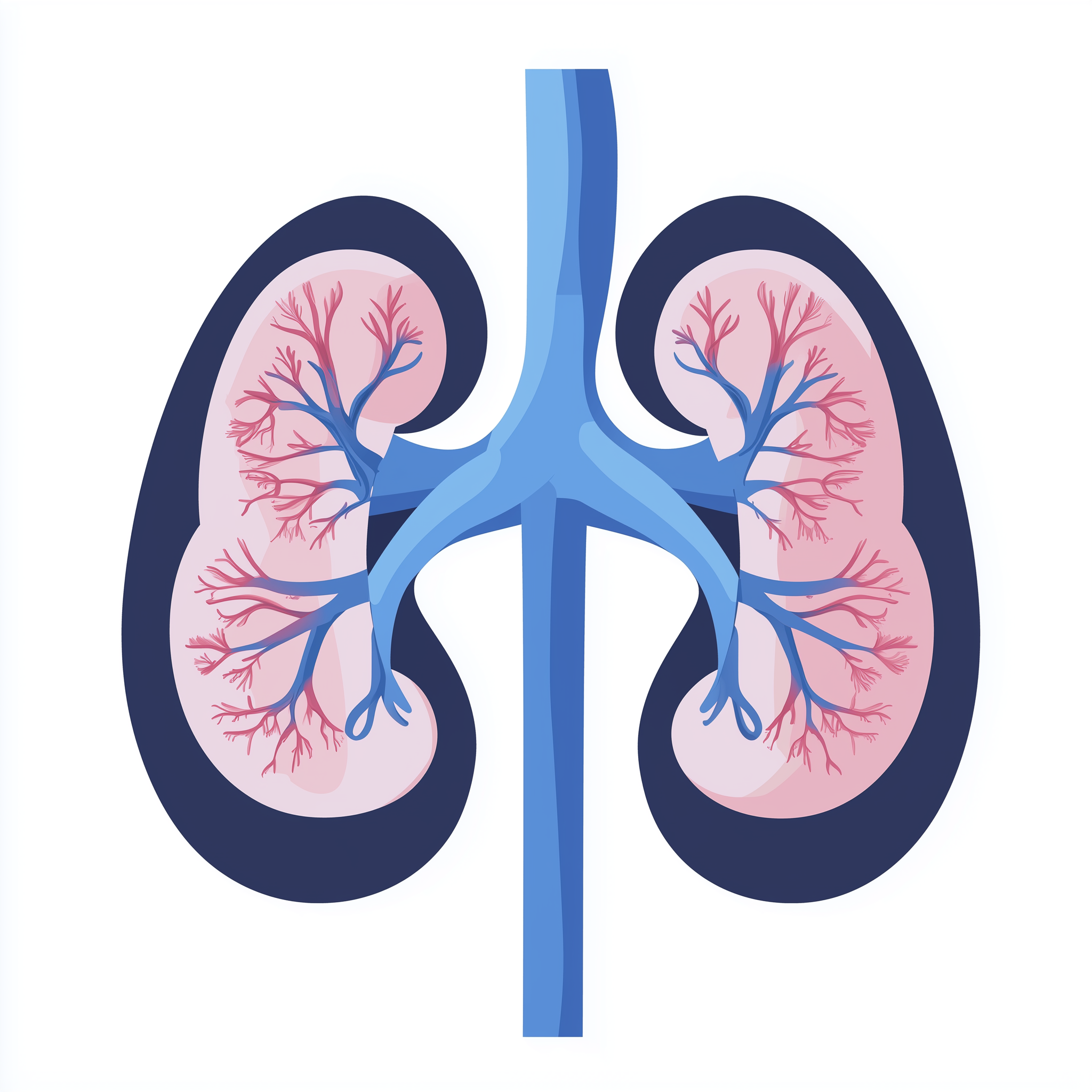
This condition primarily affects the kidneys. The development of cysts and scarring (fibrosis) occurs in the renal medulla, gradually compromising the overall function of the kidneys. As the disease progresses, it can impact the body's ability to maintain fluid and electrolyte balance, leading to broader systemic effects due to impaired waste removal.

Risks & severity
Medullary cystic kidney disease (UMOD-related) typically progresses slowly over many years. The severity can vary between individuals, even within the same family. Most people with this condition will experience a gradual decline in kidney function, often leading to end-stage kidney disease (ESKD) during adulthood, commonly between 30 and 70 years of age [PMID:24856037]. The exact prevalence of this condition is not well established, but it is considered rare.
Genetic causes
Medullary cystic kidney disease (UMOD-related) is caused by pathogenic variants in the UMOD gene. This gene provides instructions for making a protein called uromodulin, also known as Tamm-Horsfall protein. Uromodulin is the most abundant protein found in normal urine and is produced exclusively by cells in a specific part of the kidney tubules [PMID:33675071]. The protein is thought to play a role in protecting against kidney stone formation and bacterial infections, as well as influencing kidney function. When there are pathogenic changes in the UMOD gene, the uromodulin protein can misfold and accumulate within kidney cells, which research suggests contributes to cell damage, cyst formation, and the progressive loss of kidney function [PMID:33675071].
- UMOD uromodulin
Inheritance pattern
Medullary cystic kidney disease (UMOD-related) is inherited in an autosomal dominant pattern. This means that a person only needs to inherit one copy of the altered UMOD gene from either parent to develop the condition. If a parent has the condition, there is a 50% chance with each pregnancy that their child will also inherit the altered gene and therefore be affected. This inheritance pattern means that the condition can often be seen in multiple generations of a family.
Each child has a 50% chance of inheriting the pathogenic variant, regardless of sex.
Diagnosis & testing
Diagnosis of Medullary cystic kidney disease (UMOD-related) often begins with clinical suspicion based on symptoms like increased thirst and urination, particularly in individuals with a family history of kidney disease. Blood tests to assess kidney function, such as measuring creatinine levels, and imaging studies like ultrasound to detect kidney cysts, can support the diagnosis. A definitive diagnosis is typically confirmed through genetic testing to identify a pathogenic variant in the UMOD gene. In the UK, genetic testing for inherited renal disorders, including UMOD-related conditions, can be accessed via the NHS Genomic Medicine Service. Referrals for genetic testing are usually made by a renal specialist or clinical geneticist and may fall under relevant R-codes for inherited kidney conditions.
Management & lifestyle
There is currently no cure for Medullary cystic kidney disease (UMOD-related), and management focuses on slowing the progression of kidney damage and managing symptoms. This often involves regular monitoring of kidney function, blood pressure control, and managing fluid and electrolyte imbalances. Individuals may be advised on dietary modifications to reduce the burden on the kidneys. As kidney function declines, treatment options such as dialysis or kidney transplantation may become necessary. Decisions about management are made in consultation with a renal specialist and other healthcare professionals.
UK care pathway
In the UK, individuals suspected of having Medullary cystic kidney disease (UMOD-related) would typically be referred to a renal specialist. If an inherited cause is suspected, they may then be referred to a clinical genetics service for assessment and consideration of genetic testing. Genetic testing for inherited kidney disorders is available through the NHS Genomic Medicine Service and is guided by specific R-codes. Genetic counsellors play a vital role in providing information and support to individuals and families regarding genetic testing, inheritance patterns, and potential implications.
Frequently asked questions
What is the UMOD gene?
The UMOD gene provides instructions for making a protein called uromodulin. This protein is primarily produced in the kidneys and helps protect against kidney stones and infections. Changes in the UMOD gene can cause the protein to misfold, leading to kidney damage and cyst formation.
If I have this condition, will my children get it?
Medullary cystic kidney disease (UMOD-related) is inherited in an autosomal dominant manner. This means that if you have the condition, each of your children has a 50% chance of inheriting the altered gene and therefore developing the condition themselves.
How is Medullary cystic kidney disease (UMOD-related) diagnosed?
Diagnosis often starts with noticing symptoms like increased thirst and urination, especially if there's a family history of kidney problems. Blood tests can check kidney function, and an ultrasound can look for kidney cysts. A definitive diagnosis is made through genetic testing to identify a change in the UMOD gene.
Can Medullary cystic kidney disease (UMOD-related) be cured?
Currently, there is no cure for Medullary cystic kidney disease (UMOD-related). Treatment focuses on managing symptoms, slowing the progression of kidney damage, and controlling complications like high blood pressure. In advanced stages, dialysis or a kidney transplant may be necessary.
What support is available for people with this condition in the UK?
In the UK, individuals with this condition are typically cared for by renal specialists. Genetic counsellors can provide support and information about the genetic aspects. Organisations like Kidney Care UK offer resources and support for people living with kidney disease.