

On this page
Lowe syndrome
This inherited disorder predominantly affects males and is characterised by eye abnormalities, intellectual disability, and kidney problems. It is caused by changes in the OCRL gene and requires lifelong specialist care.
Available at Jeen Health
Clinical tests that include this
Overview
Lowe syndrome, also known as oculocerebrorenal syndrome of Lowe, is a rare genetic condition that affects multiple parts of the body, most notably the eyes, brain, and kidneys [PMID:31613959]. It is a multisystem disorder that typically presents at birth or in early infancy. Individuals with Lowe syndrome often experience cataracts in both eyes, intellectual disability, and a specific type of kidney dysfunction called renal tubular acidosis.
This condition is much more common in males due to its X-linked inheritance pattern. Females can be carriers, and some may show milder or different symptoms. The severity of Lowe syndrome can vary between individuals, even within the same family, but it generally requires ongoing medical care and support from a team of specialists.
Living with Lowe syndrome involves managing a range of health issues throughout life. Early diagnosis and intervention are important for optimising health outcomes and supporting development.
Symptoms & clinical features
The symptoms of Lowe syndrome are diverse and can affect various organ systems, with the most common features involving the eyes, brain, and kidneys.
Eye abnormalities are almost universally present from birth. These typically include cataracts (clouding of the lens of the eye) in both eyes, which can significantly impair vision. Glaucoma (increased pressure within the eye) is also common and can lead to optic nerve damage if not managed [PMID:31613959]. Some individuals may also experience nystagmus (involuntary eye movements) and strabismus (misaligned eyes).
Neurological features commonly include varying degrees of intellectual disability, which can range from mild to severe. Muscle hypotonia (low muscle tone) is often present from infancy, affecting motor development and coordination. Seizures can also occur in some affected individuals. Kidney involvement typically manifests as renal tubular acidosis (RTA), where the kidneys have difficulty reabsorbing important substances like bicarbonate and electrolytes, leading to imbalances in the body's chemistry [PMID:35870026]. This can result in increased thirst, frequent urination, and difficulty gaining weight. Other possible symptoms include growth delays, bone abnormalities, and dental issues.
Video: Genetics 101
Affected organs
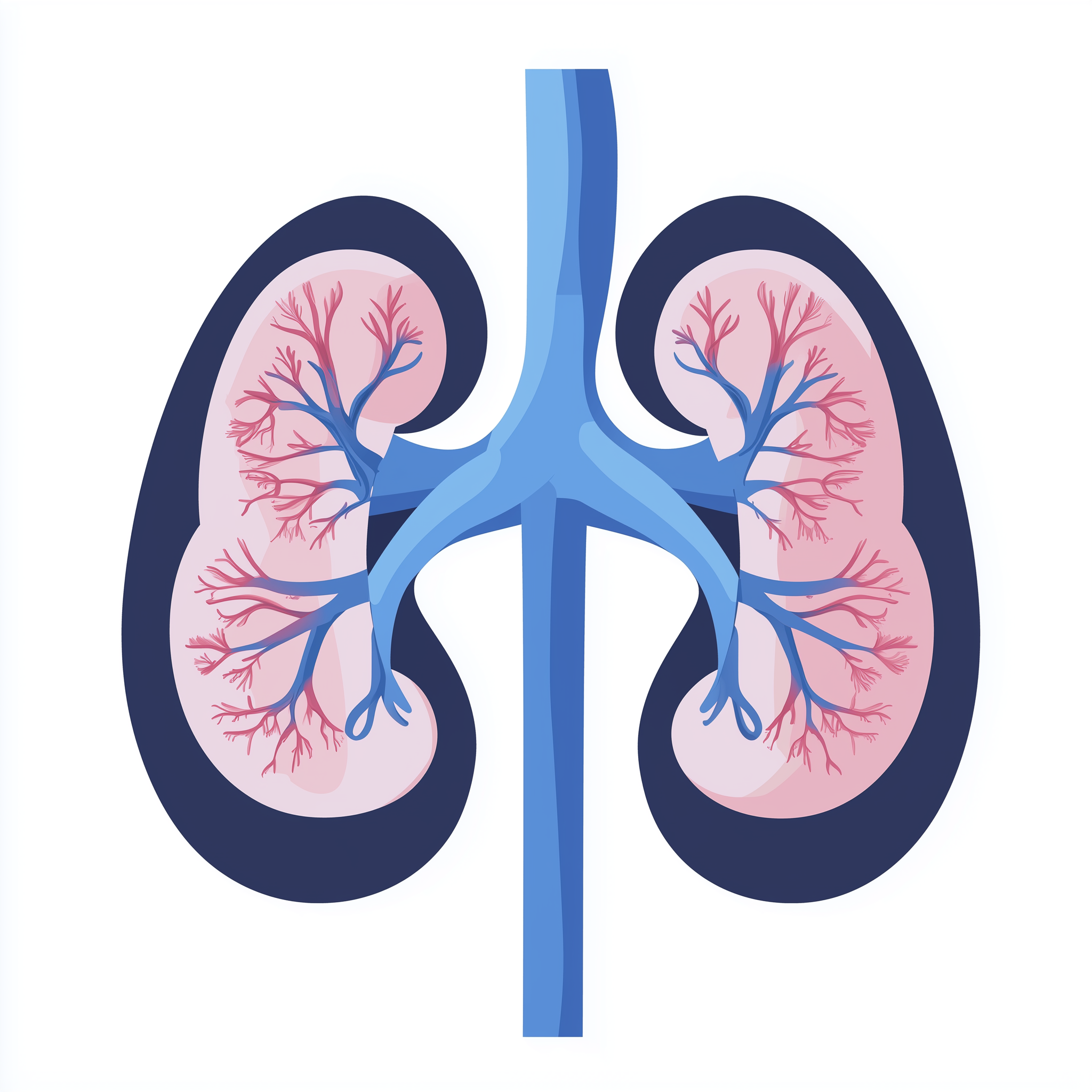
Lowe syndrome primarily affects three major organ systems: the eyes, the brain, and the kidneys.
In the eyes, the lens is most commonly affected, leading to congenital cataracts. The optic nerve can be damaged due to glaucoma, and retinal detachment is also a risk. The brain is affected in terms of neurological development, typically resulting in intellectual disability and often motor difficulties due to low muscle tone. The kidneys are significantly impacted, specifically the renal tubules, leading to renal tubular acidosis and impaired reabsorption of essential substances. Other organs that may be less commonly affected include the musculoskeletal system, with potential for bone fragility and joint issues, and the teeth.
Risks & severity
Lowe syndrome is a rare condition, and its exact prevalence in the UK population is not well established. The severity of the condition can vary, but it is typically a serious, lifelong disorder requiring significant medical management. Males are primarily affected due to the X-linked inheritance pattern. Lifetime risks involve progressive kidney dysfunction, which can necessitate dialysis or kidney transplantation in some individuals.
The age of onset is generally very early, with eye abnormalities like cataracts often detectable at birth or shortly after. Neurological and kidney symptoms usually become apparent during infancy. Early diagnosis and ongoing specialist care are crucial for addressing symptoms and potential complications, such as kidney failure or severe visual impairment. Regular monitoring and timely interventions can help to improve the quality of life for affected individuals.
Genetic causes
Lowe syndrome is caused by pathogenic variants in the OCRL gene [PMID:31613959]. This gene provides instructions for making an enzyme called OCRL inositol polyphosphate-5-phosphatase.
The OCRL enzyme plays a crucial role in regulating cellular processes, particularly those involving membrane phospholipids and the movement of proteins within cells. It is especially important for the normal function of the kidney tubules and the development of the eyes and brain. When there are pathogenic variants in the OCRL gene, the enzyme either doesn't work correctly or is not produced in sufficient amounts.
This disruption of the OCRL enzyme's function leads to a buildup of certain signalling molecules within cells. This accumulation interferes with normal cell communication and membrane trafficking, particularly in kidney cells, eye cells, and brain cells, ultimately causing the characteristic symptoms of Lowe syndrome. The specific type of variant in the OCRL gene can influence the exact presentation and severity of the condition, though this relationship is complex.
- OCRL OCRL inositol polyphosphate-5-phosphataseThe OCRL gene provides instructions for an enzyme crucial in modifying cell membrane phospholipids and regulating protein transport within cells, particularly in the kidneys.
Inheritance pattern
Lowe syndrome has an X-linked recessive inheritance pattern. This means that the OCRL gene, which is associated with Lowe syndrome, is located on the X chromosome.
Males have one X chromosome and one Y chromosome. If a male inherits an X chromosome with a pathogenic variant in the OCRL gene, he will develop Lowe syndrome because he has no second X chromosome to compensate. Females have two X chromosomes. If a female inherits one X chromosome with a pathogenic variant, she is typically a carrier and usually does not show severe symptoms, as her other healthy X chromosome can often compensate. However, some female carriers may experience milder features, such as lens opacities (minor clouding in the eye) or subtle kidney changes. A male with Lowe syndrome will pass the X-linked pathogenic variant to all of his daughters, making them carriers, but none of his sons. A female carrier has a 50% chance in each pregnancy of passing the pathogenic variant to her children. If she passes it to a son, he will develop Lowe syndrome. If she passes it to a daughter, that daughter will be a carrier.
X-linked recessive: sons of a carrier mother have a 50% chance of being affected. Daughters have a 50% chance of being carriers.
Diagnosis & testing
The diagnosis of Lowe syndrome is typically suspected based on characteristic clinical features, especially the combination of congenital cataracts, low muscle tone, and kidney involvement in a male infant. A paediatrician or ophthalmologist often identifies the initial signs. Once suspected, genetic testing is used to confirm the diagnosis.
Genetic testing for Lowe syndrome involves analysing the OCRL gene to identify pathogenic variants. This testing is usually arranged through a clinical genetics service or specialist paediatric team. In the UK, such testing falls under the NHS Genomic Medicine Service (GMS) and is typically requested by a clinical geneticist or another specialist. The relevant NHS R-codes for genetic testing would be applied depending on the specific diagnostic pathway. Genetic counselling is an integral part of the diagnostic process, providing families with information, support, and guidance regarding the implications of a diagnosis and inheritance patterns.
Management & lifestyle
Managing Lowe syndrome involves a multidisciplinary approach due to the wide range of symptoms affecting different body systems. Care is typically coordinated by a paediatrician and involves specialists such as ophthalmologists, nephrologists, neurologists, and physiotherapists. The aim of management is to address specific symptoms, prevent complications, and support development.
Eye care is critical, often involving early cataract surgery to improve vision, and treatment for glaucoma if present. Kidney management focuses on renal tubular acidosis, which may require electrolyte and bicarbonate supplements to correct imbalances and prevent complications like kidney stones. Regular monitoring of kidney function is essential. Neurological care may include therapies for developmental delay, such as physiotherapy and occupational therapy, and medication for seizures if they occur.
Nutritional support is often needed, especially in infancy, due to feeding difficulties and growth issues. Genetic counsellors play an important role in helping families understand the condition and its inheritance, and in providing psychological support. The care pathway for individuals with Lowe syndrome in the UK is generally managed within the NHS, ensuring access to specialist services and ongoing support.
UK care pathway
In the UK, individuals suspected of having Lowe syndrome would typically enter the NHS Genomic Medicine Service (GMS) pathway. Referral to a clinical genetics service is usually the next step after initial clinical suspicion by a general practitioner or paediatrician. Clinical geneticists and genetic counsellors provide expert assessment, arrange appropriate genomic testing (utilising relevant PanelApp R-codes), and offer comprehensive support and information to families. This integrated approach ensures access to specialist care and helps coordinate multidisciplinary management tailored to the individual's needs.
Frequently asked questions
Is Lowe syndrome only found in boys?
Lowe syndrome primarily affects males because it is an X-linked condition. Females can be carriers of the altered gene and usually do not experience severe symptoms, though some may have milder signs like minor eye clouding.
Can Lowe syndrome be cured?
There is currently no cure for Lowe syndrome. Treatment focuses on managing the symptoms and preventing complications. This includes surgeries for eye problems, medication for kidney issues, and various therapies to support development.
What kind of doctors will my child see for Lowe syndrome?
Your child will likely see a team of specialists, including a paediatrician, an ophthalmologist (eye doctor), a nephrologist (kidney doctor), a neurologist (brain and nerve doctor), and therapists like physiotherapists and occupational therapists. A genetic counsellor will also be involved.
How does Lowe syndrome affect a child's learning?
Lowe syndrome often leads to some degree of intellectual disability, which can vary from person to person. This means children may have difficulties with learning, understanding, and processing information. Early intervention and supportive educational programmes are important.
What is renal tubular acidosis in Lowe syndrome?
Renal tubular acidosis (RTA) is a kidney problem common in Lowe syndrome where the kidneys struggle to properly reabsorb certain substances, particularly bicarbonate. This can lead to an imbalance in the body's acid-base levels, requiring treatment with supplements to correct it [PMID:35870026].
References
- Foreman JW. Fanconi Syndrome. Pediatric clinics of North America. 2019. PMID: 30454741
- Adam MP, Bick S, Mirzaa GM. Lowe Syndrome. 1993. PMID: 20301653
- Huisman S, Mulder P, Kuijk J. Self-injurious behavior. Neuroscience and biobehavioral reviews. 2018. PMID: 28694012
- Loi M. Lowe syndrome. Orphanet journal of rare diseases. 2006. PMID: 16722554
- Tripathi M, Markan A, Tripathy K. Oculocerebrorenal Syndrome. 2025. PMID: 36256770
- Devuyst O, Thakker RV. Dent's disease. Orphanet journal of rare diseases. 2010. PMID: 20946626
- Kaur K, Gurnani B. Lenticonus. 2026. PMID: 36943989
- Staiano L, De Matteis MA. Phosphoinositides in the kidney. Journal of lipid research. 2019. PMID: 30314999