

On this page
Hereditary tyrosinaemia type I
This condition leads to the build-up of harmful substances in the body, primarily affecting the liver and kidneys. It is an inherited metabolic disorder that typically presents in infancy or early childhood.
Available at Jeen Health
Clinical tests that include this
Overview
Hereditary Tyrosinaemia Type I (HT1) is an inherited metabolic condition, meaning it affects the body's chemical processes. It is caused by a deficiency of an enzyme called fumarylacetoacetate hydrolase (FAH). This enzyme is crucial for the final step in the breakdown of tyrosine, an amino acid found in many protein-rich foods [PMID:12410313]. Without enough functional FAH enzyme, toxic by-products accumulate in the body, which can lead to severe health problems.
HT1 is a rare disorder, affecting approximately 1 in 100,000 newborns globally, though prevalence can vary in certain populations [PMID:12410313]. Early detection and management are vital to prevent serious complications and improve long-term outcomes for affected individuals.
Symptoms & clinical features
The symptoms of Hereditary Tyrosinaemia Type I can vary in severity and age of onset. In infants, the acute form often presents in the first few months of life with symptoms such as poor feeding, vomiting, diarrhoea, failure to gain weight, and irritability. Jaundice (yellowing of the skin and eyes), an enlarged liver and spleen, and a distinctive 'cabbage-like' odour can also be observed. Some infants may experience bleeding problems due to liver dysfunction [PMID:17900137].
Later onset, or chronic forms, may present in older children with symptoms including growth problems, liver enlargement, and kidney issues, which can lead to bone softening (rickets). Without appropriate management, there is a significant risk of developing liver cancer (hepatocellular carcinoma) at a young age.
Video: Genetics 101
Affected organs
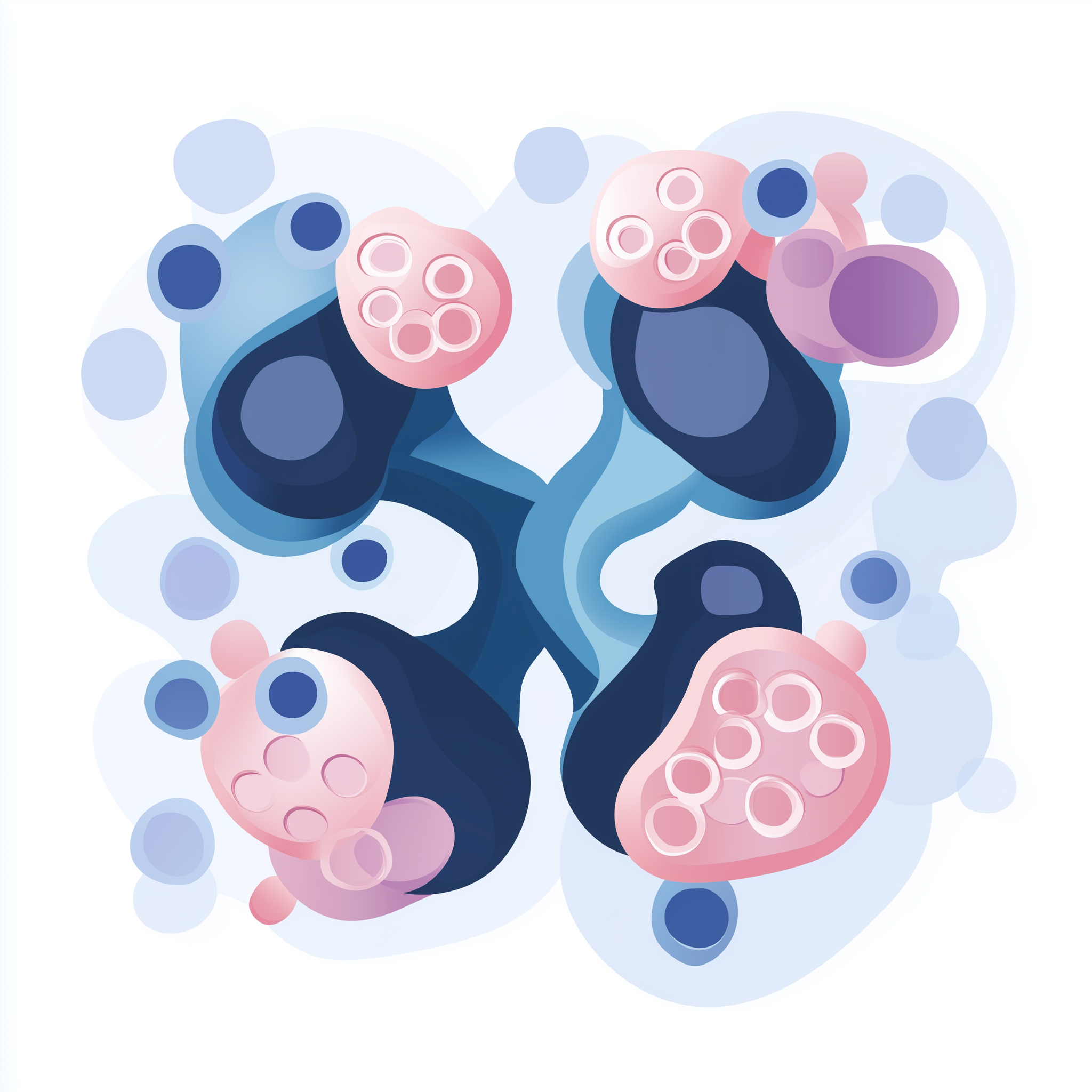
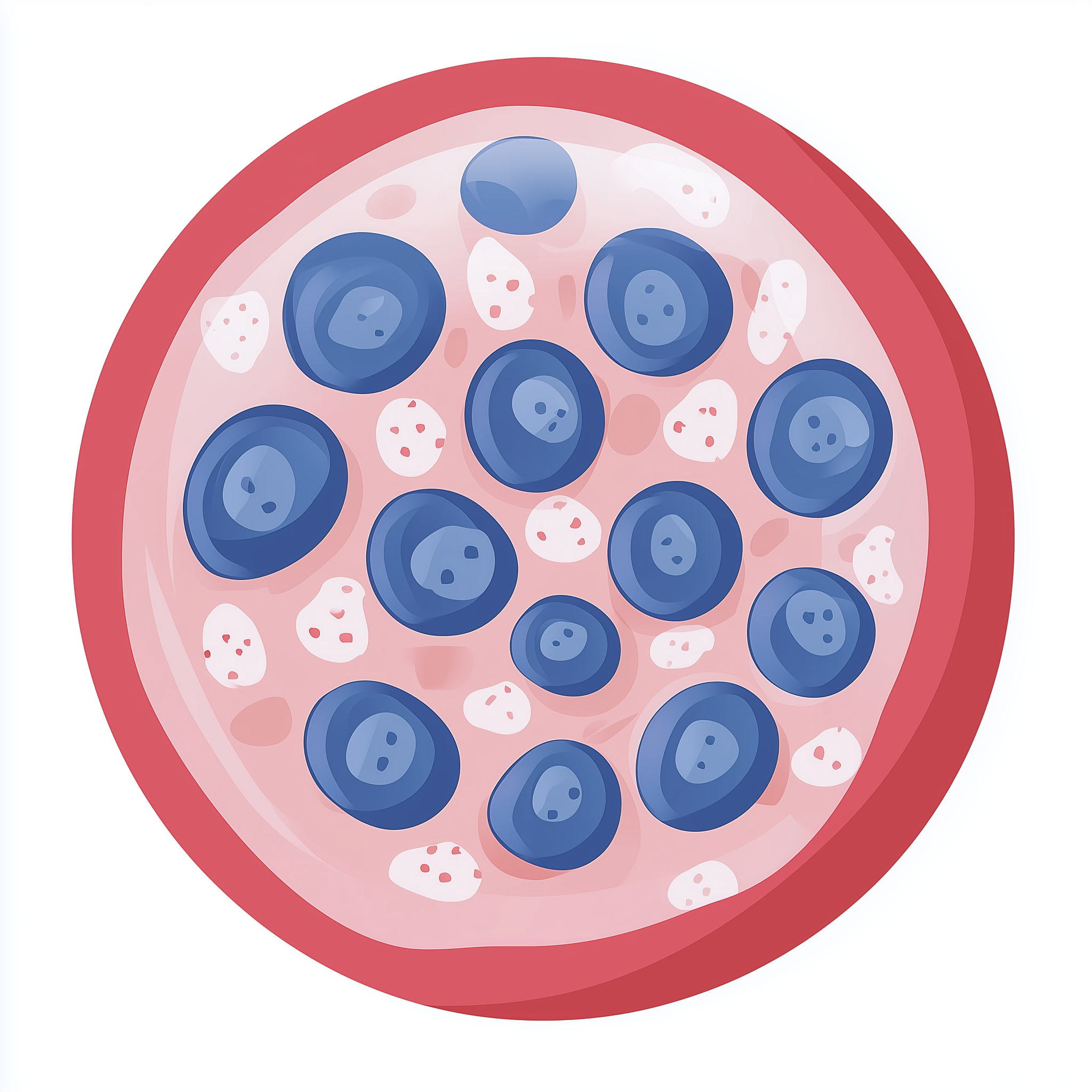
Hereditary Tyrosinaemia Type I primarily affects the liver, kidneys, and nervous system. The accumulation of toxic metabolites directly damages liver cells, leading to severe liver dysfunction, scarring (cirrhosis), and an increased risk of liver cancer. The kidneys can also be damaged, resulting in impaired kidney tubule function, which affects the reabsorption of essential nutrients and minerals.
The nervous system can also be affected, leading to neurological crises characterised by pain, muscle weakness, and sometimes paralysis. These crises are thought to be caused by the build-up of succinylacetone, one of the toxic by-products of tyrosine metabolism.
Risks & severity
The severity of Hereditary Tyrosinaemia Type I can range from an acute, severe form presenting in infancy to a more chronic, milder form appearing later in childhood. Without treatment, the acute form can be life-threatening within the first year of life due to liver failure. The chronic form typically progresses more slowly, but still carries a high risk of serious complications.
Individuals with HT1 are at a substantially increased lifetime risk of developing hepatocellular carcinoma, often in childhood or adolescence, if the condition is not well-managed [PMID:17900137]. Early diagnosis and adherence to treatment are crucial for reducing these risks and improving overall health outcomes.
Genetic causes
Hereditary Tyrosinaemia Type I is caused by pathogenic variants in the FAH gene. The FAH gene provides instructions for making the enzyme fumarylacetoacetate hydrolase. This enzyme is responsible for the final step in the complex pathway that breaks down tyrosine, a common amino acid found in dietary proteins.
When there are pathogenic changes in the FAH gene, the enzyme it produces is either deficient or non-functional. This prevents the normal breakdown of tyrosine, leading to a build-up of harmful intermediate products, such as fumarylacetoacetate and succinylacetone. These toxic substances cause damage to various organs, particularly the liver and kidneys, leading to the symptoms observed in HT1.
- FAH fumarylacetoacetate hydrolaseThe FAH gene provides instructions for producing the fumarylacetoacetate hydrolase enzyme, which plays a critical role in the metabolic breakdown of the amino acid tyrosine.
Inheritance pattern
Hereditary Tyrosinaemia Type I is inherited in an autosomal recessive pattern. This means that an individual must inherit two altered copies of the FAH gene - one from each parent - to develop the condition. People who have only one altered copy of the FAH gene are known as carriers. Carriers typically do not show any symptoms of the condition themselves because their single working copy of the gene is sufficient to produce enough functional FAH enzyme.
If both parents are carriers, there is a 1 in 4 (25%) chance with each pregnancy that their child will inherit two altered copies of the gene and develop HT1. There is also a 2 in 4 (50%) chance that their child will be a carrier, and a 1 in 4 (25%) chance that their child will inherit two working copies of the gene and not be affected or a carrier.
When both parents are carriers, each child has a 25% chance of being affected, 50% of being a carrier, and 25% of being unaffected.
Diagnosis & testing
Diagnosis of Hereditary Tyrosinaemia Type I typically involves a combination of clinical evaluation and biochemical and genetic testing. In the UK, HT1 is part of the newborn screening programme in some regions, which involves analysing a dried blood spot for elevated levels of succinylacetone. This early screening can lead to prompt diagnosis and intervention.
If HT1 is suspected based on symptoms or newborn screening results, further diagnostic tests include measuring succinylacetone in urine or plasma, and assessing FAH enzyme activity in liver or blood cells. Confirmation of the diagnosis is typically achieved through genetic testing, which identifies pathogenic variants in the FAH gene. Such testing is available through the NHS Genomic Medicine Service, often following referral from a paediatrician or metabolic specialist, and falls under R-codes such as R133 (for metabolic disorders with a genetic cause).
Management & lifestyle
Management of Hereditary Tyrosinaemia Type I focuses on reducing the accumulation of toxic metabolites and preventing organ damage. This typically involves a combination of dietary management and medication. A specialised low-tyrosine and low-phenylalanine diet is often prescribed to limit the intake of amino acids that contribute to the toxic build-up.
The main medication used is nitisinone (also known as NTBC). Nitisinone blocks the metabolic pathway at an earlier step than the FAH enzyme deficiency, thereby preventing the formation of the toxic by-products. Regular monitoring of liver and kidney function, as well as blood levels of nitisinone and succinylacetone, is essential. In severe cases, or if complications like liver cancer develop despite treatment, a liver transplant may be considered. Care is coordinated through specialist metabolic centres within the NHS.
UK care pathway
In the UK, individuals suspected of having Hereditary Tyrosinaemia Type I are typically referred to a specialist metabolic team within the NHS. This often begins with paediatricians or general practitioners who identify initial symptoms or abnormal newborn screening results. The NHS Genomic Medicine Service plays a crucial role in confirming the diagnosis through genetic testing, which is requested by clinical geneticists or metabolic specialists. Genetic counselling is also an integral part of the care pathway, providing information and support to families regarding inheritance patterns, testing for relatives, and family planning.
Frequently asked questions
What is tyrosine and why is it a problem in HT1?
Tyrosine is one of the building blocks of proteins, called an amino acid, found in many foods. In Hereditary Tyrosinaemia Type I, the body cannot break down tyrosine properly. This leads to toxic substances building up, which can harm organs like the liver and kidneys.
How is Hereditary Tyrosinaemia Type I treated?
Treatment typically involves a special diet low in tyrosine and phenylalanine, along with a medication called nitisinone. Nitisinone helps stop the build-up of harmful substances. Regular monitoring by a specialist team is also crucial.
Can carriers of HT1 have symptoms?
No, individuals who are carriers for Hereditary Tyrosinaemia Type I typically do not experience any symptoms of the condition. They have one working copy of the FAH gene, which is usually enough to prevent the build-up of toxic substances.
Is there a cure for Hereditary Tyrosinaemia Type I?
There is currently no cure for Hereditary Tyrosinaemia Type I, but effective treatments like nitisinone and dietary management can significantly improve health outcomes and prevent serious complications. In some severe cases, a liver transplant might be considered.
How often do children with HT1 need to see a doctor?
Children with Hereditary Tyrosinaemia Type I usually require lifelong, regular follow-up appointments with a specialist metabolic team. This includes regular blood tests, urine tests, and imaging scans to monitor their liver, kidneys, and overall health, ensuring their treatment is effective.