

On this page
Gilbert syndrome
This inherited condition typically causes mild, intermittent jaundice and usually presents during or after puberty. It affects a significant portion of the population and rarely requires treatment, often being discovered incidentally.
Available at Jeen Health
Clinical tests that include this
Overview
Gilbert syndrome is a relatively common, mild liver condition where the liver doesn't process bilirubin as efficiently as it should. Bilirubin is a yellow waste product formed when red blood cells break down naturally. Normally, the liver modifies bilirubin so it can be removed from the body. In Gilbert syndrome, this process is slower, leading to slightly higher-than-normal levels of bilirubin in the blood (unconjugated hyperbilirubinaemia) [PMID:33678074].
This condition is considered benign, meaning it generally does not cause significant health problems or liver damage. It's often diagnosed in adolescence or early adulthood, although someone is born with the genetic predisposition. Many people with Gilbert syndrome may not even know they have it, as it frequently causes no symptoms or only very mild, intermittent ones.
Symptoms & clinical features
For many individuals with Gilbert syndrome, there are no noticeable symptoms. When symptoms do occur, the most common is mild jaundice, which is a yellowish discolouration of the skin and the whites of the eyes. This jaundice might be more apparent during periods of stress, illness (like a cold or flu), dehydration, prolonged fasting, strenuous exercise, or after consuming alcohol [PMID:33678074].
Other less common and often vague symptoms that some people with Gilbert syndrome report include fatigue, weakness, abdominal discomfort, or nausea. However, these symptoms are not definitively linked to Gilbert syndrome itself but are sometimes reported alongside periods of jaundice. Severe jaundice or persistent symptoms should always be investigated by a doctor, as they could indicate a different, more serious liver condition.
Video: Genetics 101
Affected organs
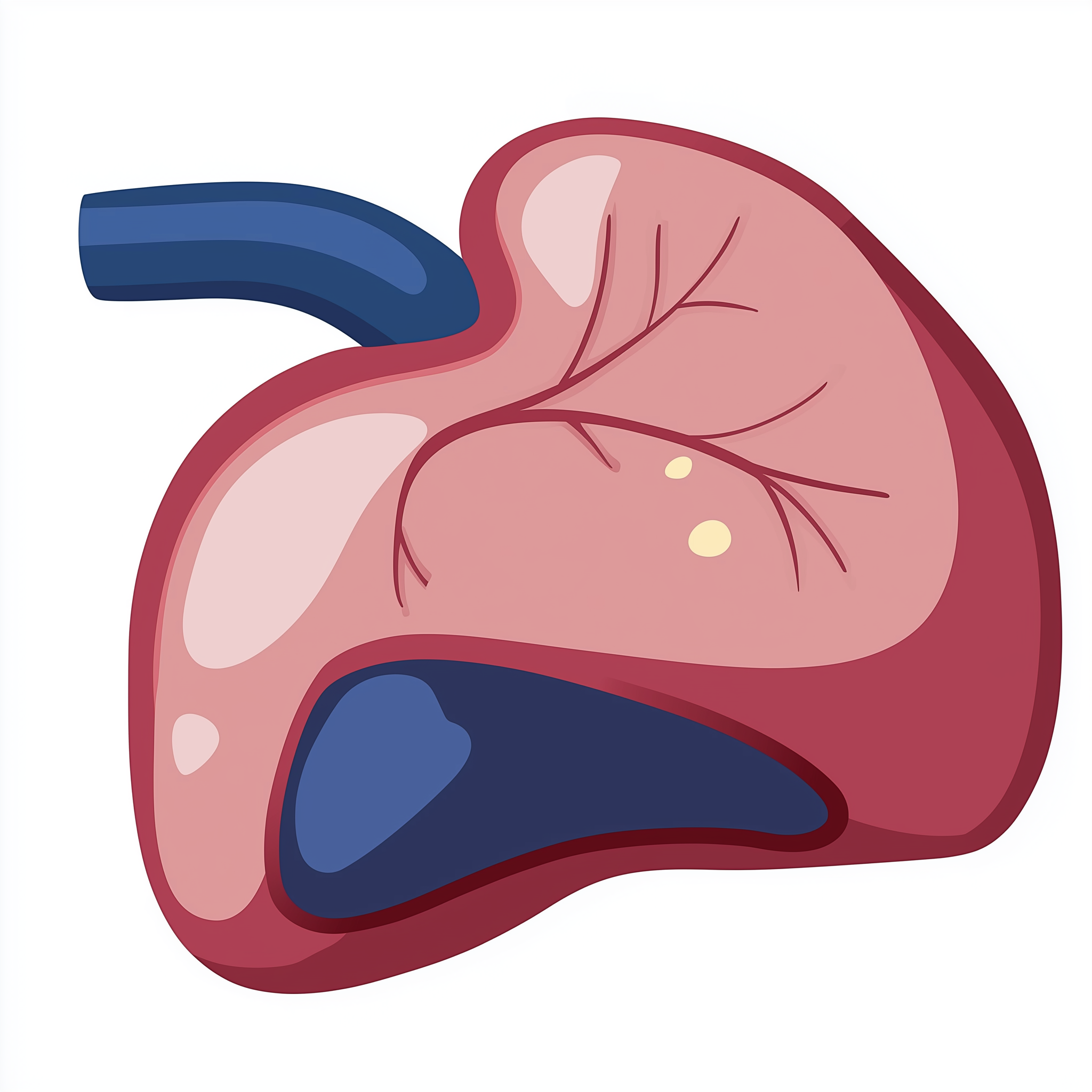
Gilbert syndrome primarily affects the liver. The liver is a vital organ responsible for many functions, including filtering toxins from the blood, processing nutrients, and producing bile. In the context of Gilbert syndrome, the liver's ability to process unconjugated bilirubin is specifically impaired, leading to its accumulation in the bloodstream. While the liver's function in other areas generally remains normal, this specific metabolic pathway is less efficient.
Risks & severity
Gilbert syndrome is a benign condition and is not generally associated with severe complications. It does not lead to liver disease, cirrhosis, or impaired liver function in the long term [PMID:33678074]. The severity of symptoms, mainly jaundice, can fluctuate but typically remains mild. The condition is prevalent, affecting an estimated 3-10% of the population, making it one of the most common inherited liver conditions. Onset is usually during or after puberty, when bilirubin levels often naturally increase. It does not carry a specific risk of cancer.
While largely harmless, individuals with Gilbert syndrome may experience increased unconjugated bilirubin levels when taking certain medications that also rely on the UGT1A1 enzyme for metabolism. This is a consideration for healthcare professionals when prescribing drugs that interact with this pathway.
Genetic causes
Gilbert syndrome is caused by genetic changes in the UGT1A1 gene. This gene provides instructions for making an enzyme called bilirubin-UGT (UDP-glucuronosyltransferase 1A1). This enzyme is crucial for conjugating bilirubin, a process that makes bilirubin water-soluble so it can be excreted from the body via bile and urine.
The specific change usually associated with Gilbert syndrome involves a common variation in the promoter region of the UGT1A1 gene. This variation, often called UGT1A1*28, leads to reduced production of the bilirubin-UGT enzyme. As a result, the liver's capacity to process bilirubin is diminished, causing unconjugated bilirubin to build up in the blood. Although there are other, rarer genetic changes in UGT1A1 that can cause Gilbert syndrome, the *28 variation is the most frequent genetic cause [PMID:33678074].
- UGT1A1 UDP glucuronosyltransferase family 1 member A1UGT1A1 encodes the only enzyme capable of converting toxic bilirubin into a form the body can safely eliminate, with variants affecting bilirubin metabolism and drug processing.
Inheritance pattern
Gilbert syndrome is inherited in an autosomal recessive pattern. This means that an individual must inherit two copies of the altered UGT1A1 gene - one from each parent - to develop the condition. If a person inherits only one copy of the altered gene and one normal copy, they are considered a 'carrier'. Carriers typically do not show symptoms of Gilbert syndrome, although they might have slightly higher bilirubin levels than the general population [PMID:33678074].
If both parents are carriers, there is a 1 in 4 (25%) chance with each pregnancy that their child will inherit two altered copies and thus have Gilbert syndrome. There is a 2 in 4 (50%) chance the child will be a carrier, and a 1 in 4 (25%) chance the child will inherit two normal copies of the gene.
When both parents are carriers, each child has a 25% chance of being affected, 50% of being a carrier, and 25% of being unaffected.
Diagnosis & testing
Diagnosis of Gilbert syndrome often begins when routine blood tests show mildly elevated unconjugated bilirubin levels, frequently discovered incidentally. Further blood tests may be performed to rule out other, more serious liver conditions. A consistently elevated unconjugated bilirubin level, especially in the absence of other signs of liver disease (such as normal liver enzyme levels), is highly suggestive of Gilbert syndrome.
Genetic testing for changes in the UGT1A1 gene can confirm the diagnosis, although it is not always necessary once other causes of hyperbilirubinaemia have been excluded. In the NHS, if genetic testing is considered appropriate by a specialist, it would typically be requested through the Genomic Medicine Service. Referral to a clinical genetics specialist or liver specialist may be made for further assessment.
Management & lifestyle
Gilbert syndrome generally does not require specific medical treatment. Because it is a benign condition and does not harm the liver, the focus of management is usually reassurance and patient education. Individuals are often advised about the factors that can temporarily increase bilirubin levels and jaundice, such as stress, fasting, dehydration, and illness.
For most people, symptoms are mild and intermittent, and no lifestyle changes are strictly necessary beyond maintaining a healthy, balanced diet and adequate hydration. If jaundice becomes noticeable, it typically resolves on its own. It's important for individuals with Gilbert syndrome to inform their healthcare providers about their condition, especially before starting new medications, as certain drugs can be metabolised differently or potentially increase bilirubin levels.
UK care pathway
In the UK, if Gilbert syndrome is suspected, initial investigations will typically occur through a GP, who may refer to a gastroenterologist or hepatologist (liver specialist) for further assessment and to rule out other liver conditions. If genetic testing is deemed necessary to confirm the diagnosis or differentiate from other inherited liver conditions, this would be requested by a specialist within the NHS Genomic Medicine Service. Patients would have access to genetic counselling services to understand the condition, its inheritance pattern, and implications for family members. Relevant R-codes for genetic testing would be applied based on the clinical presentation.
Frequently asked questions
Is Gilbert syndrome a serious liver disease?
No, Gilbert syndrome is not considered a serious liver disease. It is a benign condition and does not lead to liver damage, cirrhosis, or affect how long you live. While bilirubin levels are mildly elevated, the liver generally functions normally otherwise.
What causes the jaundice in Gilbert syndrome?
The jaundice occurs because the liver has a reduced ability to process bilirubin, a yellow pigment from red blood cell breakdown. A genetic change in the UGT1A1 gene causes less of an enzyme (bilirubin-UGT) to be made, leading to bilirubin building up in the blood and causing a yellowish tinge to the skin and eyes.
Can I prevent or treat Gilbert syndrome?
Gilbert syndrome is a lifelong, inherited condition and cannot be prevented or cured. Specific medical treatment is rarely needed because it is typically harmless. Managing factors like stress, adequate hydration, and avoiding prolonged fasting can help minimise episodes of noticeable jaundice.
If I have Gilbert syndrome, will my children get it?
Gilbert syndrome is inherited in an autosomal recessive pattern. This means both parents must contribute an altered gene copy for a child to have the condition. If you have Gilbert syndrome, you will pass one altered gene copy to each of your children. Whether they develop the condition depends on the gene copy they inherit from their other parent.
Do people with Gilbert syndrome need to follow a special diet?
Generally, no special diet is required for Gilbert syndrome. Maintaining a healthy, balanced diet and staying well-hydrated are beneficial for overall health. Some people report that certain foods or alcohol can trigger symptoms, but this varies individually, and there are no universal dietary restrictions.
References
- Fargo MV, Grogan SP, Saguil A. Evaluation of Jaundice in Adults. American family physician. 2017. PMID: 28145671
- Radlović N. Hereditary hyperbilirubinemias. Srpski arhiv za celokupno lekarstvo. 2014. PMID: 24839786
- Goluch Z, Wierzbicka-Rucińska A, Książek E. Nutrition in Gilbert's Syndrome-A Systematic Review of Clinical Trials According to the PRISMA Statement. Nutrients. 2024. PMID: 39064690
- Fretzayas A, Moustaki M, Liapi O. Gilbert syndrome. European journal of pediatrics. 2012. PMID: 22160004
- Grant LM, Faust TW, Thoguluva Chandrasekar V. Gilbert Syndrome. 2026. PMID: 29262099
- Hashmi MF, Mehta D. Rotor Syndrome. 2026. PMID: 30335339
- Singh A, Koritala T, Jialal I. Unconjugated Hyperbilirubinemia. 2026. PMID: 31747203
- Vítek L, Tiribelli C. Bilirubin: The yellow hormone? Journal of hepatology. 2021. PMID: 34153399