

On this page
Giant axonal neuropathy
This condition gradually causes weakness and loss of sensation, alongside other neurological problems. Symptoms usually begin in early childhood and worsen over time, affecting mobility and overall neurological function.
Overview
Giant axonal neuropathy (GAN) is a very rare genetic condition that primarily affects the nervous system. It is called 'giant axonal' because the nerve fibres, known as axons, swell up abnormally. These swollen axons can be found in both the peripheral nervous system, which includes nerves outside the brain and spinal cord, and the central nervous system, which includes the brain and spinal cord itself [PMID:33658253]. This swelling disrupts the normal signalling pathways within the nerves, leading to a range of symptoms. The condition typically manifests in childhood and progressively worsens, impacting many aspects of a child's development and physical abilities.
Symptoms & clinical features
The initial symptoms of giant axonal neuropathy often involve the peripheral nerves. Children might first show signs of an unusual gait, such as a 'waddling' or unsteady walk. Muscle weakness and reduced sensation, particularly in the hands and feet, are common early features. Over time, this weakness progresses, potentially affecting the ability to walk independently [PMID:19187353].
Beyond motor and sensory issues, other neurological problems can emerge. These may include speech difficulties (dysarthria), problems with coordination (ataxia), and intellectual disability that can vary in severity. Vision problems, such as nystagmus (involuntary eye movements) and optic atrophy, may also develop. A distinctive feature sometimes observed in individuals with GAN is unusually kinky or tightly curled hair [PMID:19187353].
Video: Genetics 101
Affected organs
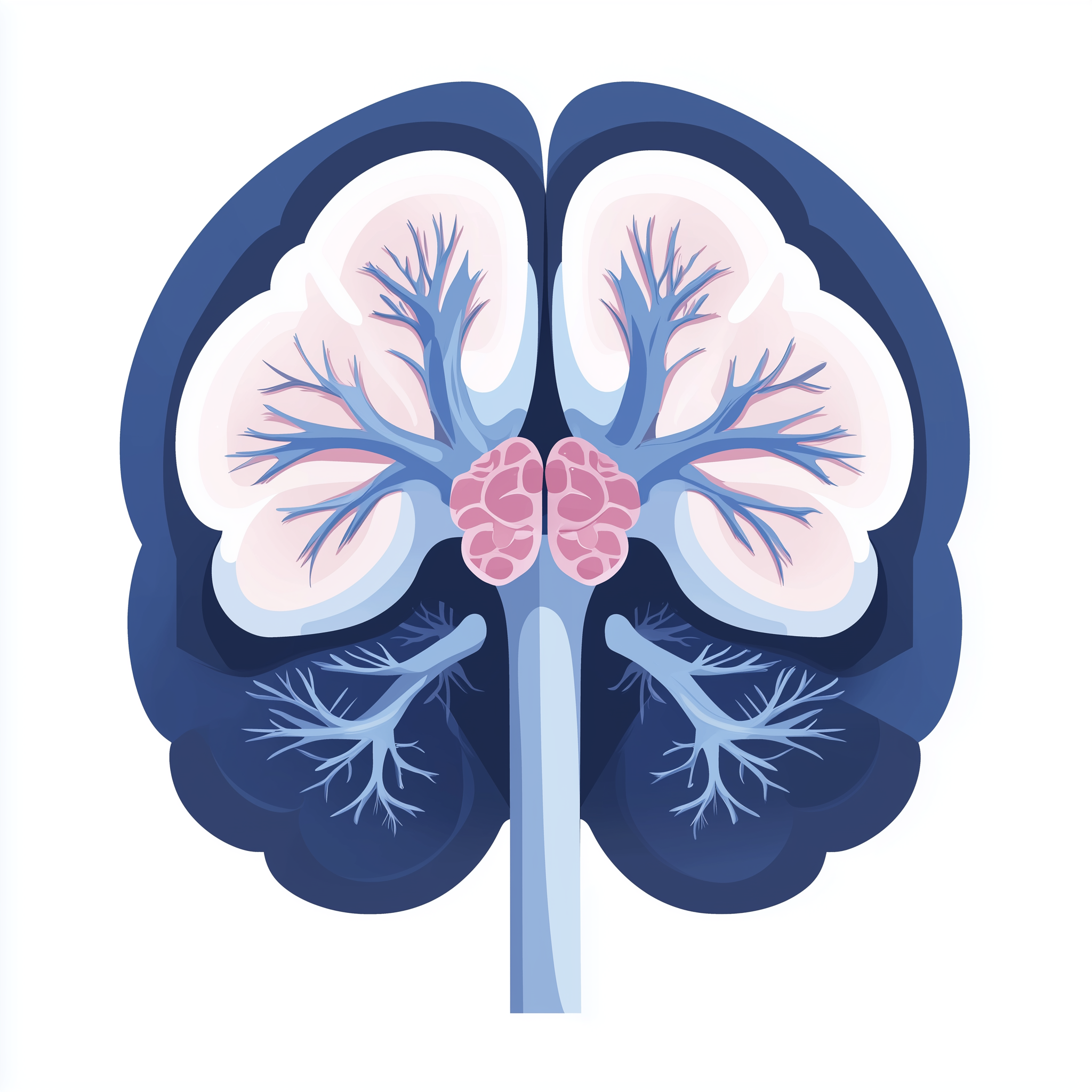
Giant axonal neuropathy primarily affects the nervous system. This includes the peripheral nerves, which carry signals between the brain and spinal cord and the rest of the body, and the central nervous system, comprising the brain and spinal cord. The hallmark axonal swellings can be found throughout these systems. The effects can extend to vision, speech, and intellectual function due to the widespread neurological impact.

Risks & severity
Giant axonal neuropathy is a progressive condition, meaning its symptoms gradually worsen over time. The age of onset is typically in early childhood, often between the ages of one and five years. The severity of the condition can vary, but it generally leads to significant disability [PMID:33658253]. Individuals with GAN often experience increasing muscle weakness, loss of coordination, and sensory deficits, which can eventually lead to reliance on a wheelchair.
While the condition is life-limiting, the exact life expectancy can vary depending on the severity of neurological involvement and the presence of complications such as respiratory issues. However, there is no set typical lifespan, and long-term care and support are essential for managing the symptoms and improving quality of life.
Genetic causes
Giant axonal neuropathy is an inherited condition. While specific causative genes are not detailed in our current reference dataset, it is known to be caused by changes (variants) in certain genes. These genes are responsible for producing proteins that are crucial for the normal structure and function of nerve cells, particularly the axons. When these genes have pathogenic variants, the proteins they produce may be faulty or absent, leading to the characteristic swelling and dysfunction of the axons throughout the nervous system. This disruption impairs the ability of nerves to transmit signals effectively, resulting in the wide range of neurological symptoms observed.
Inheritance pattern
Giant axonal neuropathy typically follows an autosomal recessive inheritance pattern. This means that an individual must inherit two altered copies of the causative gene - one from each parent - to develop the condition. People who have only one altered copy of the gene are known as carriers; they usually do not show symptoms of the condition but can pass the altered gene on to their children.
If both parents are carriers, there is a 25% chance with each pregnancy that their child will inherit two altered gene copies and develop GAN. There is a 50% chance the child will be a carrier like their parents, and a 25% chance the child will inherit two unaffected gene copies and not be a carrier.
When both parents are carriers, each child has a 25% chance of being affected, 50% of being a carrier, and 25% of being unaffected.
Diagnosis & testing
Diagnosing giant axonal neuropathy often begins with clinical observation of symptoms, such as progressive weakness, sensory deficits, and developmental delays, particularly in young children. A definitive diagnosis is typically confirmed through genetic testing, which looks for specific changes in the gene(s) known to cause the condition.
Referral for genetic testing within the NHS in the UK usually comes from a specialist, such as a paediatric neurologist. The NHS Genomic Medicine Service provides genetic testing for rare and inherited conditions under relevant R-codes. Clinical geneticists and genetic counsellors play a key role in guiding families through the diagnostic process and explaining the implications of genetic test results.
Management & lifestyle
As giant axonal neuropathy is a progressive condition, management is primarily supportive and aims to alleviate symptoms and improve quality of life. There is currently no cure for GAN. A multidisciplinary team of specialists, which may include neurologists, physiotherapists, occupational therapists, speech therapists, and ophthalmologists, typically provides care.
Physiotherapy and occupational therapy can help maintain muscle strength, improve mobility, and adapt to increasing physical limitations. Assistive devices, such as braces or wheelchairs, may become necessary as the condition progresses. Management also often involves addressing speech and swallowing difficulties and providing educational support for intellectual disabilities. Regular follow-up appointments with specialists are important to monitor the condition's progression and adjust support as needed.
UK care pathway
In the UK, suspected cases of giant axonal neuropathy would typically be referred to a paediatric neurologist or a clinical genetics service by a GP or other specialist. These services are part of the NHS Genomic Medicine Service (GMS) pathways. Genetic testing for inherited neurological conditions can be accessed through the GMS, often under specific R-codes for neuropathies or neurodegenerative disorders. A clinical geneticist will coordinate the diagnostic testing, and genetic counsellors are available to provide information and support to families regarding inheritance patterns, implications for family members, and future planning.
Frequently asked questions
What is giant axonal neuropathy?
Giant axonal neuropathy is a rare, inherited neurological disorder that causes nerve fibres (axons) in both the peripheral and central nervous systems to swell. This swelling disrupts nerve signalling, leading to progressive weakness, sensory loss, and other neurological problems that typically begin in early childhood.
Is giant axonal neuropathy inherited?
Yes, giant axonal neuropathy is an inherited condition. It follows an autosomal recessive pattern, meaning a child must inherit a faulty copy of the causative gene from each parent to develop the condition. Parents who each carry one faulty copy are typically unaffected themselves.
When do symptoms of giant axonal neuropathy usually start?
Symptoms of giant axonal neuropathy typically begin in early childhood, often between one and five years of age. Initial signs can include an unsteady gait, muscle weakness, and reduced sensation, which then worsen over time.
What is the treatment for giant axonal neuropathy?
Currently, there is no cure for giant axonal neuropathy. Treatment focuses on managing symptoms and providing supportive care. This often involves therapies such as physiotherapy, occupational therapy, and speech therapy to help maintain function and improve quality of life as the condition progresses.
Can genetic counselling help families affected by giant axonal neuropathy?
Yes, genetic counselling is highly recommended for families affected by giant axonal neuropathy. Genetic counsellors can provide detailed information about the inheritance pattern, explain genetic test results, discuss the implications for other family members, and offer emotional support and resources.
References
- Mendell JR, Al-Zaidy SA, Rodino-Klapac LR. Current Clinical Applications of In Vivo Gene Therapy with AAVs. Molecular therapy : the journal of the American Society of Gene Therapy. 2021. PMID: 33309881
- Hentati F, Hentati E, Amouri R. Giant axonal neuropathy. Handbook of clinical neurology. 2013. PMID: 23931822
- Adam MP, Bick S, Mirzaa GM. GAN-Related Neurodegeneration. 1993. PMID: 20301315
- Bharucha-Goebel DX, Todd JJ, Saade D. Intrathecal Gene Therapy for Giant Axonal Neuropathy. The New England journal of medicine. 2024. PMID: 38507752
- Hou X, Li J, Bian J. Giant Axonal Neuropathy. Neurology India. 2024. PMID: 38443049
- Yang Y, Allen E, Ding J. Giant axonal neuropathy. Cellular and molecular life sciences : CMLS. 2007. PMID: 17256086
- Ashrafi MR, Amanat M, Garshasbi M. An update on clinical, pathological, diagnostic, and therapeutic perspectives of childhood leukodystrophies. Expert review of neurotherapeutics. 2020. PMID: 31829048
- Finsterer J, Löscher WN, Wanschitz J. Orphan Peripheral Neuropathies. Journal of neuromuscular diseases. 2021. PMID: 32986679