

On this page
Gerstmann-Sträussler-Scheinker syndrome
GSS is a neurodegenerative condition caused by changes in the PRNP gene, leading to abnormal protein accumulation in the brain. It typically manifests in mid-adulthood, causing difficulties with balance, speech, and cognitive decline.
Overview
Gerstmann-Sträussler-Scheinker syndrome (GSS) is a very rare, inherited neurological condition that gradually damages the brain. It is considered a prion disease, a group of disorders where normally harmless proteins in the brain misfold and accumulate, leading to widespread brain cell damage. GSS typically begins in mid-adulthood, often between the ages of 30 and 60, though onset can vary [PMID:33658564]. The progression of the condition is slow, usually taking several years from symptom onset. Its rarity means that exact prevalence figures are not well established, but it is known to affect a very small number of individuals worldwide.
Symptoms & clinical features
The initial symptoms of GSS often involve difficulties with coordination and balance, described as ataxia, which can make walking unsteady. Over time, these issues become more pronounced. Individuals may also experience dysarthria, which is difficulty with clear speech, and dysphagia, problems with swallowing. As the condition progresses, cognitive functions can decline, affecting memory, reasoning, and other intellectual abilities, eventually leading to dementia [PMID:33658564]. Other neurological signs can include muscle stiffness, hearing impairment, and visual disturbances. The specific symptoms and their severity can vary between affected individuals, even within the same family.
Video: Genetics 101
Affected organs
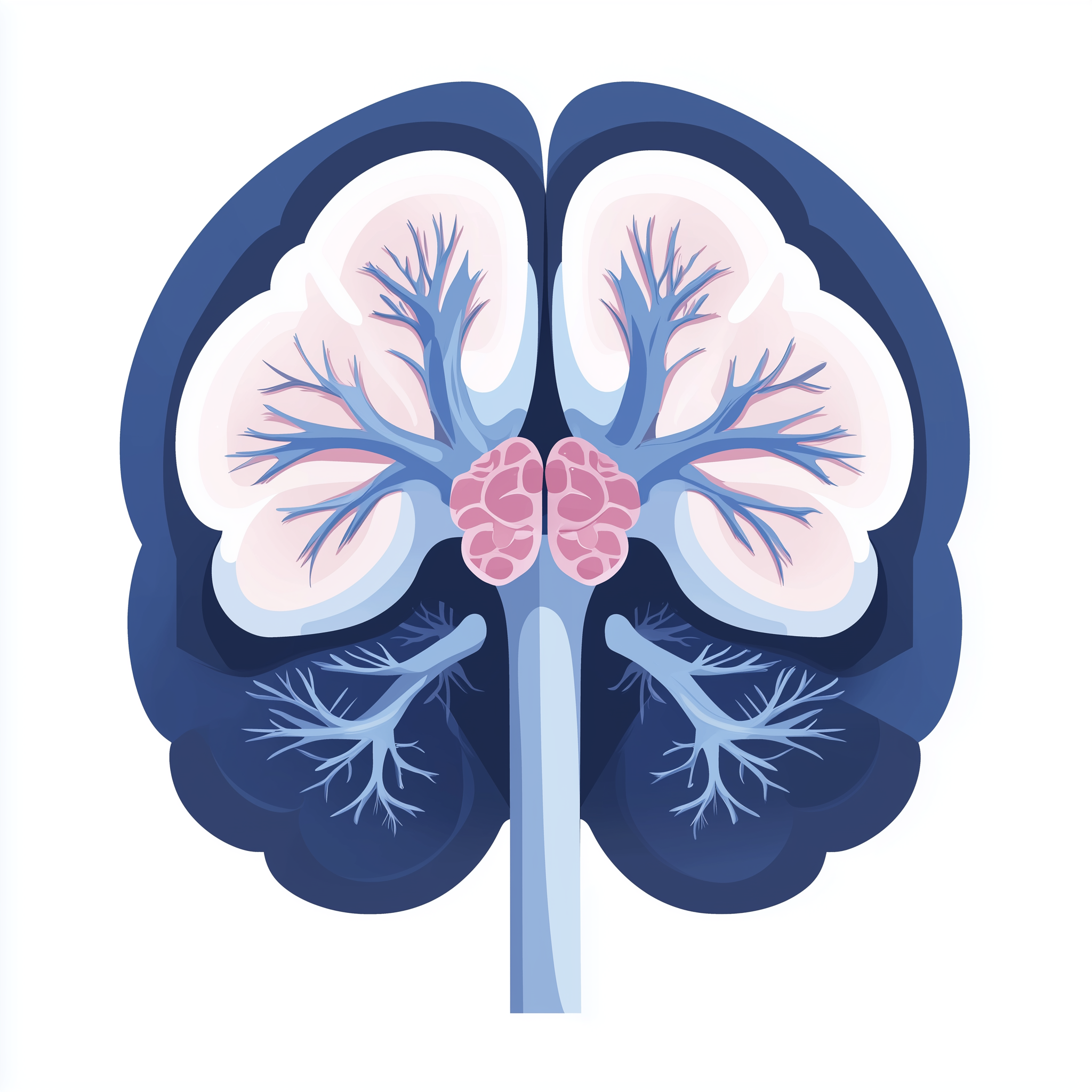
GSS primarily affects the brain, especially regions involved in movement, coordination, and cognitive function. The characteristic feature of prion diseases like GSS is the aggregation of abnormal prion protein in brain tissue, forming amyloid plaques. This protein build-up causes progressive damage to nerve cells, leading to atrophy (shrinkage) in affected parts of the brain. The cerebellum, which is crucial for balance and coordination, is often particularly impacted, explaining the prominent early symptoms related to movement.

Risks & severity
GSS is a progressive neurological disorder, meaning symptoms worsen over time. The age of onset usually ranges from 30 to 60 years, but it can occur earlier or later. Once symptoms begin, the condition typically progresses over several years, often between 2 and 10 years, though this can vary considerably among individuals. The severity of symptoms and the rate of progression differ depending on the specific genetic change and other individual factors. Ultimately, GSS leads to severe neurological impairment [PMID:33658564]. As it is an inherited condition, individuals with a family history may be at an increased risk.
Genetic causes
Gerstmann-Sträussler-Scheinker syndrome is caused by pathogenic variants in the PRNP gene. This gene provides instructions for making a protein called the prion protein, or PrP. The normal, healthy form of PrP is found throughout the body, especially on the surface of nerve cells in the brain. While its precise function is not fully understood, it is thought to play a role in cell signalling, cell protection, and maintaining the myelin sheath that insulates nerve fibres [PMID:24510346]. Pathogenic variants in PRNP lead to the production of an abnormally shaped PrP. This misfolded protein is highly stable and resistant to degradation, causing it to accumulate in the brain. These abnormal protein aggregates, known as prions, disrupt normal brain function and contribute to the progressive damage seen in GSS.
- PRNP prion protein (Kanno blood group)
Inheritance pattern
GSS follows an autosomal dominant inheritance pattern. This means that an individual only needs to inherit one copy of the altered PRNP gene from either parent to develop the condition. If a parent has a pathogenic variant in the PRNP gene, each of their children has a 50% chance of inheriting that variant and, consequently, of developing GSS. This pattern applies equally to male and female offspring. Individuals who do not inherit the variant will not develop GSS and cannot pass it on to their own children.
Each child has a 50% chance of inheriting the pathogenic variant, regardless of sex.
Diagnosis & testing
Diagnosing GSS typically involves a combination of clinical evaluation, imaging, and genetic testing. A neurologist will assess symptoms like ataxia, dysarthria, cognitive decline, and review family medical history. Magnetic resonance imaging (MRI) of the brain may show characteristic changes, such as brain atrophy or specific signal abnormalities, but these are not always definitive on their own. The definitive diagnosis of GSS is confirmed through genetic testing, which identifies pathogenic variants in the PRNP gene [PMID:33658564]. In the UK, genetic testing for suspected inherited neurological conditions, including GSS, can be accessed via the NHS Genomic Medicine Service. A referral to a clinical genetics service is usually made by a neurologist or other specialist, and testing may fall under specific R-codes related to inherited dementias or movement disorders.
Management & lifestyle
Currently, there is no cure for GSS, and treatment focuses on managing symptoms to improve quality of life. This may involve a multidisciplinary approach, including neurological care, physical therapy to help with mobility and balance, and speech therapy for issues with articulation and swallowing. Occupational therapy can assist with adapting daily activities as cognitive and physical abilities change. Medications may be prescribed to address specific symptoms like muscle stiffness or anxiety. Regular follow-up with a neurologist is important to monitor disease progression and adjust management strategies. Genetic counsellors can provide support and information about the inheritance pattern, implications for family members, and assist with family planning decisions within the NHS framework.
UK care pathway
In the UK, suspected cases of inherited neurodegenerative conditions like Gerstmann-Sträussler-Scheinker syndrome are typically referred to specialist NHS services. Patients will often first see a neurologist who can assess their symptoms and consider appropriate investigations. If an inherited condition is suspected, a referral to a clinical genetics service is the next step. Genetic counsellors within these services provide essential support, explaining the condition, inheritance patterns, and testing options. This pathway aligns with the NHS Genomic Medicine Service, which facilitates access to advanced genomic testing, often covered by relevant PanelApp R-codes for inherited neurological disorders.
Frequently asked questions
What is a prion disease?
Prion diseases are a group of rare, progressive neurodegenerative disorders. They are caused by the build-up of abnormally folded proteins (prions) in the brain, which leads to brain cell damage and a decline in neurological function.
If I have GSS, will my children get it?
GSS is an autosomal dominant condition. This means that if you have GSS, each of your children has a 50% chance of inheriting the pathogenic gene variant. A genetic counsellor can provide detailed information and support regarding family planning.
Is there a cure for Gerstmann-Sträussler-Scheinker syndrome?
Currently, there is no cure for GSS. Management focuses on supportive care to help manage symptoms, maintain comfort, and maximise quality of life for as long as possible.
How is GSS different from other dementias?
While GSS involves cognitive decline, similar to other dementias, its primary characteristic involves specific movement and coordination issues often appearing before significant cognitive decline. It also has a distinct genetic cause related to the PRNP gene and prion protein accumulation, which differentiates it from conditions like Alzheimer's disease.
What kind of doctors treat GSS?
Individuals with GSS are typically cared for by a team of specialists, including neurologists, physical therapists, speech and language therapists, occupational therapists, and genetic counsellors.
References
- Piñar-Morales R, Barrero-Hernández F, Aliaga-Martínez L. Human prion diseases: An overview. Medicina clinica. 2023. PMID: 37088611
- Baldwin KJ, Correll CM. Prion Disease. Seminars in neurology. 2019. PMID: 31533183
- Geschwind MD. Prion Diseases. Continuum (Minneapolis, Minn.). 2015. PMID: 26633779
- Islam MT. Oxidative stress and mitochondrial dysfunction-linked neurodegenerative disorders. Neurological research. 2017. PMID: 27809706
- Adam MP, Bick S, Mirzaa GM. Genetic Prion Disease. 1993. PMID: 20301407
- Collins SJ, Lawson VA, Masters CL. Transmissible spongiform encephalopathies. Lancet (London, England). 2004. PMID: 14723996
- Brown K, Mastrianni JA. The prion diseases. Journal of geriatric psychiatry and neurology. 2010. PMID: 20938044
- Possin KL, Kaufer DI. Parkinsonian dementias. Continuum (Minneapolis, Minn.). 2010. PMID: 22810281