

On this page
FOXG1 syndrome
This rare genetic condition primarily affects brain development, leading to conditions such as severe global developmental delay, epilepsy, and movement disorders. It typically becomes apparent in early infancy.
Overview
FOXG1 syndrome is a rare, complex neurodevelopmental disorder that affects the growth and development of the brain. Individuals with this syndrome often experience a range of neurological symptoms, including severe global developmental delay, meaning milestones like sitting, walking, and talking are significantly delayed or not achieved. Other common features include epilepsy, which can manifest as various types of seizures, and involuntary movements, such as chorea (abnormal, jerky movements) or dystonia (sustained muscle contractions causing twisting or repetitive movements) [PMID:33678567].
The condition is caused by changes in the FOXG1 gene, which is critical for normal brain development. Most cases are believed to arise spontaneously rather than being inherited from a parent. Due to its rarity, the exact prevalence of FOXG1 syndrome is not well established, but it is considered a very uncommon disorder affecting children from birth.
Symptoms & clinical features
The symptoms of FOXG1 syndrome typically emerge in early infancy and can vary in their presentation and severity between individuals. A hallmark feature is profound global developmental delay, impacting motor skills, speech, and cognitive abilities. Children may struggle with or fail to achieve developmental milestones such as head control, rolling over, sitting independently, or walking [PMID:33678567]. Communication difficulties are also common, often with limited or no speech development.
Epilepsy is frequently observed in individuals with FOXG1 syndrome, with a variety of seizure types reported, including infantile spasms. Many affected children also develop movement disorders. These can include dyskinesia, which are uncontrolled or involuntary movements, often affecting the limbs and trunk. Some children might experience microcephaly (a smaller head size than average) and feeding difficulties, sometimes requiring specialised support or tube feeding. Sleep disturbances are also commonly reported.
Video: Genetics 101
Affected organs
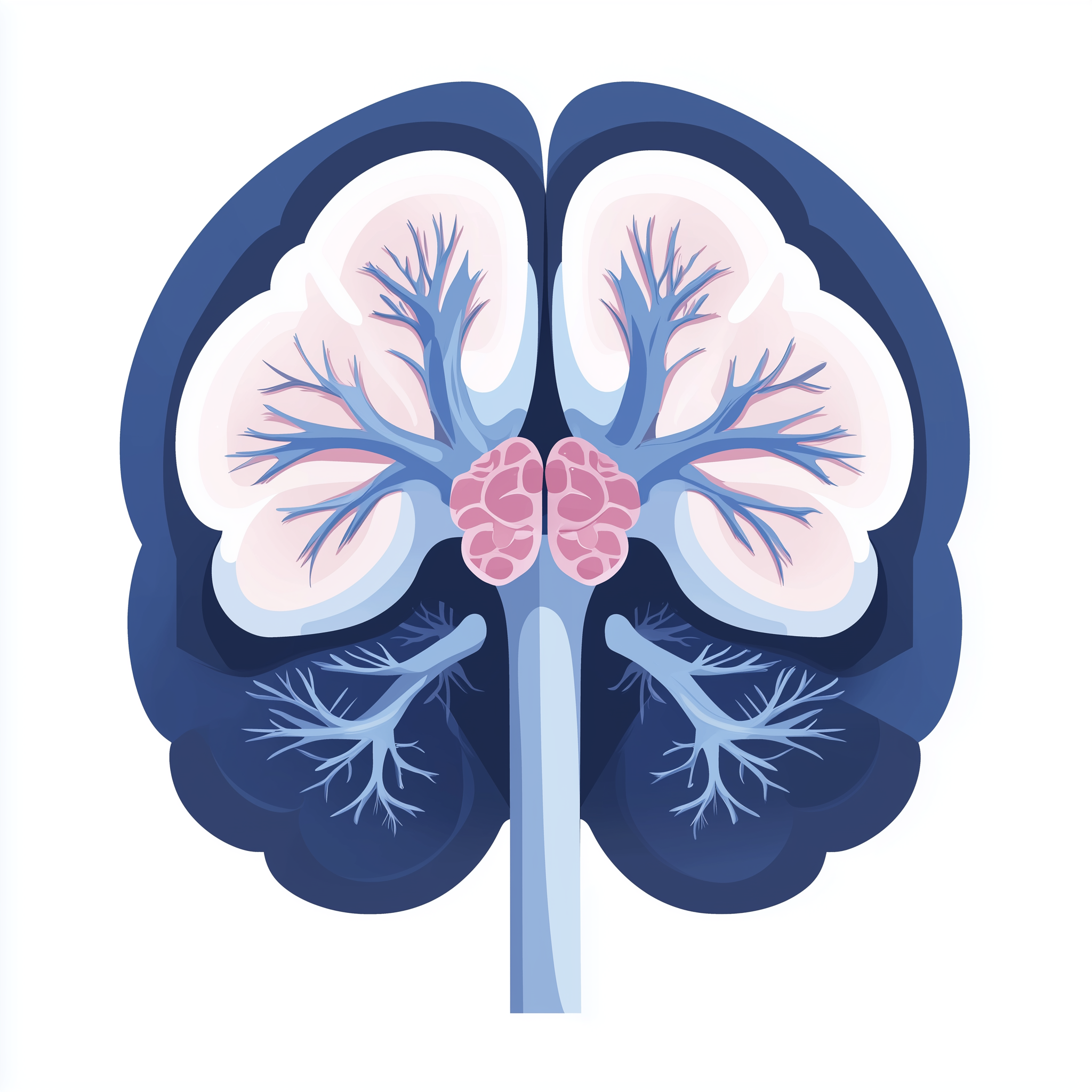
FOXG1 syndrome primarily affects the brain, leading to its characteristic neurological symptoms. The FOXG1 gene plays a crucial role in early brain development, particularly in forming the forebrain - the region responsible for higher-level functions like thought, emotion, and voluntary movement. Abnormalities in brain structure, such as reduced size (microcephaly) or problems with the corpus callosum (the band of nerve fibres connecting the two brain hemispheres), are frequently observed [PMID:33678567].
While the brain is the primary organ affected, the neurological dysfunction can indirectly impact other bodily systems. For example, feeding difficulties can arise from issues with coordination and muscle control, and severe motor impairment can lead to orthopaedic concerns.

Risks & severity
FOXG1 syndrome generally leads to severe and lifelong developmental challenges. The severity can vary, but individuals typically face significant global developmental delay, meaning they will require substantial support throughout their lives. Epilepsy can be difficult to control in some cases, and the movement disorders can impact mobility and daily activities.
The condition is present from birth, and symptoms usually become apparent during infancy. Prognosis data is limited due to the rarity of the syndrome, but individuals often require extensive medical and therapeutic care. There are no specific risk factors beyond the genetic change in the FOXG1 gene itself; it is not typically associated with lifestyle or environmental factors.
Genetic causes
FOXG1 syndrome is caused by pathogenic variants, also known as mutations, in the FOXG1 gene (forkhead box G1). The FOXG1 gene provides instructions for making a protein that acts as a transcription factor. Transcription factors are proteins that help control which genes are turned on or off in a cell. The FOXG1 protein is particularly important during early embryonic development, where it plays a critical role in the formation and growth of the forebrain, the front part of the brain that governs complex functions [PMID:33678567].
When there is a pathogenic variant in the FOXG1 gene, the protein may not be produced correctly, or it may not function as it should. This disruption to the gene's usual role in specifying brain cell identity and positioning leads to the abnormal brain development observed in individuals with FOXG1 syndrome. This can involve the whole gene being duplicated (an extra copy), deleted (a missing copy), or having small changes in its DNA sequence.
- FOXG1 forkhead box G1
Inheritance pattern
FOXG1 syndrome typically follows an autosomal dominant inheritance pattern. This means that a person only needs one altered copy of the FOXG1 gene in each cell to develop the condition. Most cases of FOXG1 syndrome are considered 'de novo' occurrences [PMID:24606132]. This means the genetic change happened spontaneously in the affected individual and was not inherited from either parent. In such cases, neither parent carries the pathogenic variant in their cells.
Since most cases are de novo, the chance of parents having another child with FOXG1 syndrome is generally low, similar to the general population risk. However, there is a small theoretical risk of parental germline mosaicism, where a parent might carry the genetic change in some, but not all, of their reproductive cells without showing symptoms themselves. Genetic counselling can help families understand these risks and discuss options for future pregnancies.
Each child has a 50% chance of inheriting the pathogenic variant, regardless of sex.
Diagnosis & testing
Diagnosing FOXG1 syndrome typically involves a combination of clinical evaluation and genetic testing. A paediatrician or neurologist may suspect the condition based on the presence of severe developmental delay, epilepsy, and characteristic movement disorders, especially if accompanied by microcephaly or specific brain imaging findings. Brain imaging, such as an MRI scan, can reveal structural abnormalities consistent with the syndrome [PMID:24606132].
Confirmation of FOXG1 syndrome requires genetic testing, usually through a blood sample. This testing looks for pathogenic variants in the FOXG1 gene. Genetic tests commonly include gene panel testing for neurodevelopmental disorders or whole exome sequencing. In the UK, genetic testing for suspected cases would typically be accessed via the NHS Genomic Medicine Service, often following referral from a specialist paediatrician or clinical geneticist. Relevant NHS national genomic test directories are used for testing, which may include R-codes such as R407 Severe intellectual disability or R409 Epilepsy. A diagnosis is confirmed when a pathogenic or likely pathogenic variant in the FOXG1 gene is identified.
Management & lifestyle
The management of FOXG1 syndrome focuses on supporting the individual's needs through multidisciplinary care, as there is currently no cure for the underlying genetic cause. Care plans typically involve a team of specialists, including paediatricians, neurologists, physiotherapists, occupational therapists, speech and language therapists, and dieticians.
Treatments are primarily symptomatic and aimed at improving quality of life. For example, anti-epileptic medications are used to manage seizures, and various therapies help address developmental delays and movement difficulties. Regular monitoring for potential complications is also important. Families can access support services through the NHS and various charities, and genetic counsellors can provide essential information and guidance regarding the condition and its inheritance.
UK care pathway
In the UK, individuals suspected of having FOXG1 syndrome would typically enter the NHS Genomic Medicine Service (GMS) pathway. Referral to a clinical geneticist or a specialist paediatrician is often the first step, enabling access to appropriate diagnostic genetic testing as outlined in the NHS National Genomic Test Directory. This might involve tests covered by R-codes such as R407 for severe intellectual disability or R409 for epilepsy. Following diagnosis, individuals and their families can receive support and information from clinical genetics teams, including genetic counsellors, who help explain the condition, its inheritance, and implications for other family members.
Frequently asked questions
What is the life expectancy for someone with FOXG1 syndrome?
Data on life expectancy for FOXG1 syndrome is limited due to its rarity. However, it is a severe condition that often leads to significant health challenges, and affected individuals typically require lifelong care and support. The focus of care is on managing symptoms and optimising quality of life.
Can FOXG1 syndrome be inherited?
Most cases of FOXG1 syndrome are not inherited from a parent. Instead, the genetic change typically occurs spontaneously in the affected individual. This is called a 'de novo' pathogenic variant. Genetic counselling can provide specific risk information for families.
Are there any treatments for FOXG1 syndrome?
Currently, there is no specific cure for FOXG1 syndrome. Management focuses on treating the symptoms, such as anti-epileptic medications for seizures and various therapies (e.g., physiotherapy, occupational therapy, speech therapy) to support development and address movement difficulties. This multidisciplinary approach aims to improve the individual's quality of life.
How is FOXG1 syndrome diagnosed in the UK?
In the UK, FOXG1 syndrome is diagnosed through genetic testing, typically following a clinical suspicion from a paediatrician or neurologist. This testing, often accessed via the NHS Genomic Medicine Service, involves analysing a blood sample to look for pathogenic changes within the FOXG1 gene. Brain imaging like MRI may also support the clinical suspicion.
What kind of support is available for families affected by FOXG1 syndrome?
Families affected by FOXG1 syndrome in the UK can access support through clinical genetics services, including genetic counsellors. Various NHS multidisciplinary teams provide ongoing medical and therapeutic care. Additionally, patient support organisations and charities can offer valuable resources, peer support, and information.
References
- Adam MP, Bick S, Mirzaa GM. FOXG1 Syndrome. 1993. PMID: 38843374
- D'Mello SR. Rett and Rett-related disorders: Common mechanisms for shared symptoms? Experimental biology and medicine (Maywood, N.J.). 2023. PMID: 38057990
- Wong LC, Huang CH, Chou WY. The clinical and sleep manifestations in children with FOXG1 syndrome. Autism research : official journal of the International Society for Autism Research. 2023. PMID: 36942618
- Rhodes C, Rees B, Dubbs H. Natural history of epilepsy in FOXG1 Syndrome. Epilepsy research. 2025. PMID: 40882535
- Akol I, Gather F, Vogel T. Paving Therapeutic Avenues for FOXG1 Syndrome: Untangling Genotypes and Phenotypes from a Molecular Perspective. International journal of molecular sciences. 2022. PMID: 35055139
- Brimble E, Ventola P, Blomenberg E. Longitudinal characterization of clinical, developmental, and behavioral phenotypes in 101 children and adults with FOXG1 syndrome. Journal of neurodevelopmental disorders. 2025. PMID: 41136907
- Xu F, Chen G, Jeon S. Foxg1 gene mutation impairs auditory cortex response and reduces sound tolerance. Cerebral cortex (New York, N.Y. : 1991). 2025. PMID: 40561474
- Bjerregaard VA, Levy AM, Batz MS. Involvement of Mitochondrial Dysfunction in FOXG1 Syndrome. Genes. 2023. PMID: 36833172