

On this page
Familial thoracic aortic aneurysm (PRKG1)
This condition can lead to life-threatening complications if not managed, including aortic dissection or rupture. It typically affects adults, and family members may also be at risk due to its inherited nature.
Overview
Familial thoracic aortic aneurysm (FTAA) linked to PRKG1 is a genetic disorder characterised by the abnormal enlargement or ballooning of the thoracic aorta, the part of the aorta located in the chest. The aorta is the largest blood vessel in the body and carries oxygenated blood from the heart to the rest of the body. When the aorta weakens and expands, it forms an aneurysm, which can be dangerous if it ruptures or dissects (tears through its layers) [PMID:23792072]. This condition is considered rare.
Symptoms & clinical features
Individuals with familial thoracic aortic aneurysm (PRKG1) typically do not experience symptoms until an aneurysm becomes large enough to press on nearby structures, or if an aortic dissection occurs. Symptoms in such cases can include sudden, severe chest or back pain, shortness of breath, difficulty swallowing, or hoarseness. Early diagnosis, often through family screening or incidental findings during other medical investigations, is crucial because symptoms often signal a late-stage or emergency event. Regular monitoring can help detect these changes before symptoms develop.
Video: Genetics 101
Affected organs
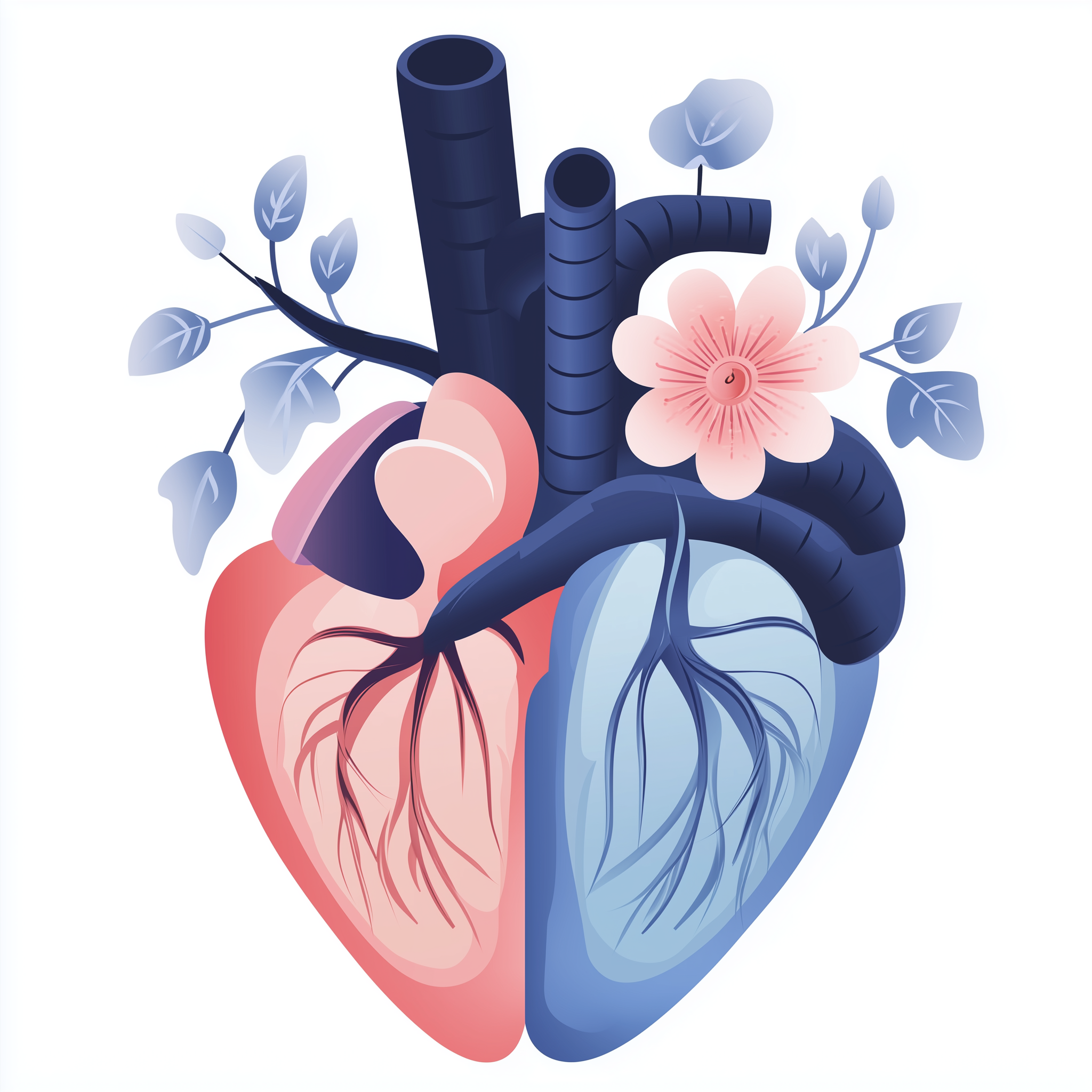
The primary organ affected is the aorta, specifically the thoracic segment. The aorta's role is to transport blood from the heart. An aneurysm refers to an abnormal bulge or ballooning in the wall of this blood vessel. Over time, the weakness in the aortic wall can lead to progressive enlargement. If an aneurysm grows too large, there is a risk of severe complications, including dissection (a tear in the inner layer of the aorta) or rupture (a complete break in the aortic wall), both of which are medical emergencies [PMID:23792072].

Risks & severity
The severity of FTAA (PRKG1) can vary, even within the same family. The main risks associated with this condition are aortic dissection and rupture, which are life-threatening events. The age at which these complications occur can differ, but they are generally seen in adulthood. Regular surveillance is vital to monitor the size and growth rate of the aneurysm. The risk of complications generally increases as the aneurysm grows larger. Early identification of at-risk individuals through genetic testing and screening allows for proactive monitoring and potential preventative interventions, which can significantly improve outcomes [PMID:23792072].
Genetic causes
Familial thoracic aortic aneurysm can be caused by pathogenic variants in the PRKG1 gene. The PRKG1 gene provides instructions for making a protein called cGMP-dependent protein kinase 1. This protein is important for the normal function of smooth muscle cells, which are found in the walls of blood vessels, including the aorta. It plays a role in regulating the contraction and relaxation of these smooth muscle cells [PMID:23792072]. Pathogenic variants in PRKG1 can disrupt the normal function of this protein, leading to weakening of the aortic wall. This weakening makes the aorta more susceptible to enlargement and the formation of an aneurysm, ultimately increasing the risk of dissection or rupture.
- PRKG1 protein kinase cGMP-dependent 1
Inheritance pattern
Familial thoracic aortic aneurysm associated with PRKG1 follows an autosomal dominant inheritance pattern. This means that a person only needs to inherit one copy of the altered PRKG1 gene from a parent to develop the condition. If a parent has a pathogenic variant in PRKG1, there is a 50% chance each of their children will inherit the variant and be at risk of developing the condition. The condition can also arise from a new, spontaneous genetic change (a de novo variant) in an individual with no family history, though this is less common for inherited conditions. Both males and females are affected equally.
Each child has a 50% chance of inheriting the pathogenic variant, regardless of sex.
Diagnosis & testing
Diagnosing familial thoracic aortic aneurysm typically involves imaging techniques such as echocardiography, CT scans, or MRI scans to visualise the aorta and measure its size. Genetic testing for pathogenic variants in PRKG1 can confirm the diagnosis, especially when there is a family history of aortic disease. In the UK, genetic testing for inherited aortic conditions, including those associated with PRKG1, can be accessed through the NHS Genomic Medicine Service. A referral to a clinical genetics service is generally made by a cardiologist or other specialist if an inherited cause is suspected. The relevant NHS R-code for genomic testing for familial aortic aneurysm and dissection is R143.
Management & lifestyle
Management of familial thoracic aortic aneurysm (PRKG1) focuses on regular monitoring, controlling blood pressure, and, if necessary, surgical repair of the aorta. Regular imaging scans are used to track the size and growth of the aneurysm. Medications, such as beta-blockers or angiotensin receptor blockers, may be prescribed to help lower blood pressure and reduce stress on the aortic wall. Surgical repair of the aorta is considered when the aneurysm reaches a certain size or if it is growing rapidly, to prevent dissection or rupture. Decisions about management are made collaboratively by a multidisciplinary team of specialists, including cardiologists, geneticists, and cardiothoracic surgeons, often in specialist NHS centres. Genetic counsellors offer support and information to affected individuals and their families [PMID:28795579].
UK care pathway
In the UK, individuals suspected of having familial thoracic aortic aneurysm (PRKG1) are typically referred to specialist NHS services. This often begins with a referral from a GP to a cardiology or clinical genetics department. The NHS Genomic Medicine Service provides genomic testing pathways, referenced by specific R-codes such as R143 for familial aortic aneurysm and dissection, which help guide appropriate genetic testing. Clinical geneticists and genetic counsellors play a vital role, offering expert advice, coordinating testing, and discussing the implications of genetic results for individuals and their wider families. They also help explain surveillance and management options within the NHS framework.
Frequently asked questions
How often do I need to be monitored if I have familial thoracic aortic aneurysm (PRKG1)?
The frequency of monitoring, usually through imaging such as echocardiograms or MRI/CT scans, will depend on the size of your aorta, its growth rate, and your doctor's clinical assessment. Your specialist will create a personalised surveillance plan for you.
Can children inherit familial thoracic aortic aneurysm (PRKG1)?
Yes, because this condition follows an autosomal dominant inheritance pattern, each child of an affected parent has a 50% chance of inheriting the altered PRKG1 gene. Genetic counselling can provide more specific information and support for families.
Is surgery always needed for familial thoracic aortic aneurysm (PRKG1)?
Not always. Surgery is typically considered when the aneurysm reaches a certain size that carries a higher risk of complications or if it is growing quickly. Many individuals are managed with regular monitoring and blood pressure control for a long time before surgery becomes necessary.
What lifestyle changes can help manage this condition?
Maintaining a healthy lifestyle, including regular moderate exercise, a balanced diet, and avoiding smoking, can be beneficial. Strict control of blood pressure, often with medication, is also very important. Always discuss any lifestyle changes with your healthcare team to ensure they are appropriate for your specific condition [PMID:28795579].
Where can I find support in the UK for familial thoracic aortic aneurysm?
In the UK, support is available through specialist NHS clinics, including clinical genetics services and cardiology departments. Organisations such as the Marfan Trust and British Heart Foundation also offer valuable resources and support for individuals with aortic conditions, even though PRKG1 is distinct from Marfan syndrome. Your genetic counsellor can provide details on specific patient support groups.