

On this page
Episodic ataxia type 1
EA1 causes unpredictable episodes of impaired coordination and muscle stiffness, often triggered by stress or exercise. It typically begins in childhood or adolescence and is caused by genetic changes affecting nerve function.
Overview
Episodic Ataxia Type 1 (EA1) is a rare inherited neurological condition that primarily affects coordination and balance. Individuals with EA1 experience sudden, temporary episodes of ataxia, which refers to a lack of muscle control or coordination. These episodes typically involve problems with walking, balance, and fine motor skills. They can last from seconds to minutes and may be triggered by factors such as stress, sudden movements, or exercise [PMID:16823528].
Beyond the episodic attacks, many people with EA1 also experience myokymia, which is a continuous, involuntary rippling or twitching of muscles, particularly in the face and hands. This can be present even between episodes of ataxia. EA1 usually becomes apparent in childhood or early adolescence.
Symptoms & clinical features
The main symptom of Episodic Ataxia Type 1 is the occurrence of brief, unpredictable attacks of ataxia. During these episodes, individuals may experience difficulty with balance and coordination, leading to an unsteady gait, slurred speech (dysarthria), and problems with precise movements. These attacks are often short-lived, typically lasting from a few seconds to a few minutes, but their sudden onset can be disruptive.
Another prominent feature of EA1 is myokymia. This symptom involves persistent, worm-like muscle twitching that can be seen under the skin, most commonly in the muscles around the eyes, in the face, and in the hands. Unlike the episodic ataxia, myokymia is often continuous, even when an individual is not experiencing an ataxic episode [PMID:33671233]. Some individuals may also report muscle stiffness or cramps, particularly during attacks. Triggers for episodes can vary but commonly include emotional stress, physical exertion, and sudden changes in movement.
Video: Genetics 101
Affected organs
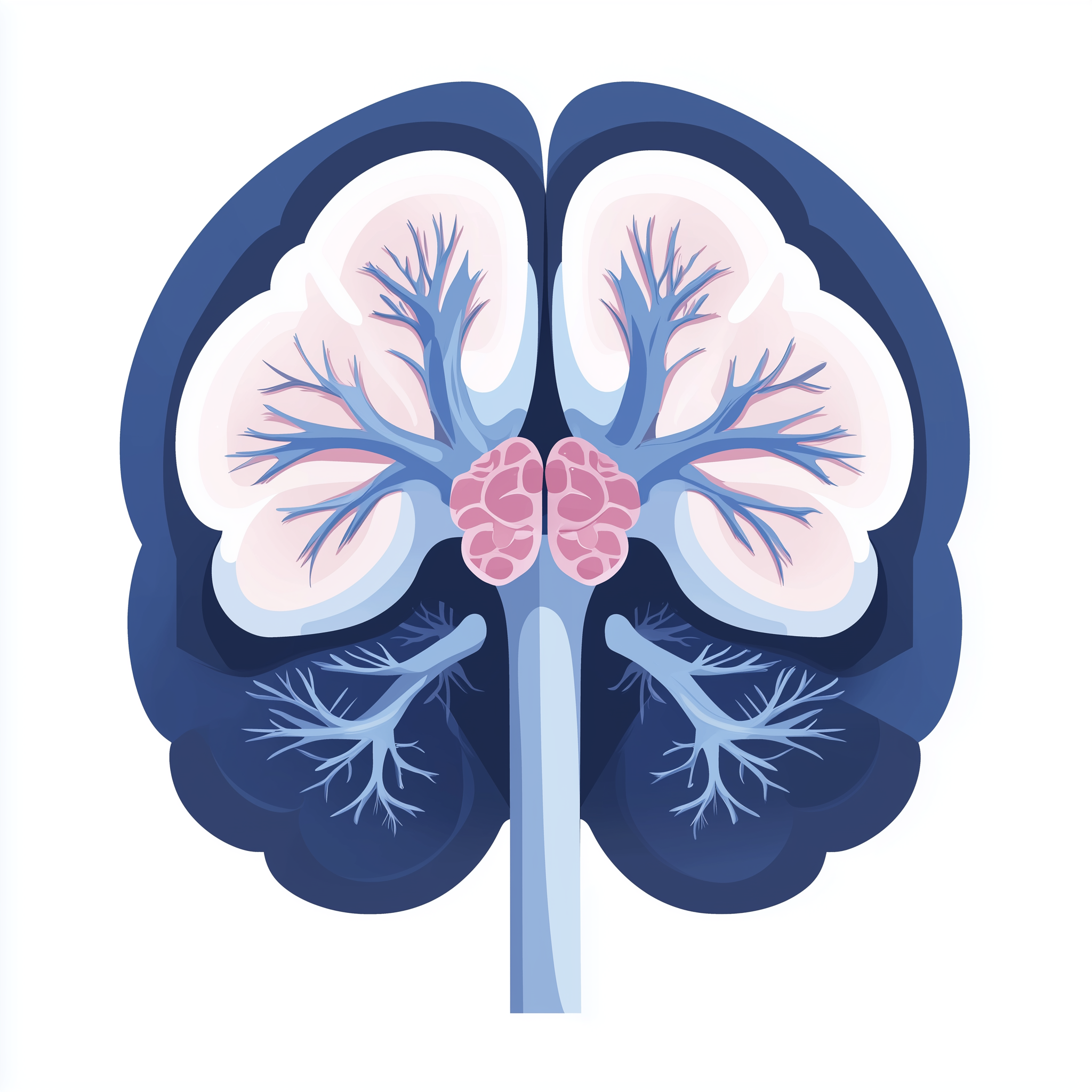
EA1 primarily affects the nervous system, particularly the cerebellum, which is the part of the brain responsible for coordinating voluntary movements, balance, and posture. The condition also impacts peripheral nerves, leading to symptoms like myokymia. While the effects are mainly neurological, the condition does not typically cause progressive damage to these organs; rather, it disrupts their normal electrical signalling. The heart and other organs are generally not directly affected by EA1.

Risks & severity
The severity and frequency of ataxic episodes in EA1 can vary significantly among individuals, even within the same family. Some people might experience only occasional, mild episodes, while others may have more frequent and debilitating attacks. The myokymia can also range from barely noticeable to more widespread and bothersome.
EA1 is considered a rare condition, though its exact prevalence is not well established. The condition typically manifests in childhood or early adolescence, with symptoms often becoming noticeable in the first or second decade of life. While EA1 is a lifelong condition, it is generally not considered progressive in the way many other ataxias are; the underlying neurological function remains relatively stable, though symptom frequency and intensity can fluctuate over time. There is no increased risk of reduced life expectancy associated with EA1 itself [PMID:16823528].
Genetic causes
Episodic Ataxia Type 1 is caused by pathogenic variants in the KCNA1 gene. This gene provides instructions for making a protein called Kv1.1. The Kv1.1 protein is a crucial component of voltage-gated potassium channels, which are pores in the cell membranes of nerve cells.
These potassium channels play a vital role in controlling the electrical signals (nerve impulses) in the brain and nervous system. They regulate how quickly nerve cells can reset after firing, which is essential for proper nerve function. Pathogenic changes in KCNA1 can disrupt the normal function of these potassium channels, leading to an imbalance in nerve excitability [PMID:33671233]. This altered electrical activity in nerve cells is believed to be responsible for both the episodic ataxia and the continuous myokymia observed in EA1.
- KCNA1 potassium voltage-gated channel subfamily A member 1The KCNA1 gene provides instructions for a key component of potassium channels, which are vital for electrical signal transmission in the nervous system.
Inheritance pattern
Episodic Ataxia Type 1 follows an autosomal dominant inheritance pattern. This means that a person only needs to inherit one copy of the altered KCNA1 gene from a parent to develop the condition. If a parent has EA1, there is a 50% chance with each pregnancy that their child will inherit the pathogenic variant and also develop the condition, regardless of the child's sex.
EA1 can also occur in individuals with no family history of the condition. This happens when a new (de novo) pathogenic variant arises in the KCNA1 gene during the formation of the egg or sperm, or very early in embryonic development. In such cases, the affected individual can then pass the condition on to their children in an autosomal dominant manner.
Each child has a 50% chance of inheriting the pathogenic variant, regardless of sex.
Diagnosis & testing
A diagnosis of Episodic Ataxia Type 1 is typically suspected based on an individual's clinical symptoms, including recurrent episodes of ataxia and the presence of myokymia. A neurologist will often evaluate these symptoms and may conduct a thorough neurological examination. To confirm the diagnosis, genetic testing for pathogenic variants in the KCNA1 gene is usually performed.
In the UK, genetic testing for suspected EA1 is typically accessed through the NHS Genomic Medicine Service. A clinical geneticist or neurologist can refer individuals for testing, often under specific National Genomic Test Directory R-codes. Genetic counselling is an integral part of this process, providing information about the condition, inheritance patterns, and what a genetic diagnosis might mean for the individual and their family.
Management & lifestyle
While there is currently no cure for Episodic Ataxia Type 1, management focuses on reducing the frequency and severity of symptoms. Certain medications, particularly anti-epileptic drugs such as acetazolamide or carbamazepine, may help to lessen the number of ataxic episodes and reduce myokymia for some individuals [PMID:16823528]. Treatment decisions are made by a specialist healthcare team based on an individual's specific symptoms and response to medication.
Lifestyle adjustments can also be beneficial. Identifying and avoiding triggers for episodes, such as stress, caffeine, or certain types of physical exertion, may help manage the condition. Regular follow-up with a neurologist is important to monitor symptoms and adjust treatment as needed. Physical therapy might be recommended to help improve balance and coordination, and genetic counselling is available to discuss the implications of the diagnosis.
UK care pathway
In the UK, individuals suspected of having Episodic Ataxia Type 1 would typically be referred to a neurologist or clinical geneticist within the NHS. Genetic testing for KCNA1 is available through the NHS Genomic Medicine Service (GMS) as part of the National Genomic Test Directory, often under specific R-codes for episodic ataxias. Following a diagnosis, care is usually coordinated by a neurologist, with access to genetic counsellors for support and information regarding inheritance and family planning. The overall aim is to provide a comprehensive and coordinated approach to diagnosis and ongoing management.
Frequently asked questions
What triggers an EA1 episode?
Episodes of ataxia in EA1 can be triggered by various factors, including emotional stress, sudden movements, physical exercise, or being startled. Identifying and trying to avoid personal triggers can sometimes help reduce episode frequency.
Is Episodic Ataxia Type 1 progressive?
EA1 is generally not considered a progressive condition. While symptoms are lifelong and can fluctuate, the underlying neurological function typically remains stable over time, unlike many other forms of ataxia.
Can EA1 be passed on to children?
Yes, EA1 is inherited in an autosomal dominant pattern. If you have EA1, each of your children has a 50% chance of inheriting the pathogenic gene variant and developing the condition. Genetic counselling can provide more detailed information.
Are there treatments for EA1?
While there is no cure, treatments for EA1 focus on managing symptoms. Certain medications, particularly some anti-epileptic drugs, may help reduce the frequency and severity of ataxic episodes and myokymia for some individuals.
What is myokymia?
Myokymia refers to continuous, involuntary, wavy muscle twitching that can be seen under the skin, often in the face or hands. It is a common symptom in individuals with Episodic Ataxia Type 1 and can be present even between episodes of ataxia.
References
- Adam MP, Bick S, Mirzaa GM. Episodic Ataxia Type 1. 1993. PMID: 20301785
- Kotagal V. Acetazolamide-responsive ataxia. Seminars in neurology. 2012. PMID: 23677664
- Engelborghs S, D'Hooge R, De Deyn PP. Pathophysiology of epilepsy. Acta neurologica Belgica. 2000. PMID: 11233674
- Benatar M. Neurological potassium channelopathies. QJM : monthly journal of the Association of Physicians. 2000. PMID: 11110585
- Gordon N. Episodic ataxia and channelopathies. Brain & development. 1998. PMID: 9533553
- Graves TD, Griggs RC, Bundy BN. Episodic Ataxia Type 1: Natural History and Effect on Quality of Life. Cerebellum (London, England). 2023. PMID: 35655106
- D'Adamo MC, Hasan S, Guglielmi L. New insights into the pathogenesis and therapeutics of episodic ataxia type 1. Frontiers in cellular neuroscience. 2015. PMID: 26347608
- Baloh RW. Episodic ataxias 1 and 2. Handbook of clinical neurology. 2012. PMID: 21827920