

On this page
Cystinosis
This condition primarily affects the kidneys, eyes, and other organ systems, often leading to kidney failure if not managed. It is caused by genetic changes in the CTNS gene and is typically diagnosed in childhood.
Available at Jeen Health
Clinical tests that include this
Overview
Cystinosis is a rare genetic condition that leads to the excessive build-up of an amino acid called cystine inside cells. Normally, cystine is transported out of cellular compartments called lysosomes. However, in cystinosis, this transport system doesn't work correctly, causing cystine crystals to form and accumulate [PMID:33678000]. This accumulation damages cells and tissues throughout the body, with the kidneys, eyes, and thyroid gland being particularly affected.
There are different forms of cystinosis, primarily classified by the age at which symptoms first appear and their severity. The infantile nephropathic form is the most common and severe, usually presenting in the first year of life. Less common forms include juvenile nephropathic cystinosis and adult non-nephropathic cystinosis, which manifest later and typically have milder kidney involvement.
Symptoms & clinical features
The symptoms of cystinosis can vary depending on the form of the condition. In infantile nephropathic cystinosis, early signs often include excessive thirst (polydipsia) and frequent urination (polyuria), which are symptoms of a kidney problem called Fanconi syndrome. Children may also experience poor growth, rickets (softening of bones), and vomiting, leading to a general failure to thrive. Over time, kidney damage can progress to chronic kidney disease.
Eye problems are also common; cystine crystals can deposit in the cornea, causing light sensitivity (photophobia) and potentially blurring vision. Other symptoms may include an underactive thyroid gland (hypothyroidism), difficulty swallowing, muscle weakness, and, in some cases, neurological issues later in life [PMID:33678000].
Video: Genetics 101
Affected organs
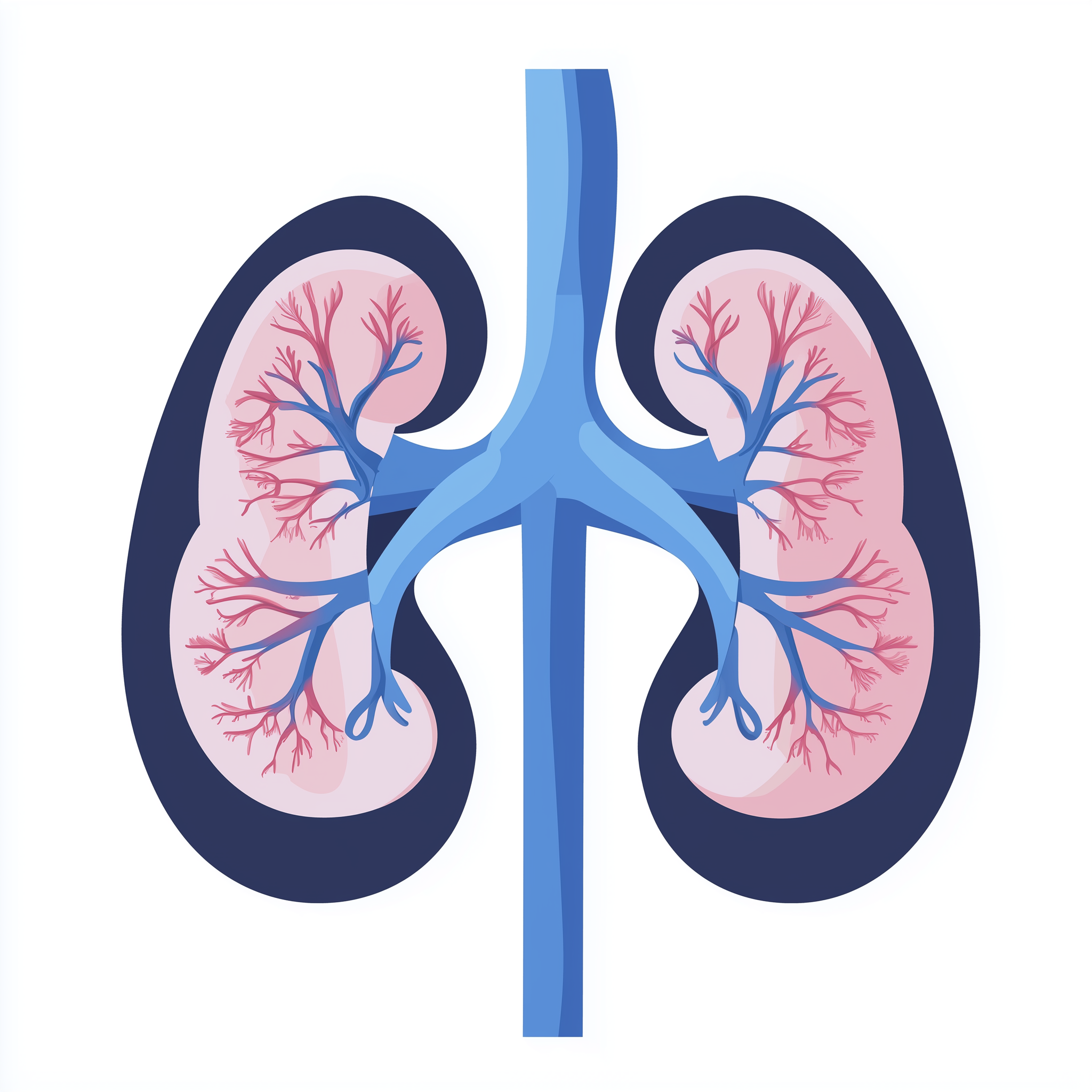
Cystinosis affects multiple organ systems throughout the body due to the widespread accumulation of cystine crystals. The kidneys are often the most severely affected, leading to Fanconi syndrome and progressive kidney failure. The eyes are also commonly involved, with cystine crystals forming in the cornea and conjunctiva, which can cause discomfort and light sensitivity.
Other organs that can be impacted include the thyroid gland, leading to hypothyroidism, and the pancreas, which can affect insulin production. The muscles, liver, spleen, and brain may also show cystine accumulation, potentially leading to additional complications over time [PMID:24075429].

Risks & severity
Cystinosis displays a spectrum of severity, with the infantile nephropathic form being the most severe and impactful on quality of life. Without specific treatment, individuals with this form typically develop end-stage kidney disease by childhood or early adolescence, requiring dialysis or a kidney transplant. The juvenile and adult forms are generally milder, with a later onset of symptoms and slower progression of kidney disease.
Overall, the disease can lead to significant health challenges, including chronic pain, visual impairment, endocrine problems, and in some cases, neurological issues. Early diagnosis and consistent treatment are crucial for managing symptoms and slowing disease progression, particularly for the more severe forms.
Genetic causes
Cystinosis is caused by pathogenic variants in the CTNS gene. This gene provides instructions for making a protein called cystinosin. Cystinosin is a crucial transporter protein located in the membrane of lysosomes, which are small compartments within cells responsible for breaking down and recycling waste products.
The normal function of cystinosin is to transport cystine, an amino acid, out of the lysosomes after proteins containing cystine have been broken down. When there are pathogenic variants in the CTNS gene, the cystinosin protein is either non-functional or absent. This leads to cystine becoming trapped inside the lysosomes, where it crystallises and accumulates. This build-up of cystine crystals damages cells and impairs the function of various organs, leading to the diverse symptoms of cystinosis [PMID:24075429].
- CTNS cystinosin, lysosomal cystine transporterThe CTNS gene encodes the cystinosin protein, a lysosomal transporter essential for removing the amino acid cystine from cellular compartments, playing a key role in metabolic health.
Inheritance pattern
Cystinosis is inherited in an autosomal recessive pattern. This means that an individual must inherit two altered copies of the CTNS gene - one from each parent - to develop the condition. If a person inherits only one altered copy of the gene, they are considered a carrier. Carriers typically do not show symptoms of cystinosis because their single working copy of the gene is sufficient to produce enough functional cystinosin protein.
When both parents are carriers of a pathogenic CTNS variant, there is a 1 in 4 (25%) chance with each pregnancy that their child will inherit two altered copies and develop cystinosis. There is a 2 in 4 (50%) chance that their child will be a carrier, and a 1 in 4 (25%) chance that their child will inherit two working copies of the gene and not be a carrier.
When both parents are carriers, each child has a 25% chance of being affected, 50% of being a carrier, and 25% of being unaffected.
Diagnosis & testing
Diagnosis of cystinosis typically begins with recognising the characteristic clinical symptoms, such as growth failure, kidney dysfunction (Fanconi syndrome), and eye problems. Blood and urine tests can show abnormal levels of certain substances indicative of kidney damage. A definitive diagnosis is usually made through genetic testing, which identifies pathogenic variants in the CTNS gene [PMID:24075429].
In the UK, genetic testing for inherited renal disorders, including cystinosis, may be accessed via the NHS Genomic Medicine Service (GMS). Patients are often referred to clinical genetics services by general practitioners or specialist paediatricians or nephrologists. The relevant NHS Genomic Test Directory R-code for cystinosis is R143 (Inherited renal disease). Genetic counsellors can provide support and information throughout the diagnostic process.
Management & lifestyle
Managing cystinosis is a lifelong process focused on reducing cystine accumulation and addressing organ-specific symptoms. The primary treatment involves cysteamine bitartrate, a medication taken orally or as eye drops, which helps deplete cystine levels in cells [PMID:33678000]. This treatment can slow the progression of kidney disease and reduce other complications. Regular monitoring of kidney function, growth, and eye health is essential.
Individuals often require supportive therapies for Fanconi syndrome, such as electrolyte and vitamin supplements to replace those lost through kidney dysfunction. In cases of end-stage kidney disease, dialysis or kidney transplantation may be necessary. Other treatments include thyroid hormone replacement for hypothyroidism and addressing bone health issues. A multidisciplinary team, typically including nephrologists, ophthalmologists, endocrinologists, and genetic specialists, provides comprehensive care within the NHS framework.
UK care pathway
In the UK, individuals suspected of having cystinosis are typically referred to specialist paediatric or adult nephrology services. These specialists can then refer to Clinical Genetics services for formal genetic counselling and testing under the NHS Genomic Medicine Service (GMS), using the relevant R-code (e.g., R143 for inherited renal disease). Genetic counsellors play a vital role in explaining the condition, inheritance patterns, and testing options to families. Specialist centres often provide long-term care, coordinating input from various medical disciplines.
Frequently asked questions
What is cysteamine and how does it help?
Cysteamine is a medication used to treat cystinosis. It works by reacting with cystine inside cells, forming a different compound that can be transported out of the lysosomes. This process reduces the harmful build-up of cystine crystals, helping to slow disease progression and manage symptoms.
Will my child need a kidney transplant?
Many individuals with the more severe forms of cystinosis will eventually develop end-stage kidney disease, which often necessitates a kidney transplant. Early diagnosis and consistent treatment can help delay the need for a transplant, but it is a common outcome for those with significant kidney involvement.
Can cystinosis affect vision?
Yes, cystine crystals commonly deposit in the cornea of the eye, which can lead to light sensitivity (photophobia), eye discomfort, and potentially reduced vision over time. Regular eye examinations with an ophthalmologist are important for managing these symptoms, and special eye drops may be prescribed.
Is there a cure for cystinosis?
Currently, there is no cure for cystinosis. However, treatments like cysteamine therapy significantly improve outcomes by reducing cystine accumulation and slowing the progression of organ damage. Management focuses on controlling symptoms and preventing complications to improve quality of life and life expectancy.
What is the life expectancy for someone with cystinosis?
With early diagnosis and consistent treatment, including cysteamine therapy and kidney transplantation when needed, individuals with cystinosis can now live well into adulthood. Life expectancy has significantly improved compared to previous decades, though a multidisciplinary medical approach remains essential for long-term health.
References
- Sharma L, Rout P. Cystinosis. 2024. PMID: 39383294
- Ames EG, Thoene JG. Programmed Cell Death in Cystinosis. Cells. 2022. PMID: 35203319
- Gahl WA, Thoene JG, Schneider JA. Cystinosis. The New England journal of medicine. 2002. PMID: 12110740
- Reda A, Veys K, Besouw M. Fertility in Cystinosis. Cells. 2021. PMID: 34944047
- Adam MP, Bick S, Mirzaa GM. Cystinosis. 1993. PMID: 20301574
- Thoene JG. Cystinosis. Journal of inherited metabolic disease. 1995. PMID: 7494397
- Elmonem MA, Veys KR, Soliman NA. Cystinosis: a review. Orphanet journal of rare diseases. 2016. PMID: 27102039
- Veys KR, Besouw MT, Pinxten AM. Cystinosis: a new perspective. Acta clinica Belgica. 2016. PMID: 25560059