On this page
Congenital myasthenic syndrome (DOK7)
This condition is one type of congenital myasthenic syndrome, primarily affecting the body's voluntary muscles. It typically presents in childhood, causing muscle fatigability and weakness, which can vary in severity among affected individuals.
Available at Jeen Health
Clinical tests that include this
Overview
Congenital myasthenic syndrome (CMS) refers to a group of rare genetic conditions that impair the transmission of signals from nerves to muscles at the neuromuscular junction. This critical junction is where nerve impulses are converted into muscle contractions. In CMS caused by changes in the DOK7 gene, this communication is disrupted, leading to muscle weakness and fatigue [PMID:24855010]. Milder forms of DOK7-associated CMS may present in childhood, while more severe forms can be noticeable at birth. The condition is progressive, meaning symptoms can worsen over time, but the rate and extent of progression are variable. It affects voluntary muscles throughout the body.
Symptoms & clinical features
The symptoms of DOK7 CMS can vary in onset and severity. Often, the earliest signs involve weakness in muscles of the limbs and trunk, which can lead to difficulties with walking, running, and climbing stairs. Some individuals may experience a characteristic waddling gait [PMID:20885175]. Weakness in the neck muscles can cause a 'dropped-head' syndrome, where individuals struggle to hold their head upright. Eye movement muscles are typically unaffected, which helps distinguish DOK7 CMS from some other forms of myasthenic syndromes. Respiratory muscle weakness can also occur, which may lead to breathing difficulties, especially during activity or illness [PMID:24855010]. Symptoms typically worsen with physical activity and improve with rest.
Video: Genetics 101
Affected organs
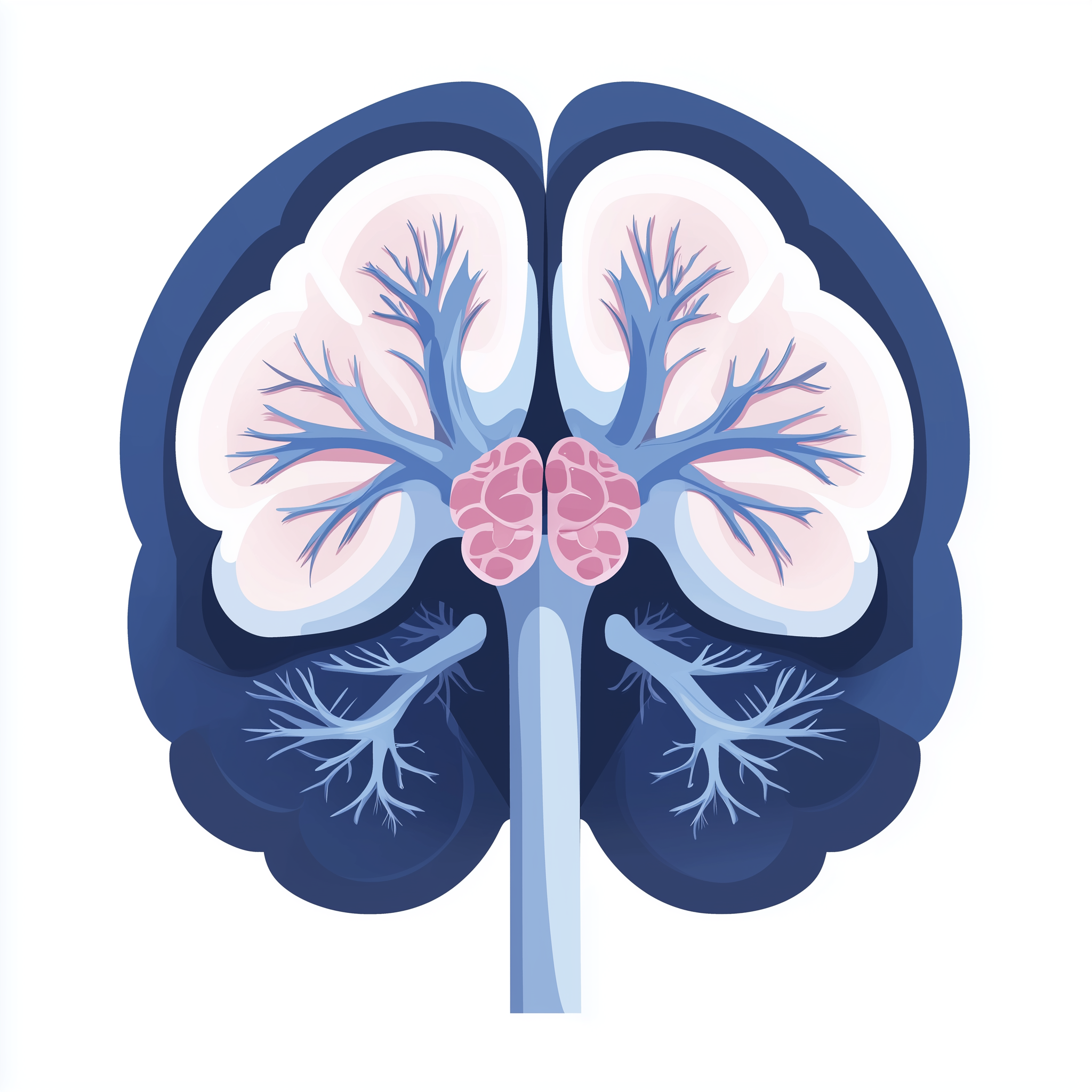
DOK7 CMS primarily affects the voluntary muscles throughout the body. These include muscles responsible for movement of the limbs, trunk, and neck. The muscles involved in breathing can also be affected, leading to potential respiratory complications. Unlike some other forms of myasthenia, the muscles controlling eye movement are generally spared, meaning double vision or drooping eyelids (ptosis) are less common in DOK7 CMS.
Risks & severity
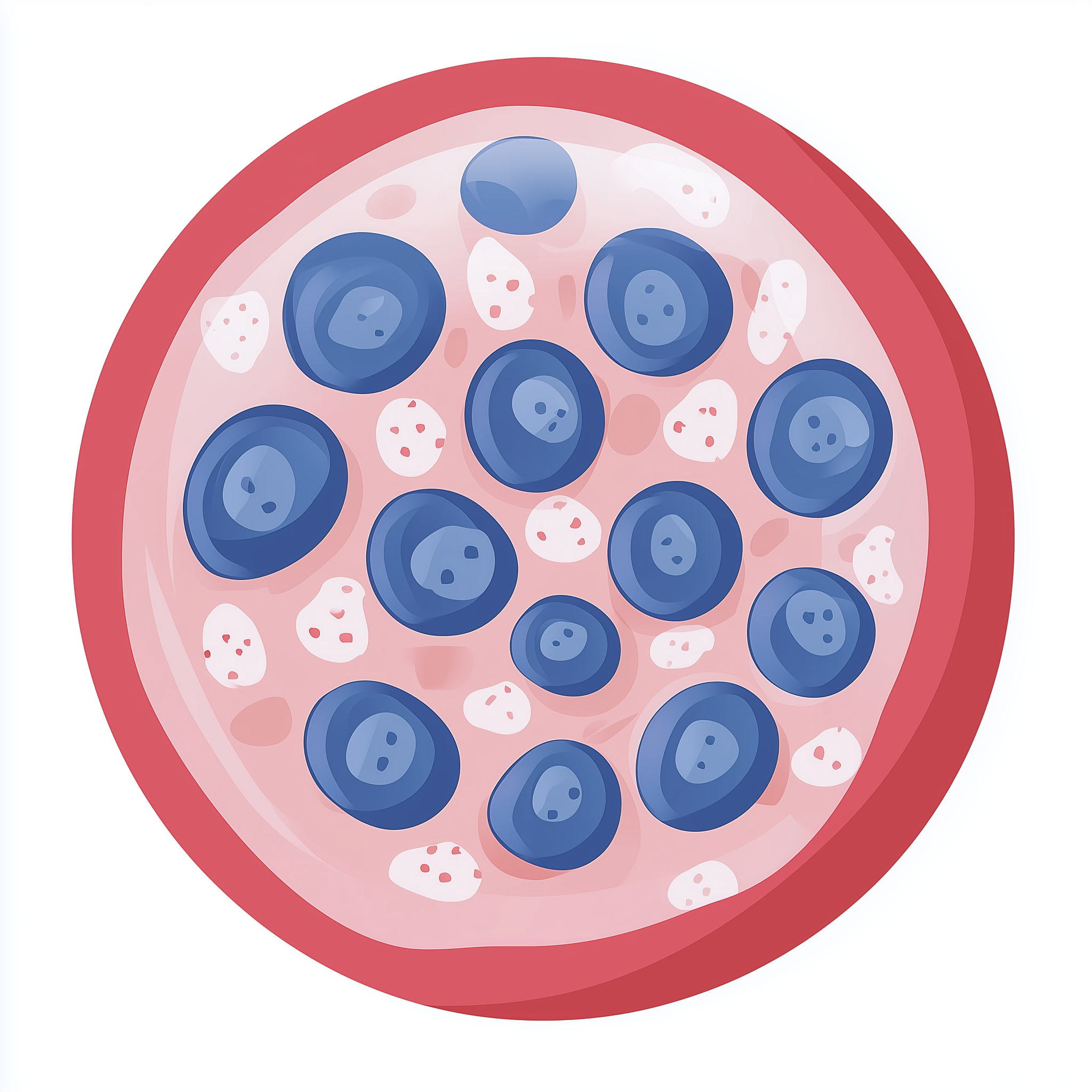
The severity of DOK7 CMS varies significantly, ranging from mild weakness with a relatively good prognosis to severe forms with significant respiratory compromise. The condition is generally progressive, with muscle weakness often worsening over time. While the exact prevalence is not well established, DOK7 CMS is considered a rare condition, representing a significant proportion of CMS cases in some populations [PMID:20885175]. Onset typically occurs in childhood, but symptoms can sometimes appear earlier or later. Respiratory crises, which are episodes of severe breathing difficulty, are a significant risk. These can be triggered by infections, certain medications, or physical exertion and require prompt medical attention. Regular monitoring of respiratory function is an important part of managing the condition.
Genetic causes
Congenital myasthenic syndrome associated with DOK7 is caused by pathogenic variants in the DOK7 gene. This gene provides instructions for making a protein called docking protein 7, which plays a crucial role in the formation and maintenance of the neuromuscular junction. The neuromuscular junction is the specialised point of contact where nerve cells transmit signals to muscle cells, triggering muscle contraction. The DOK7 protein helps organise the necessary components at the neuromuscular junction, ensuring efficient signal transmission. When pathogenic changes occur in the DOK7 gene, the DOK7 protein may be faulty or absent. This disrupts the normal development and function of the neuromuscular junction, leading to impaired communication between nerves and muscles and, consequently, muscle weakness [PMID:20885175].
- DOK7 docking protein 7The DOK7 gene provides instructions for a protein crucial in forming and maintaining connections between nerve cells and muscle cells, known as the neuromuscular junction.
Inheritance pattern
DOK7-related congenital myasthenic syndrome is inherited in an autosomal recessive pattern. This means that an individual must inherit two altered copies of the DOK7 gene - one from each parent - to develop the condition. People who have only one altered copy of the DOK7 gene are called carriers. Carriers typically do not show symptoms of the condition themselves. If both parents are carriers of a pathogenic DOK7 variant, there is a 1 in 4 (25%) chance with each pregnancy that their child will inherit two altered copies and develop the condition. There is a 2 in 4 (50%) chance that their child will be a carrier, and a 1 in 4 (25%) chance that their child will inherit two unaffected copies of the gene and will not be a carrier or have the condition.
When both parents are carriers, each child has a 25% chance of being affected, 50% of being a carrier, and 25% of being unaffected.
Diagnosis & testing
Diagnosing DOK7 CMS typically involves a combination of clinical evaluation, specialised tests, and genetic testing. Doctors may look for characteristic symptoms alongside tests such as electromyography (EMG) or nerve conduction studies, which assess nerve and muscle function. Confirmation of DOK7 CMS is primarily achieved through genetic testing, which identifies pathogenic variants in the DOK7 gene. In the UK, genetic testing for congenital myasthenic syndromes, including DOK7, is available through the NHS Genomic Medicine Service. Referrals for genetic testing are usually made by a neurologist or a clinical geneticist, often following an R-code associated with neuromuscular conditions (e.g., R146 Congenital myasthenic syndromes).
Management & lifestyle
Management of DOK7 CMS focuses on symptom control and preventing complications. While there is currently no cure, specific medications can help improve muscle strength and reduce fatigue for some individuals. These may include certain drugs that enhance neuromuscular transmission. Physiotherapy and occupational therapy can help maintain muscle function, improve mobility, and adapt daily activities. Regular monitoring of respiratory function is essential, and individuals with DOK7 CMS should be aware of factors that can worsen symptoms, such as certain medications or infections. A multidisciplinary clinical team, including neurologists, respiratory specialists, and genetic counsellors, often manages care. The NHS provides comprehensive support for individuals with rare conditions, including access to specialist centres.
UK care pathway
In the UK, individuals suspected of having a congenital myasthenic syndrome, including DOK7 CMS, typically enter the NHS Genomic Medicine Service pathway. This often begins with a referral from a general practitioner or specialist to a neurology clinic. If a genetic cause is suspected, referral to a clinical genetics service or a specialist neuromuscular centre may follow. Genetic testing, guided by NHS R-codes such as R146 for congenital myasthenic syndromes, can confirm the diagnosis. Genetic counsellors play a vital role in providing information about inheritance, risks to family members, and supporting families through the diagnostic process. Ongoing management is typically coordinated by a specialist multidisciplinary team.
Frequently asked questions
What is the main difference between DOK7 CMS and Myasthenia Gravis?
DOK7 CMS is a genetic condition present from birth, caused by changes in the DOK7 gene. Myasthenia Gravis (MG) is an autoimmune condition that develops later in life when the body's immune system mistakenly attacks components of the neuromuscular junction.
Can DOK7 CMS be cured?
Currently, there is no cure for DOK7 CMS. However, various treatments and therapies are available to help manage symptoms, improve muscle strength, and enhance quality of life. Research continues to explore new therapeutic options.
Will my children inherit DOK7 CMS if I have it?
DOK7 CMS is inherited in an autosomal recessive pattern. This means if you have the condition, you would pass one altered copy of the DOK7 gene to each of your children. Whether they develop the condition depends on whether their other parent also carries an altered copy of the DOK7 gene. Genetic counselling can provide personalised risk assessments.
Are there any specific medications to avoid with DOK7 CMS?
Yes, some medications can worsen muscle weakness in individuals with DOK7 CMS. It is very important to discuss all medications, including over-the-counter drugs and supplements, with your neurologist or healthcare team to ensure they are safe for you.
How often should I have my breathing checked if I have DOK7 CMS?
Regular monitoring of respiratory function is crucial for individuals with DOK7 CMS, especially given the risk of breathing difficulties. The frequency of these checks will be determined by your treating neurologist or respiratory specialist based on your individual symptoms and disease progression.