

On this page
Congenital lactic acidosis (pyruvate carboxylase)
This condition results from a deficiency in the pyruvate carboxylase enzyme, leading to a build-up of lactic acid, which can affect the brain and other organs. It is typically identified in infancy or early childhood and can lead to significant health challenges.
Available at Jeen Health
Clinical tests that include this
Overview
Congenital Lactic Acidosis (Pyruvate Carboxylase Deficiency) is a rare inherited condition. It affects the body's ability to produce energy and process certain nutrients. The condition is caused by a problem with the enzyme called pyruvate carboxylase. This enzyme is crucial for several metabolic pathways, including gluconeogenesis (making glucose from non-carbohydrate sources) and the citric acid cycle (a key part of energy production) [PMID:17006899].
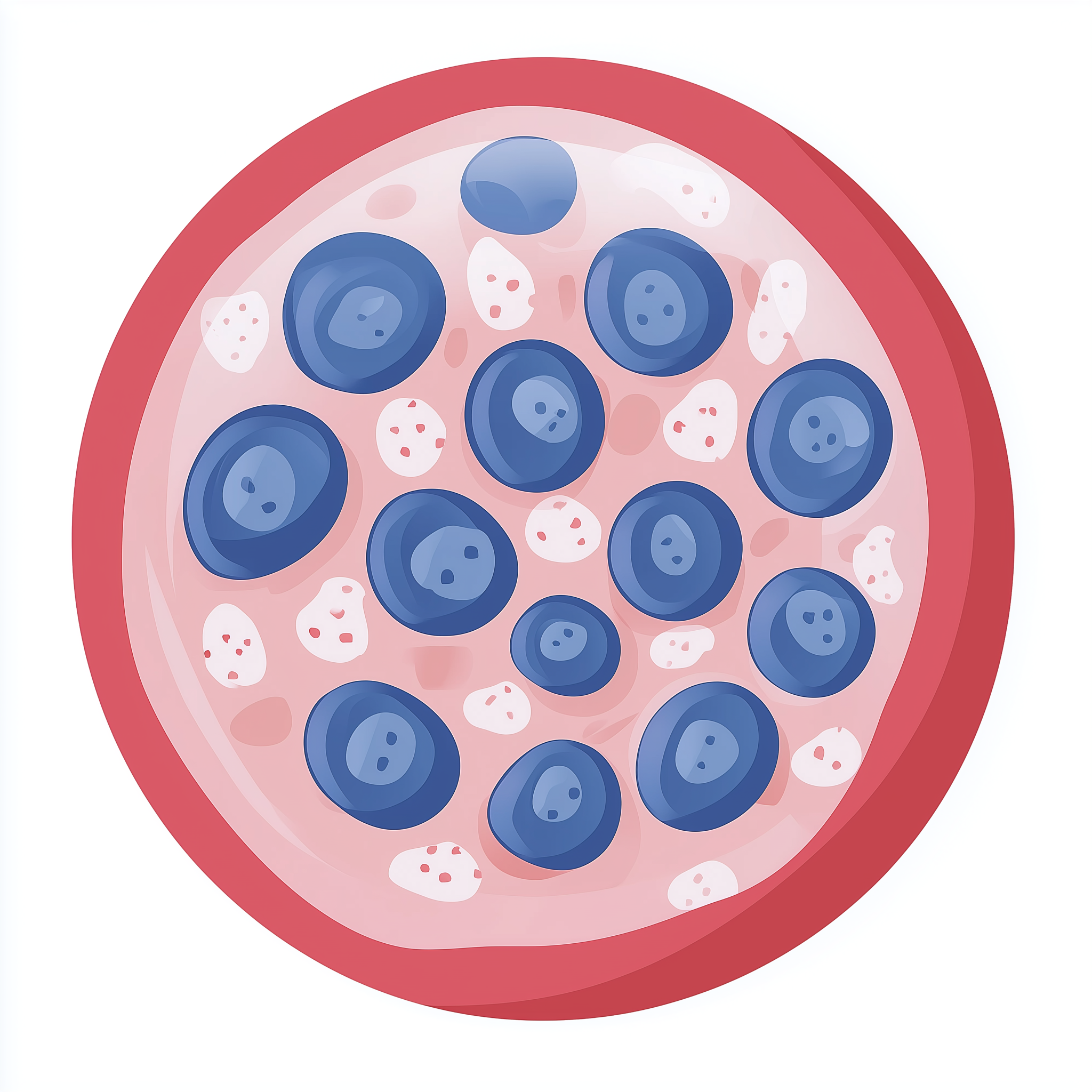
When pyruvate carboxylase is not working properly, there is an excess of lactic acid in the body, leading to a condition called lactic acidosis. This build-up can have serious effects on various organs, particularly the brain. The severity of the condition can vary, from mild to severe, and its symptoms often appear in infancy or early childhood. There are three main types, A, B, and C, with varying clinical presentations and outcomes.
Symptoms & clinical features
The symptoms of Congenital Lactic Acidosis (Pyruvate Carboxylase Deficiency) can differ significantly depending on the type and severity. Generally, symptoms may appear shortly after birth or within the first few months of life. Common signs include lethargy, poor feeding, vomiting, and difficulty breathing, often described as hyperventilation, due to the body's attempt to compensate for the acidosis [PMID:17006899].
Some individuals may experience developmental delay, intellectual disability, and seizures. Muscle weakness and low muscle tone (hypotonia) can also be present. In more severe forms, particularly type B, the condition can be life-threatening and lead to early death. Less severe forms, such as type A, might present with neurological problems and developmental delays, while type C, which is the mildest, may be associated with only temporary lactic acidosis.
Video: Genetics 101
Affected organs
Congenital Lactic Acidosis (Pyruvate Carboxylase Deficiency) primarily affects organs that have high energy demands or are sensitive to acid-base imbalances. The brain is particularly vulnerable, and individuals often experience neurological complications, including developmental delay, intellectual disability, and seizures. The central nervous system is heavily reliant on glucose for energy, and impaired gluconeogenesis can negatively impact its function [PMID:17006899].
The liver is also significantly affected, as it plays a key role in gluconeogenesis. Dysfunction can impact the body's ability to maintain stable blood sugar levels. Other organs such as the heart and kidneys can also be affected by the metabolic imbalance, though their involvement might be less prominent than the brain and liver.

Risks & severity
The severity of Congenital Lactic Acidosis (Pyruvate Carboxylase Deficiency) varies widely and often correlates with the specific type. Type A is typically characterised by neurological issues and developmental delay, with presentation in infancy. Type B is generally the most severe form, leading to profound lactic acidosis, developmental regression, and often results in death in early infancy or childhood. Type C is the mildest form, sometimes presenting as intermittent lactic acidosis with good prognosis.
The lifetime risks for individuals with this condition depend heavily on the type and the effectiveness of management. Severe forms carry a significant risk of early mortality. Individuals with milder forms may experience lifelong neurological challenges but can have a longer life expectancy with appropriate care. The exact prevalence is not well established due to its rarity.
Genetic causes
Congenital Lactic Acidosis (Pyruvate Carboxylase Deficiency) is caused by pathogenic variants in the PC gene. This gene provides instructions for making the enzyme pyruvate carboxylase. This enzyme is found in the mitochondria, which are often called the 'powerhouses' of the cell because they generate most of the cell's energy.
Pyruvate carboxylase plays a critical role in several metabolic pathways. It converts pyruvate into oxaloacetate, a molecule important for both gluconeogenesis and the citric acid cycle. When pathogenic variants occur in the PC gene, the enzyme may be reduced in quantity or function incorrectly. This disruption leads to an accumulation of pyruvate and, consequently, lactic acid, as the body tries to find alternative metabolic routes. The impaired function also affects the production of glucose and energy, leading to the clinical features of the condition.
- PC pyruvate carboxylaseThe PC gene provides instructions for making pyruvate carboxylase, an enzyme crucial for energy production and various metabolic processes within cells.
Inheritance pattern
Congenital Lactic Acidosis (Pyruvate Carboxylase Deficiency) is inherited in an autosomal recessive pattern. This means that an individual must inherit two altered copies of the PC gene - one from each parent - to be affected by the condition.
Parents who each carry one altered copy of the gene (and one normal copy) are known as carriers. Carriers typically do not show any symptoms of the condition themselves because their single working copy of the gene is sufficient. When two carriers have a child, there is a 25% chance with each pregnancy that the child will inherit two altered copies and develop the condition, a 50% chance the child will be a carrier like their parents, and a 25% chance the child will inherit two normal copies and not be a carrier or affected.
When both parents are carriers, each child has a 25% chance of being affected, 50% of being a carrier, and 25% of being unaffected.
Diagnosis & testing
Diagnosing Congenital Lactic Acidosis (Pyruvate Carboxylase Deficiency) often begins with detecting high levels of lactic acid and pyruvate in the blood and sometimes in the cerebrospinal fluid. Other biochemical markers, such as elevated alanine, may also be present. Enzyme activity assays, usually performed on tissue samples like liver or fibroblasts (skin cells), can confirm the deficiency of pyruvate carboxylase [PMID:17006899].
Genetic testing is the definitive method for confirming the diagnosis and identifying the specific pathogenic variants in the PC gene. This can be performed through the NHS Genomic Medicine Service (GMS) via a referral from a specialist clinician. The relevant R-code for this testing would be determined by the clinical presentation and specific testing pathway. A clinical geneticist or genetic counsellor can provide more information on the testing process.
Management & lifestyle
Managing Congenital Lactic Acidosis (Pyruvate Carboxylase Deficiency) focuses on alleviating symptoms, correcting metabolic imbalances, and supporting development. There is no cure for the condition, so treatment is largely supportive. Dietary management often involves a high-carbohydrate, low-protein diet to provide energy and reduce the build-up of harmful substances. Supplementation with biotin, a co-enzyme for pyruvate carboxylase, may be beneficial for some individuals, particularly those with residual enzyme activity [PMID:33650228].
Treatment also addresses specific symptoms, such as anti-epileptic medication for seizures. Regular monitoring of blood lactate levels and overall metabolic status is crucial. Individuals with this condition will typically be managed by a team of specialists, including a metabolic consultant, dietitian, neurologist, and genetic counsellor, within the NHS framework. Genetic counsellors can provide essential information and support for families.
UK care pathway
In the UK, suspected cases of inherited metabolic disorders like Congenital Lactic Acidosis (Pyruvate Carboxylase Deficiency) are typically referred to specialist metabolic centres within the NHS. A clinician, such as a paediatrician or neurologist, would refer individuals for genetic testing through the NHS Genomic Medicine Service (GMS) once relevant clinical and biochemical indicators suggest a diagnosis. The specific genetic test pathway would be guided by the national testing directory, utilising appropriate R-codes.
Following a confirmed diagnosis, individuals and their families will have access to a multidisciplinary team, often including genetic counsellors. These professionals provide vital information about the condition, its inheritance pattern, and support for family planning. The care pathway aims to provide comprehensive support and management tailored to the individual's needs.
Frequently asked questions
What is lactic acidosis?
Lactic acidosis is a condition where there is too much lactic acid in the blood. Lactic acid is a natural byproduct of metabolism, but when it builds up to high levels, it can upset the body's acid-base balance and cause symptoms like fatigue, nausea, and rapid breathing.
How common is Pyruvate Carboxylase Deficiency?
Congenital Lactic Acidosis (Pyruvate Carboxylase Deficiency) is considered a very rare condition. Exact prevalence figures are challenging to establish, but it is one of the rarer inherited metabolic disorders.
Can carriers of the PC gene variant have symptoms?
Individuals who are carriers of a single altered copy of the PC gene typically do not experience any symptoms of Pyruvate Carboxylase Deficiency. They have one working copy of the gene, which is usually sufficient to produce enough functional enzyme.
Is there a cure for Pyruvate Carboxylase Deficiency?
Currently, there is no cure for Congenital Lactic Acidosis (Pyruvate Carboxylase Deficiency). Management focuses on supportive care, such as dietary modifications and symptom management, to improve quality of life and reduce the severity of symptoms.
Will future children in my family be affected?
As this condition is inherited in an autosomal recessive manner, if both parents are carriers, there is a 25% chance with each pregnancy that a child will be affected. Genetic counselling can provide detailed information and options for future family planning.