

On this page
Congenital insensitivity to pain with anhidrosis (CIPA)
CIPA, also known as hereditary sensory and autonomic neuropathy type IV (HSAN IV), severely impacts an individual's ability to sense and react to harmful stimuli. It typically affects children from birth, leading to various injuries and complications due to the lack of protective pain sensation.
Available at Jeen Health
Clinical tests that include this
Overview
Congenital insensitivity to pain with anhidrosis (CIPA) is a rare inherited condition. It impairs the body's ability to sense pain, temperature, and touch, alongside a reduced ability to sweat (anhidrosis) [PMID:17963499]. This combination of symptoms can lead to repeated injuries, infections, and fever due to uncontrolled body temperature. Individuals with CIPA are often unaware of cuts, burns, fractures, or other physical damage, which can have significant long-term health consequences.
Symptoms & clinical features
Key symptoms of CIPA include a profound insensitivity to pain from birth. Affected individuals may not react to typical painful stimuli like cuts, burns, or bone fractures [PMID:19149420]. Another prominent feature is anhidrosis, meaning difficulty or inability to sweat, which impairs the body's ability to regulate temperature. This can lead to frequent episodes of high fever, particularly in warm environments or during physical activity. Other symptoms may include recurrent skin infections, slow-healing wounds, and bone fractures. Some individuals might also experience developmental delay or intellectual disability, though this is not always present. Self-mutilating behaviours, such as biting off fingers or lips, can occur due to the lack of pain sensation.
Video: Genetics 101
Affected organs
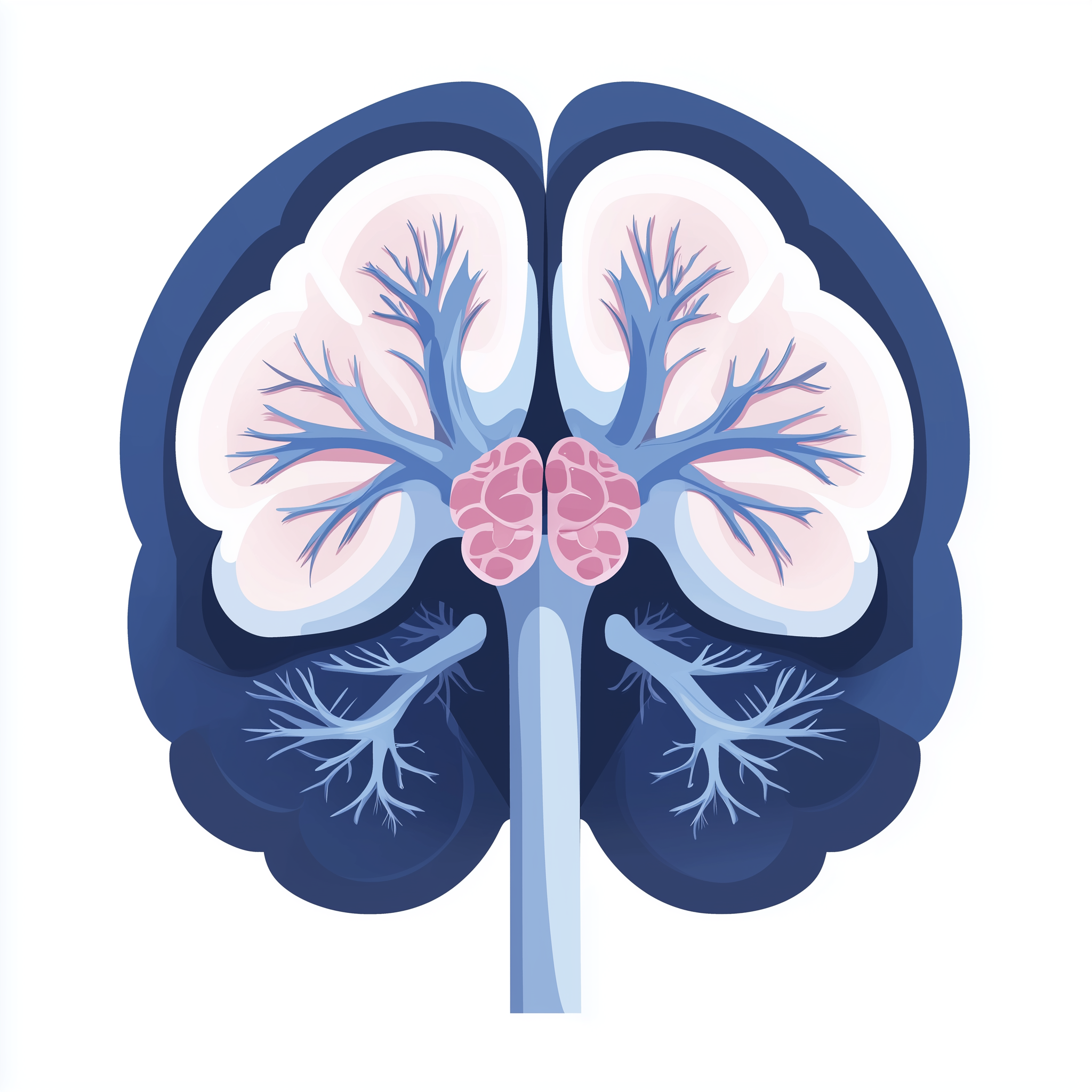
CIPA primarily affects the nervous system, specifically the sensory nerves responsible for transmitting pain and temperature signals to the brain. It also impacts the autonomic nervous system, which controls involuntary bodily functions like sweating. The skin is frequently affected due to repeated injuries and infections, often leading to chronic wounds and scarring. Bones are also vulnerable to fractures and deformities because of unchecked physical trauma. Teeth can be damaged due to self-mutilation or unnoticed injuries to the mouth and gums.

Risks & severity
The severity of CIPA can vary, but generally, it presents with significant health risks from a very young age. The lifetime risk of injuries is greatly increased, ranging from severe burns and fractures to joint damage and infections that might go unnoticed until they become serious. High fevers, often called hyperpyrexia, pose a serious risk, potentially leading to seizures and organ damage [PMID:19149420]. While life expectancy can be reduced, particularly if fevers and injuries are not well managed in childhood, close monitoring and proactive care can help to improve outcomes and quality of life for affected individuals. The exact prevalence of CIPA is not well established, but it is considered a very rare condition.
Genetic causes
CIPA is caused by pathogenic variants in the *NTRK1* gene [PMID:12483256]. The *NTRK1* gene provides instructions for making a protein called neurotrophic tyrosine receptor kinase 1, also known as TrkA. This protein is crucially involved in the development and survival of nerve cells, particularly those that transmit pain, temperature, and touch sensations. It also plays a role in the development of sweat glands. Pathogenic variants in *NTRK1* lead to a non-functional or abnormally functioning TrkA protein. This disrupts the normal development and maintenance of these specific sensory neurons and sweat glands, leading to the characteristic symptoms of CIPA, such as the inability to feel pain and reduced sweating.
- NTRK1 neurotrophic receptor tyrosine kinase 1The NTRK1 gene provides instructions for a protein vital to the development and survival of nerve cells, particularly those involved in transmitting pain, temperature, and touch sensations.
Inheritance pattern
CIPA is inherited in an autosomal recessive pattern. This means that a person must inherit two copies of a pathogenic *NTRK1* gene variant - one from each parent - to develop the condition. If a person inherits only one pathogenic variant, they are considered a 'carrier' and typically do not show symptoms of CIPA. When both parents are carriers of the same pathogenic *NTRK1* variant, there is a 25% chance with each pregnancy that their child will inherit two copies of the variant and develop CIPA, a 50% chance the child will be a carrier like the parents, and a 25% chance the child will inherit two normal copies of the gene and not be affected or a carrier.
When both parents are carriers, each child has a 25% chance of being affected, 50% of being a carrier, and 25% of being unaffected.
Diagnosis & testing
Diagnosis of CIPA is usually suspected based on clinical symptoms such as recurrent unexplained fevers, multiple unrecognised injuries, and an inability to feel pain, often evident from infancy. A definitive diagnosis is confirmed through genetic testing, which identifies pathogenic variants in the *NTRK1* gene. In the UK, individuals suspected of having CIPA would typically be referred to a clinical genetics service by their GP or another specialist, such as a paediatrician. Genetic testing for CIPA falls under the NHS Genomic Medicine Service, often utilising whole exome or whole genome sequencing, with specific R-codes for rare neurological disorders.
Management & lifestyle
Due to the lack of pain sensation, management of CIPA focuses on preventing injuries, closely monitoring for signs of damage, and managing body temperature. This involves vigilant supervision, especially in childhood, to prevent self-harm and accidental injuries. Regular medical check-ups are essential to detect and address infections, fractures, or other complications early. Educating affected individuals and their families about careful wound care and strategies to avoid burns or other trauma is crucial. Managing fevers through cooling methods is also a key part of care. Management often involves a multidisciplinary team including paediatricians, neurologists, orthopaedic surgeons, and genetic counsellors. There is currently no cure for CIPA, so treatment primarily aims to manage symptoms and prevent complications.
UK care pathway
In the UK, individuals suspected of having a rare genetic condition like CIPA would typically be referred by their GP or another specialist (e.g., paediatrician or neurologist) to a regional NHS Clinical Genetics service. This service can provide expert assessment, genetic counselling, and arrange for appropriate genetic testing to confirm a diagnosis. Genetic testing for neurological conditions like CIPA is part of the NHS Genomic Medicine Service (GMS), identified by specific R-codes for rare diseases. Genetic counsellors play a vital role in explaining inheritance patterns, recurrence risks, and supporting families through the diagnostic and management journey.
Frequently asked questions
Can someone with CIPA feel any sensations at all?
Individuals with CIPA typically cannot feel pain or temperature. They might have some ability to feel pressure or deep touch, but the senses critical for protection against injury are usually absent or severely reduced. They can still see, hear, smell, and taste.
Is CIPA life-threatening?
CIPA itself is not directly life-threatening, but the complications arising from the inability to feel pain and regulate body temperature can be very serious. Unnoticed injuries, severe infections, and uncontrolled fevers can be life-threatening if not managed carefully. Proactive care is essential.
What support is available for families affected by CIPA?
Families in the UK can access support through their NHS Clinical Genetics service, which provides genetic counselling and connects families with relevant specialists. Patient support groups and charities focused on rare diseases or neurological conditions can also offer valuable resources and community support.
Are there any treatments that can help individuals feel pain?
Currently, there are no treatments that can restore the ability to feel pain or sweat in individuals with CIPA. Management focuses entirely on preventative measures to avoid injuries, treat complications promptly, and manage body temperature to minimise risks associated with the condition.
How common is CIPA?
CIPA is a very rare condition. The exact number of affected individuals is not precisely known, but it is considered to be one of the less common genetic disorders. Due to its rarity, it is important for diagnosis and management to be led by specialists.
References
- Indo Y. Molecular basis of congenital insensitivity to pain with anhidrosis (CIPA): mutations and polymorphisms in TRKA (NTRK1) gene encoding the receptor tyrosine kinase for nerve growth factor. Human mutation. 2001. PMID: 11748840
- Indo Y. Genetics of congenital insensitivity to pain with anhidrosis (CIPA) or hereditary sensory and autonomic neuropathy type IV. Clinical, biological and molecular aspects of mutations in TRKA(NTRK1) gene encoding the receptor tyrosine kinase for nerve growth factor. Clinical autonomic research : official journal of the Clinical Autonomic Research Society. 2002. PMID: 12102460
- Higashimoto T, Garber ME, Hipp L. Atypical Presentation of Congenital Insensitivity to Pain With Anhidrosis Leading to Diagnostic Odyssey. Molecular genetics & genomic medicine. 2024. PMID: 39465509
- Ikrama M, Usama M, Haider MH. Congenital insensitivity to pain with anhidrosis: a literature review and the advocacy for stem cell therapeutic interventions. Therapeutic advances in rare disease. 2024. PMID: 39493574
- Pierotti MA, Greco A. Oncogenic rearrangements of the NTRK1/NGF receptor. Cancer letters. 2006. PMID: 16242838
- Schulman H, Tsodikow V, Einhorn M. Congenital insensitivity to pain with anhidrosis (CIPA): the spectrum of radiological findings. Pediatric radiology. 2001. PMID: 11685437
- Amin Z, Saeed H, Naufil SI. Congenital Insensitivity to Pain and Anhidrosis With Orthopedic and Self-Injury Complications in a 5-Year-Old Boy: A Case Report. Clinical case reports. 2024. PMID: 39687654
- Alberti L, Carniti C, Miranda C. RET and NTRK1 proto-oncogenes in human diseases. Journal of cellular physiology. 2003. PMID: 12652644