

On this page
Congenital hyperinsulinism (diffuse, KATP)
This condition primarily affects infants and young children, causing persistent hypoglycaemia (low blood sugar). If not managed effectively, it can lead to serious neurological complications, highlighting the importance of early diagnosis and treatment.
Available at Jeen Health
Clinical tests that include this
Overview
Congenital hyperinsulinism (congenital HI) is a group of genetic conditions characterised by the pancreas releasing too much insulin. Insulin is a hormone that helps regulate blood sugar (glucose) levels. When too much insulin is released, it removes too much glucose from the blood, causing hypoglycaemia (low blood sugar), which can be dangerous, especially for a developing brain [PMID:31536219].
Among the different types of congenital HI, the KATP-channel diffuse form is caused by specific genetic changes affecting the KATP channels in pancreatic beta cells. These channels are crucial for controlling insulin secretion. This particular form is more widespread throughout the pancreas, hence the term 'diffuse'. The estimated prevalence of congenital hyperinsulinism overall is thought to be between 1 in 25,000 and 1 in 50,000 live births in the general population [PMID:28795552].
Symptoms & clinical features
The main symptom of congenital hyperinsulinism is persistent or recurrent hypoglycaemia. In newborns, this can manifest as poor feeding, lethargy, irritability, jitters, seizures, or even apnoea (temporary cessation of breathing). Older children might experience shakiness, sweating, confusion, or extreme hunger.
Because the brain relies heavily on glucose for energy, prolonged or severe hypoglycaemia can have serious consequences. If left unmanaged, repeated episodes of low blood sugar can lead to developmental delay, learning difficulties, cerebral palsy, and epilepsy. The severity of symptoms can vary, but immediate recognition and treatment of hypoglycaemic episodes are vital to prevent long-term complications [PMID:28795552].
Video: Genetics 101
Affected organs
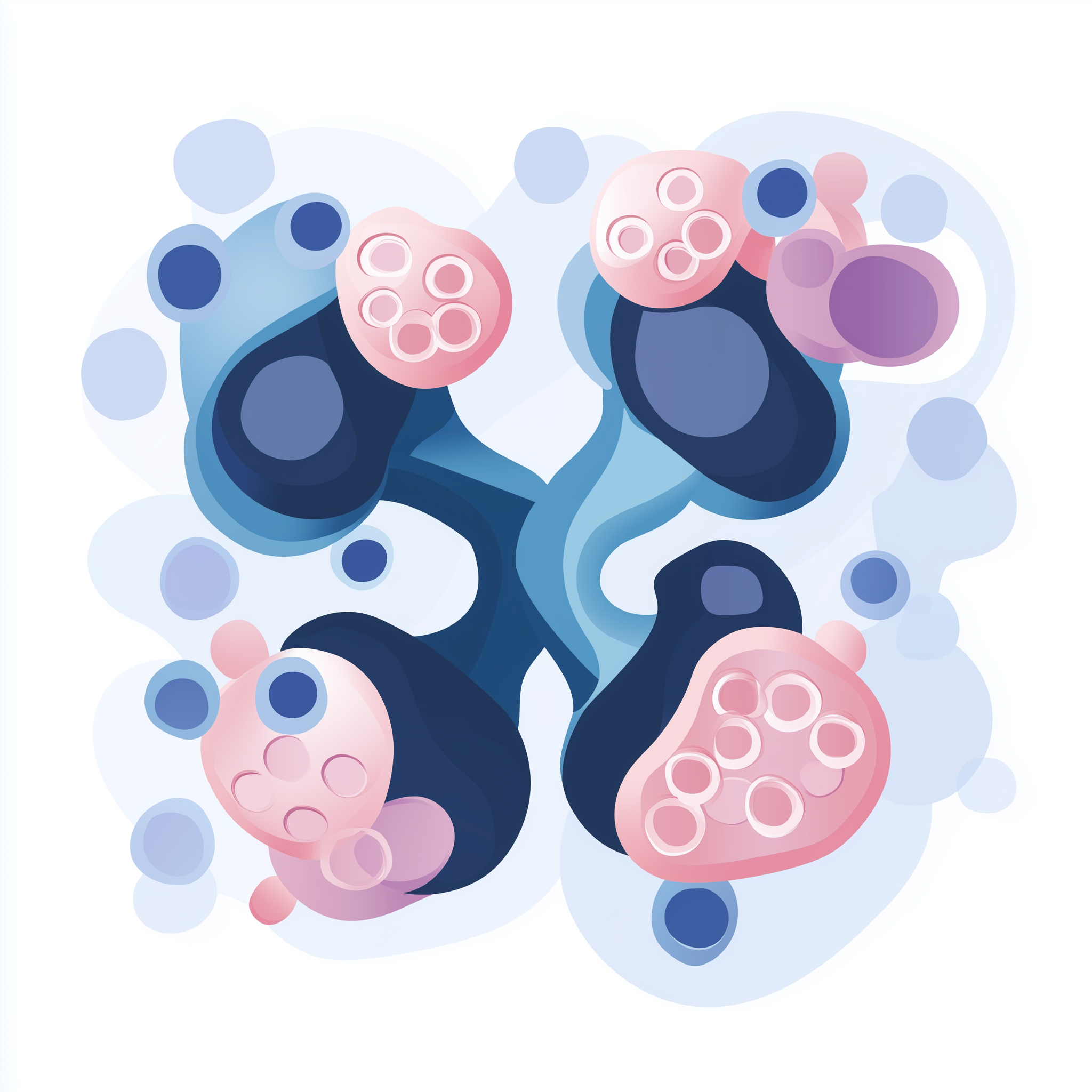
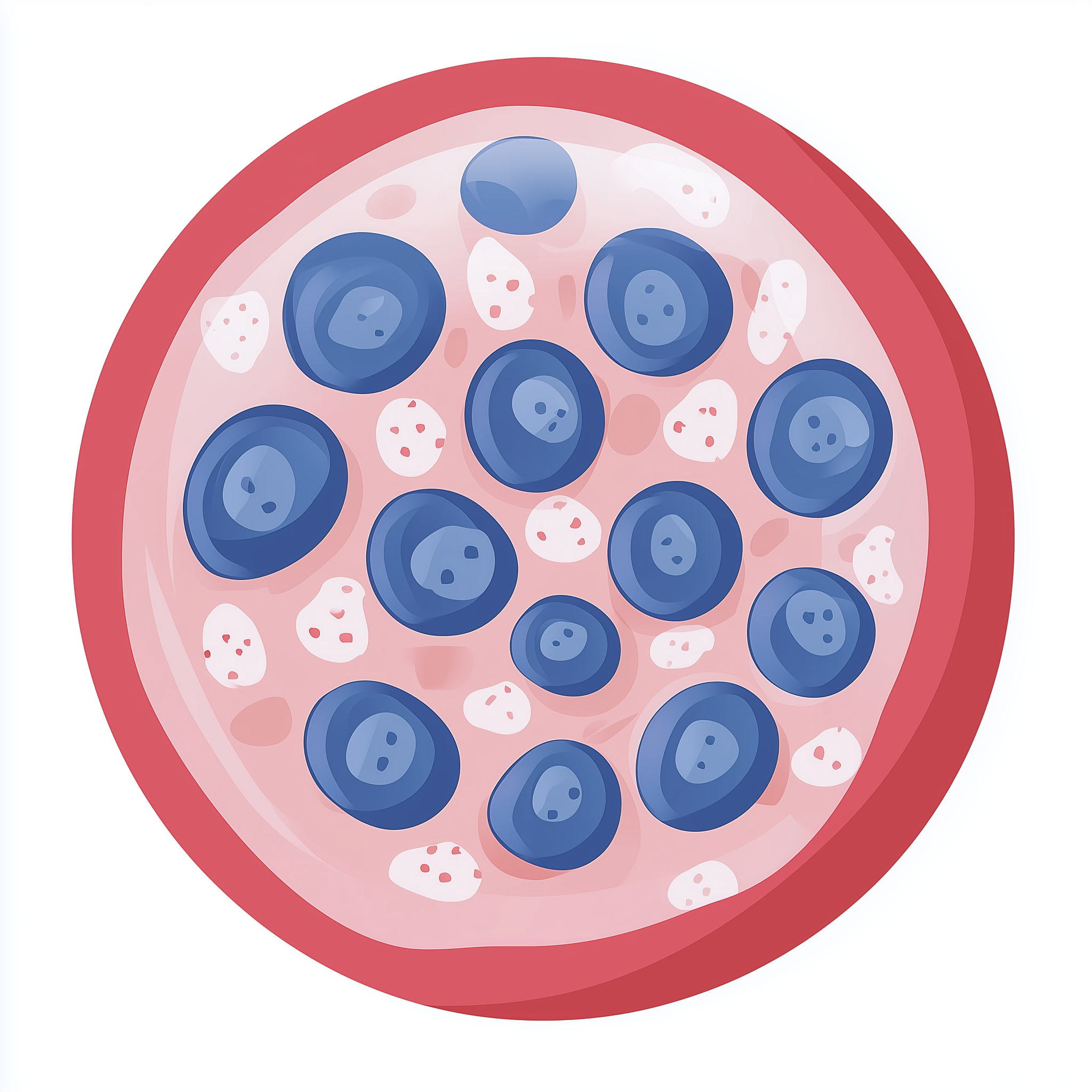
The primary organ affected by congenital hyperinsulinism is the pancreas, specifically the beta cells within the islets of Langerhans. These cells are responsible for producing and releasing insulin. In congenital HI, these cells overproduce insulin.
While the primary issue is in the pancreas, the effects of persistent low blood sugar predominantly impact the brain. The brain requires a constant supply of glucose, and without it, brain cells can be damaged, leading to neurological impairments. Other organ systems are generally not directly affected by the condition itself, but rather by the consequences of severe hypoglycaemia.
Risks & severity
The severity of congenital hyperinsulinism can range from mild, manageable hypoglycaemia to severe, life-threatening episodes that require intensive medical intervention. The diffuse KATP-channel form is often severe and typically requires ongoing medical management.
Risk factors for more severe outcomes include delayed diagnosis, poor control of blood glucose levels, and infancy. If not managed effectively, there is a significant risk of permanent neurological damage due to recurrent or prolonged severe hypoglycaemia. Lifetime risks involve the potential for developmental and learning difficulties, as well as an increased risk of epilepsy.
Genetic causes
Congenital hyperinsulinism (diffuse, KATP) is typically caused by pathogenic variants in one of two genes: ABCC8 or KCNJ11. These genes provide instructions for making parts of a protein complex known as the ATP-sensitive potassium (KATP) channel.
KATP channels are located on the surface of pancreatic beta cells and play a critical role in regulating insulin release. In a healthy individual, when blood glucose levels rise, these channels close, triggering the release of insulin. However, pathogenic changes in ABCC8 or KCNJ11 can cause the KATP channels to malfunction, remaining closed even when blood glucose is low. This results in continuous, unregulated insulin secretion, leading to hypoglycaemia [PMID:31536219].
Inheritance pattern
This form of congenital hyperinsulinism follows an autosomal recessive inheritance pattern. This means that an individual must inherit two copies of a pathogenic variant - one from each parent - to develop the condition. Typically, both parents are carriers, meaning they each have one altered copy of the gene and one healthy copy, but do not show symptoms themselves.
When both parents are carriers of a pathogenic variant in the same gene (ABCC8 or KCNJ11), there is a 25% (1 in 4) chance that each child they have will inherit two altered copies and thus be affected by the condition. There is a 50% (1 in 2) chance that each child will be a carrier like their parents, and a 25% (1 in 4) chance that each child will inherit two healthy copies of the gene and not be affected or a carrier.
When both parents are carriers, each child has a 25% chance of being affected, 50% of being a carrier, and 25% of being unaffected.
Diagnosis & testing
Diagnosis of congenital hyperinsulinism is typically suspected in infants or children presenting with recurrent or persistent hypoglycaemia. Confirmation involves specialised blood tests to measure glucose and insulin levels at the time of hypoglycaemia, which would show inappropriately high insulin levels for the low glucose. Other tests, such as analysis of C-peptide and ketone bodies, can also aid diagnosis.
Genetic testing is crucial to identify the specific genetic cause, such as pathogenic variants in ABCC8 or KCNJ11. This can be arranged through the NHS Genomic Medicine Service (GMS) following a referral to a clinical genetics service or specialist endocrine team. The relevant NHS Genomic Test Directory R-codes for hyperinsulinism typically include R121, R122, or R123, depending on the specific clinical presentation and diagnostic pathway. Genetic counselling is often offered before and after testing to discuss implications for the patient and family.
Management & lifestyle
Management of congenital hyperinsulinism (diffuse, KATP) primarily focuses on maintaining stable blood glucose levels and preventing hypoglycaemia. This often involves frequent feeding, particularly in infants, and continuous glucose monitoring. Medications such as diazoxide, which helps keep KATP channels open to reduce insulin release, are often the first line of treatment. However, the diffuse KATP form generally responds poorly to diazoxide, often requiring other approaches.
For those who don't respond to medication, further treatment options may include other drugs like octreotide, or in some severe cases, a pancreatectomy (surgical removal of part or all of the pancreas) may be considered, though this can lead to other complications like diabetes. Management decisions are made by a multidisciplinary team, including paediatric endocrinologists, surgeons, and specialist nurses, within the NHS framework. Regular monitoring and adjustments to treatment are essential for long-term well-being.
UK care pathway
In the UK, individuals suspected of having congenital hyperinsulinism are typically referred through general paediatric services to specialist paediatric endocrine centres. These centres are equipped to perform the necessary diagnostic tests and initiate management. If a genetic cause is suspected, a referral to a clinical genetics service or specialist endocrine team will be made, aligning with the NHS Genomic Medicine Service (GMS) pathways.
Genetic testing for this condition falls under specific NHS Genomic Test Directory R-codes, such as R121, R122, or R123, which cover various forms of hyperinsulinism. Following diagnosis, genetic counsellors play a vital role in providing information and support to families, explaining the inheritance pattern, and discussing implications for other family members.
Frequently asked questions
What is the difference between 'diffuse' and 'focal' congenital hyperinsulinism?
In diffuse hyperinsulinism, the cells that overproduce insulin are spread throughout the entire pancreas. In focal hyperinsulinism, the overproducing cells are concentrated in a specific, smaller area of the pancreas. This distinction is important because focal lesions can sometimes be surgically removed more easily than diffuse forms.
Can congenital hyperinsulinism be cured?
Congenital hyperinsulinism is a genetic condition, so there isn't a 'cure' in the sense of reversing the genetic change. However, the symptoms, primarily low blood sugar, can be managed very effectively with medication or, in some cases, surgery, to prevent long-term complications and allow individuals to lead healthy lives.
What should I do if my child has symptoms of low blood sugar?
If your child has been diagnosed with congenital hyperinsulinism and experiences symptoms of low blood sugar, you should follow the specific emergency plan provided by their medical team. This typically involves giving a fast-acting glucose source immediately and seeking medical attention as advised by your healthcare professionals.
How does genetic counselling help families with this condition?
Genetic counselling provides families with detailed information about the genetic cause of congenital hyperinsulinism, how it is inherited, and the chances of it affecting other family members. Counsellors also offer emotional support and help families understand genetic testing options and potential reproductive choices.
Is a special diet required for children with congenital hyperinsulinism?
Children with congenital hyperinsulinism often require frequent, regular feeds or meals to maintain stable blood sugar levels. A specialised diet plan will be developed by a dietitian in conjunction with the medical team, tailored to the individual child's needs and their response to medication, rather than a generic 'special diet'.