

On this page
Congenital heart disease (non-syndromic)
These heart defects can affect how blood flows through the heart and to the rest of the body. They vary widely in severity and are among the most common birth differences, affecting infants and children in the UK.
Overview
Congenital heart disease (CHD) means that the heart's structure has not formed typically during foetal development. This can involve the heart chambers, valves, or the blood vessels close to the heart [PMID:31540864]. 'Non-syndromic' means these heart differences occur in isolation, without other significant health problems that might suggest a wider genetic syndrome. CHD is the most common major birth difference, affecting approximately 8 in every 1,000 live births in the UK.
These conditions range from minor defects that may not require intervention to complex problems needing multiple surgeries. The impact on an individual's health depends on the specific type and severity of the heart defect. Advancements in medical and surgical care mean that most individuals born with CHD now survive into adulthood.
Symptoms & clinical features
The symptoms of non-syndromic congenital heart disease vary significantly depending on the type and severity of the heart defect. Some individuals may have no noticeable symptoms, while others develop severe issues shortly after birth. In newborns, symptoms might include a blue or greyish tint to the skin, lips, and fingernails (cyanosis), rapid breathing or difficulty breathing, and poor feeding.
In older infants and children, signs could include tiredness, especially during physical activity, poor weight gain, or fainting spells. A heart murmur, which is an extra or unusual sound heard during a heartbeat, is often one of the first indications of a possible heart defect and is typically detected during a routine check-up [PMID:31540864]. However, not all heart murmurs indicate a problem.
Video: Genetics 101
Affected organs
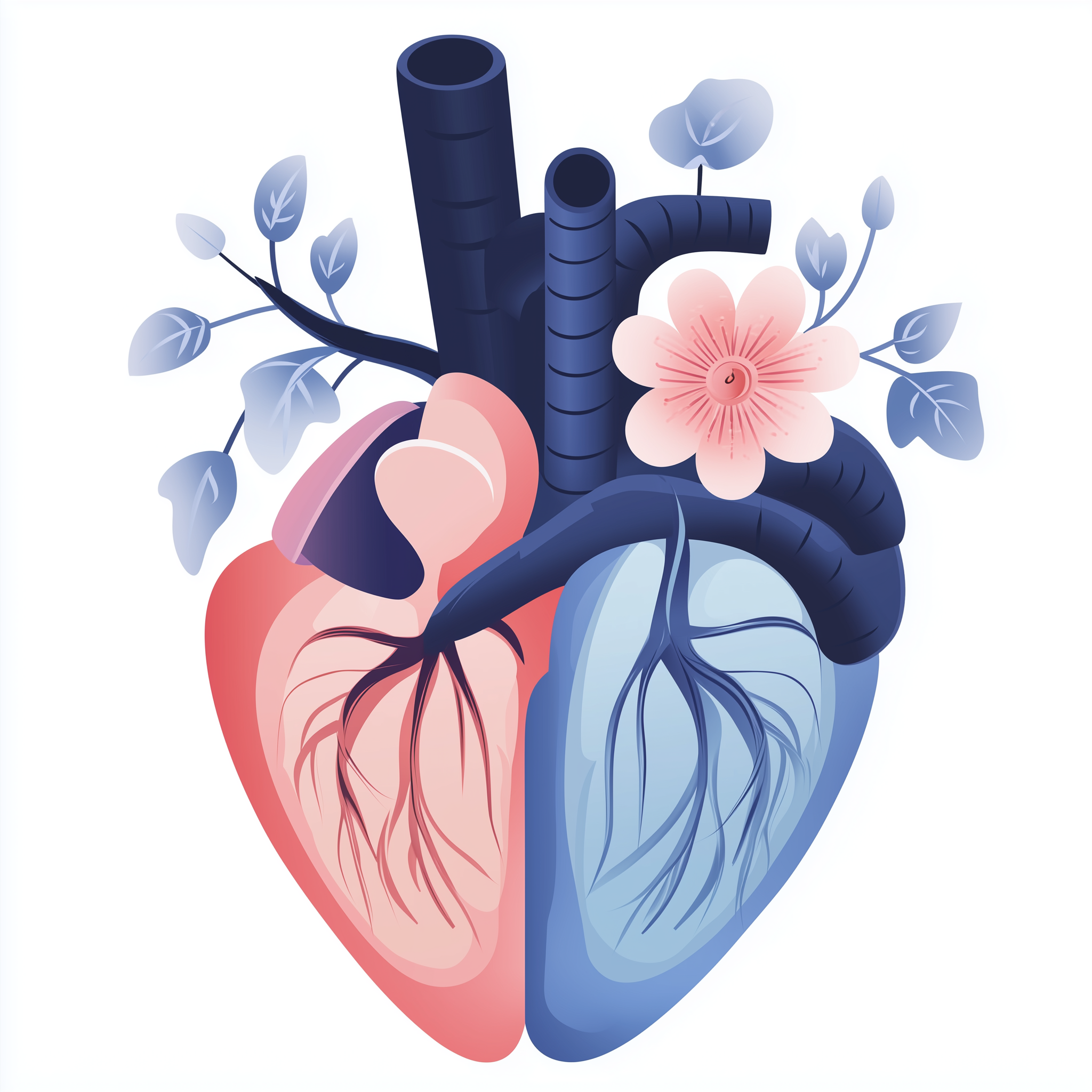
Congenital heart disease primarily affects the heart and its associated major blood vessels. The heart is a muscular organ responsible for pumping blood around the body. Defects can occur in the walls (septa) separating the heart chambers, the heart valves that control blood flow, or the large arteries and veins that carry blood to and from the heart.
Specific structures commonly affected include the ventricular septum (between the lower chambers), the atrial septum (between the upper chambers), the aortic valve, pulmonary valve, and the great arteries (aorta and pulmonary artery). These structural changes can disrupt the normal flow of blood, impacting the oxygen supply to various body tissues.

Risks & severity
The severity of non-syndromic congenital heart disease can vary from mild to life-threatening. Some minor heart defects, such as a small ventricular septal defect, may close on their own over time and require little to no intervention. More complex defects, like hypoplastic left heart syndrome, are severe and require extensive medical and surgical management, often starting in the newborn period.
Individuals with CHD may be at increased risk for complications such as heart rhythm problems, heart failure, and pulmonary hypertension (high blood pressure in the lung arteries) [PMID:28736340]. The lifetime risks depend heavily on the specific defect and the success of medical or surgical interventions. Regular follow-up with a cardiologist is crucial throughout life for individuals with CHD, even for those who have undergone successful repairs.
Genetic causes
Non-syndromic congenital heart disease often has a complex genetic basis, meaning it can be influenced by multiple genetic factors as well as environmental factors. This is referred to as polygenic or multifactorial inheritance. While many cases are sporadic (not inherited in a clear pattern), specific gene changes have been identified that increase the risk of developing CHD.
Genes such as GATA4, NKX2-5, and TBX5 are known to play crucial roles in early heart development. GATA4 and NKX2-5 are transcription factors, which are proteins that help control which genes are switched on or off during development [PMID:28736340]. TBX5 is also a transcription factor essential for the proper formation of the limbs and heart. Pathogenic changes in these genes can disrupt the intricate processes required for the heart to form correctly, leading to various types of CHD.
Inheritance pattern
Non-syndromic congenital heart disease typically follows a complex or multifactorial inheritance pattern. This means it is thought to be caused by a combination of genetic factors, often involving multiple genes, interacting with environmental influences during foetal development. This is different from conditions caused by a change in a single gene.
While a specific family history of CHD can slightly increase the risk for relatives, there isn't a simple dominant or recessive inheritance pattern for most non-syndromic cases. The overall risk for subsequent children or close relatives to have CHD is generally low, but higher than in the general population. Genetic counselling can provide personalized risk assessments based on an individual's specific family history.
Diagnosis & testing
Congenital heart disease is often first suspected during pregnancy through routine antenatal scans, such as a foetal anomaly scan. After birth, a diagnosis may arise from the detection of a heart murmur during a newborn check, or if an infant shows symptoms like difficulty breathing or feeding. The primary diagnostic tool is an echocardiogram, which is an ultrasound scan that provides detailed images of the heart's structure and function.
Other tests that may be used include electrocardiograms (ECGs) to check the heart's electrical activity, chest X-rays to look at the heart and lungs, and cardiac MRI or CT scans for more detailed anatomical information. For cases where a genetic cause is suspected, particularly if there are other features present, referral to a clinical geneticist may lead to genetic testing. The NHS Genomic Medicine Service offers diagnostic testing for various heart conditions under specific R-codes, such as R189 Congenital heart defects.
Management & lifestyle
Managing non-syndromic congenital heart disease focuses on addressing the specific heart defect and its impact on the individual's health. The management plan is highly individualised and will depend on the type and severity of the condition. For some mild defects, careful monitoring by a paediatric cardiologist may be sufficient without intervention. For more significant defects, medical treatments, such as medications to help the heart function more efficiently, or surgical interventions may be required.
These may include catheter procedures or open-heart surgery to repair defects, replace valves, or restructure the heart and great vessels. Individuals with CHD require ongoing, lifelong follow-up with specialist cardiac care, initially with paediatric cardiologists and then transitioning to adult congenital heart disease (ACHD) services in the NHS. Lifestyle considerations, such as maintaining a healthy diet and appropriate physical activity, are important, and individuals are typically advised by their cardiologist on safe exercise levels.
UK care pathway
In the UK, individuals with suspected or diagnosed congenital heart disease are managed through specialist NHS services. If CHD is suspected, a referral is typically made to a paediatric cardiologist or, for adults, to an adult congenital heart disease specialist. Genetic testing for congenital heart defects, if indicated, is available via the NHS Genomic Medicine Service (GMS) under specific R-codes like R189 (Congenital heart defects).
Referrals for genetic counselling can also be made through these specialist clinics or a GP if there are concerns about inherited risk within the family. Genetic counsellors can provide information about inheritance patterns, recurrence risks, and coordinate genetic testing.
Frequently asked questions
What does 'non-syndromic' mean for congenital heart disease?
'Non-syndromic' means that the heart defect occurs in isolation, without being part of a broader pattern of other health problems, birth differences, or developmental concerns that would indicate a recognised genetic syndrome. The heart is the primary organ affected.
Can congenital heart disease be prevented?
For most non-syndromic congenital heart disease cases, there are no known specific preventative measures because the causes are complex and often involve multiple genetic and environmental factors. However, avoiding certain medications or substances during pregnancy, maintaining good maternal health, and taking folic acid supplements are generally recommended for overall foetal health.
Will my child need surgery for their congenital heart disease?
Whether surgery is needed depends entirely on the specific type and severity of your child's heart defect. Some minor defects may resolve on their own or can be managed with medication. More significant defects often require surgical intervention or catheter-based procedures. Your child's cardiologist will discuss the best treatment plan.
What are the long-term prospects for someone with congenital heart disease?
Thanks to significant advances in medical and surgical treatments, the long-term prospects for individuals with congenital heart disease have greatly improved. Most individuals now survive into adulthood and can lead full lives, though lifelong specialist follow-up with an adult congenital heart disease (ACHD) service is typically required to monitor heart health.
Is non-syndromic congenital heart disease inherited?
Non-syndromic congenital heart disease typically has a complex inheritance pattern, meaning a combination of genetic and environmental factors contribute to its development. While having a close relative with CHD can slightly increase the risk, it does not usually follow a straightforward inherited pattern like single-gene disorders. Genetic counselling can provide more specific risk assessments.