

On this page
Cone-rod dystrophy (ABCA4)
This rare inherited disorder primarily affects the cone and rod cells in the retina, crucial for both central and peripheral vision. It typically results in declining visual acuity, usually becoming apparent during childhood or adolescence.
Available at Jeen Health
Clinical tests that include this
Overview
Cone-rod dystrophy (ABCA4) is a rare inherited eye condition that causes progressive damage to the retina. The retina is a light-sensitive layer at the back of the eye, containing specialised cells called photoreceptors. These photoreceptors include two main types: cones, which are responsible for detailed central vision and colour perception, and rods, which handle peripheral vision and sight in dim light. In cone-rod dystrophy, both types of photoreceptors are affected, though cone cells tend to deteriorate earlier or more severely [PMID:33659423].
The condition leads to a gradual decline in vision, which can significantly impact daily activities. While the specific rate of progression can vary, symptoms often become noticeable in childhood or adolescence. Cone-rod dystrophies are classified by the initial and predominant involvement of cone photoreceptors, followed by rod photoreceptors, distinguishing them from rod-cone dystrophies (such as retinitis pigmentosa) where rods are affected first.
Symptoms & clinical features
Individuals with cone-rod dystrophy (ABCA4) typically experience a range of visual symptoms that worsen over time. One of the earliest signs is often a decrease in central vision, leading to difficulty with tasks requiring fine detail, such as reading, recognising faces, or distinguishing colours. Affected individuals may also experience photophobia, which is an increased sensitivity to bright light [PMID:33659423].
As the condition progresses, night blindness (nyctalopia) can develop, making it challenging to see in low-light environments. Peripheral vision may also gradually decline, leading to a constricted field of vision. The age at which symptoms begin and their severity can differ between individuals, even within the same family. In some cases, involuntary eye movements, known as nystagmus, may also be present.
Video: Genetics 101
Affected organs
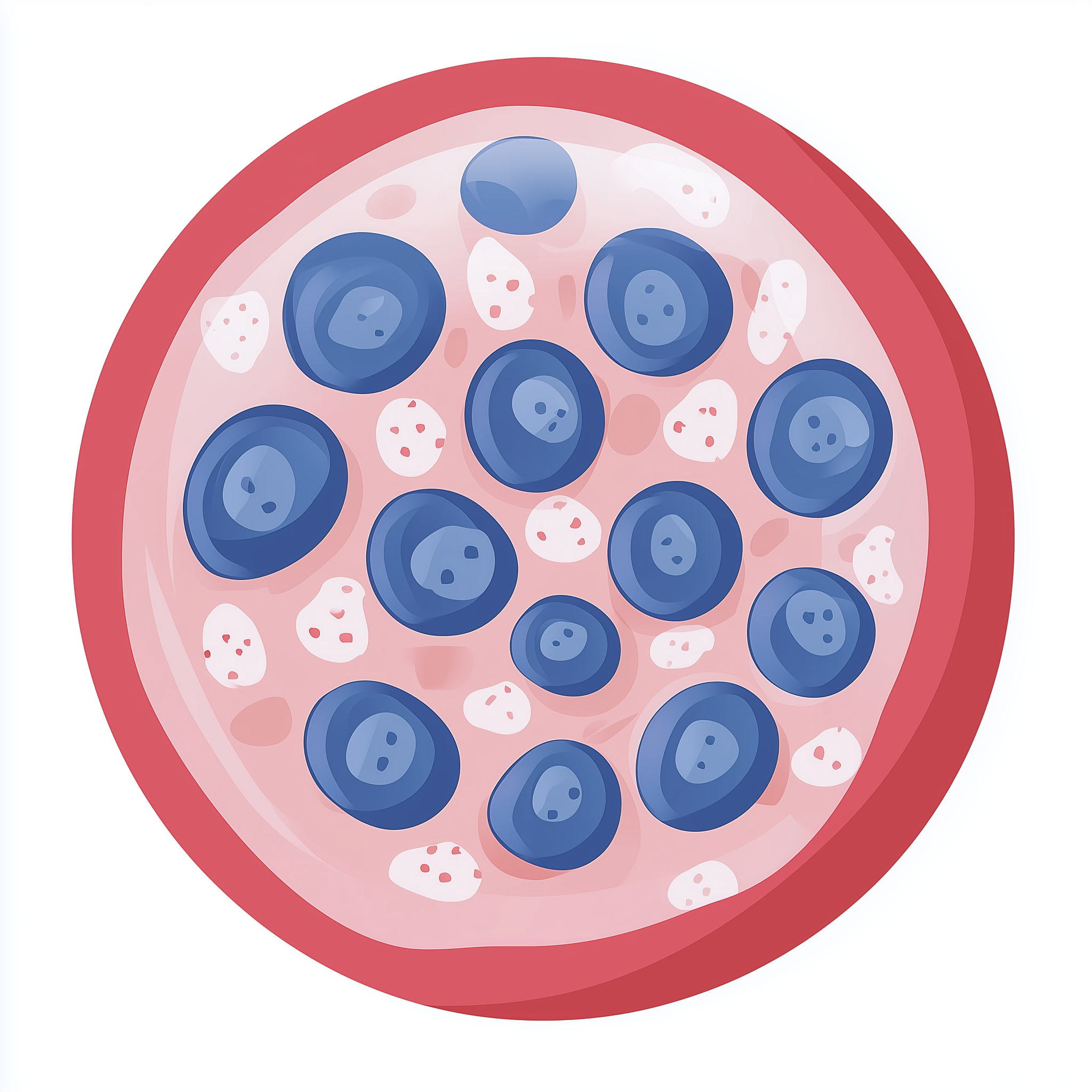
Cone-rod dystrophy (ABCA4) primarily affects the eyes, specifically the retina. Within the retina, the photoreceptor cells - the cones and rods - are the main cells that degenerate. The macula, the central part of the retina responsible for sharp, detailed vision, is often significantly impacted due to its high concentration of cone cells. The retinal pigment epithelium (RPE), a layer of cells that supports and nourishes the photoreceptors, can also be affected, contributing to the overall retinal dysfunction and degeneration [PMID:33659423].

Risks & severity
Cone-rod dystrophy (ABCA4) is a progressive condition, meaning vision loss tends to worsen over an individual's lifetime. The severity and rate of progression are variable, but many affected individuals experience significant visual impairment, often leading to legal blindness, by adulthood. The onset of symptoms typically occurs during childhood or adolescence, though it can sometimes manifest later.
While the condition primarily impacts vision, it does not generally affect other organ systems. The main long-term risk relates to the degree of vision loss and its impact on independence and quality of life. Regular ophthalmic evaluations are important to monitor disease progression and manage any associated vision-related challenges.
Genetic causes
Cone-rod dystrophy (ABCA4) is caused by pathogenic variants in the ABCA4 gene. This gene provides instructions for making a protein known as ATP-binding cassette sub-family A member 4 [PMID:30137910]. This protein is a transporter found in the photoreceptor cells of the retina, particularly in the outer segments of rod and cone cells.
The ABCA4 protein plays a crucial role in cycling retinoids, which are essential molecules involved in the visual process, out of the photoreceptor cells. When the ABCA4 gene has pathogenic variants, the protein may not function correctly or may be absent. This leads to an accumulation of toxic by-products within the photoreceptor cells, such as lipofuscin. This build-up causes damage and eventual degeneration of these cells, resulting in the vision loss characteristic of cone-rod dystrophy and related conditions like Stargardt disease [PMID:30137910].
- ABCA4 ATP binding cassette subfamily A member 4The ABCA4 gene provides instructions for a protein vital for healthy vision, primarily by transporting waste products from photoreceptor cells in the retina.
Inheritance pattern
Cone-rod dystrophy (ABCA4) is inherited in an autosomal recessive pattern. This means that an individual must inherit two copies of a pathogenic ABCA4 variant - one from each parent - to develop the condition. People who have only one copy of a pathogenic ABCA4 variant are known as carriers; they typically do not show symptoms of the condition themselves but can pass the variant on to their children.
If both parents are carriers, there is a 25% chance with each pregnancy that their child will inherit two pathogenic variants and develop cone-rod dystrophy (ABCA4). There is a 50% chance the child will be a carrier like the parents, and a 25% chance the child will inherit no pathogenic variants. Family members of an affected individual may wish to consider genetic counselling to understand their own carrier status and the associated risks for future generations.
When both parents are carriers, each child has a 25% chance of being affected, 50% of being a carrier, and 25% of being unaffected.
Diagnosis & testing
Diagnosing cone-rod dystrophy (ABCA4) typically involves a combination of clinical eye examinations and genetic testing. An ophthalmologist will conduct a thorough assessment, which may include visual acuity tests, colour vision tests, visual field assessments, and electroretinography (ERG) to measure the electrical activity of the retina. Optical coherence tomography (OCT) and fundus autofluorescence imaging (FAF) can also be used to visualise the structure and health of the retina.
Genetic testing is crucial for confirming the diagnosis and identifying the specific pathogenic variants in the ABCA4 gene. This information can be important for prognosis, family planning, and determining eligibility for future clinical trials. In the UK, genetic testing for inherited retinal dystrophies is accessible through the NHS Genomic Medicine Service (GMS), often following a referral from an ophthalmologist or clinical geneticist. Relevant NHS R-codes would include those for inherited retinal disease panels.
Management & lifestyle
Currently, there is no cure for cone-rod dystrophy (ABCA4), and management focuses on supporting individuals with their vision and providing symptomatic relief. Regular monitoring by an ophthalmologist is recommended to track disease progression and address any complications. Low vision aids, such as magnifiers, large-print materials, and specialised electronic devices, can help individuals make the most of their remaining vision.
Protective eyewear, such as sunglasses with UV filters, can help manage photophobia and may offer some protection to the retina. Genetic counselling is an important part of managing the condition, providing information about inheritance patterns, recurrence risks, and support resources. Research into potential therapies, including gene therapy, is ongoing for ABCA4-related conditions, highlighting the importance of genetic diagnosis for future treatment options.
UK care pathway
In the UK, suspected cases of inherited retinal conditions like cone-rod dystrophy (ABCA4) are typically managed within the NHS Genomic Medicine Service (GMS) pathway. Patients are usually referred to an ophthalmologist, who may then refer to a clinical genetics service for diagnostic clarification and genetic testing. Genetic testing for relevant genes, including ABCA4, is available through specific NHS R-codes for inherited retinal dystrophies (e.g., R107 Retinal dystrophy). Genetic counsellors play a vital role, offering support and information regarding inheritance, family planning, and access to resources.
Frequently asked questions
What should I do if I think I or my child has cone-rod dystrophy?
If you suspect cone-rod dystrophy, you should speak to your GP, who can refer you to an ophthalmologist for a comprehensive eye examination. If an inherited retinal condition is suspected, they may then refer you for genetic testing through the NHS Genomic Medicine Service.
Is there a cure for cone-rod dystrophy (ABCA4)?
Currently, there is no cure for cone-rod dystrophy (ABCA4). Management focuses on supporting vision, managing symptoms, and providing aids for daily living. Research into potential therapies, such as gene therapy, is actively underway.
How quickly does vision loss progress?
The rate of vision loss in cone-rod dystrophy (ABCA4) can vary significantly between individuals. It is a progressive condition, meaning vision generally worsens over time, but the specific timeline is unpredictable and depends on individual factors and the nature of the specific genetic variant.
Can I pass cone-rod dystrophy (ABCA4) to my children?
Cone-rod dystrophy (ABCA4) is inherited in an autosomal recessive pattern. If you have the condition, all your children will inherit one copy of a pathogenic ABCA4 variant from you. If your partner is also a carrier, there is a chance your children could inherit two copies and develop the condition. Genetic counselling can provide personalised risk assessments.
Are cone-rod dystrophy and Stargardt disease the same?
No, they are distinct conditions but are both caused by pathogenic variants in the ABCA4 gene and can have overlapping symptoms. Stargardt disease primarily affects the macula and central vision, while cone-rod dystrophy involves broader degeneration of both cone and rod photoreceptors, often leading to earlier night blindness and peripheral vision loss.