

On this page
CDKL5 deficiency disorder
CDD is characterised by early-onset, difficult-to-control seizures (epilepsy) and significant developmental delay. It predominantly affects females and is caused by changes in the CDKL5 gene, impacting brain development and function.
Available at Jeen Health
Clinical tests that include this
Overview
CDKL5 deficiency disorder (CDD) is a rare neurological condition caused by pathogenic changes in the CDKL5 gene. Individuals with CDD typically experience severe, early-onset epilepsy that often begins in the first few months of life, alongside global developmental delay affecting motor skills, communication, and cognitive function [PMID:33675001]. While CDD can affect both sexes, it is observed more commonly and often with greater severity in females due to its X-linked inheritance pattern. This condition significantly impacts quality of life, requiring comprehensive medical and supportive care.
Historically, prior to the identification of the CDKL5 gene, many individuals with symptoms now recognised as CDD might have received a diagnosis of atypical Rett syndrome, infantile spasms, or other forms of early epileptic encephalopathy. Improved genetic testing means CDD is now increasingly diagnosed, allowing for more targeted care and research.
Symptoms & clinical features
The clinical features of CDD are primarily neurological. Early-onset epilepsy is a hallmark symptom, with seizures typically appearing within the first three months of life, often proving challenging to manage with medication [PMID:33675001]. seizure types can vary widely and may include infantile spasms, tonic-clonic seizures, and myoclonic seizures.
Beyond epilepsy, individuals with CDD experience significant developmental delays across multiple areas. These can include delays in sitting, crawling, and walking; difficulties with speech and communication, sometimes non-verbal; and cognitive impairment. Many also exhibit repetitive hand movements, similar to those seen in Rett syndrome. Other common features may involve sleep disturbances, gastrointestinal issues such as constipation and reflux, and sometimes impaired vision.
Video: Genetics 101
Affected organs
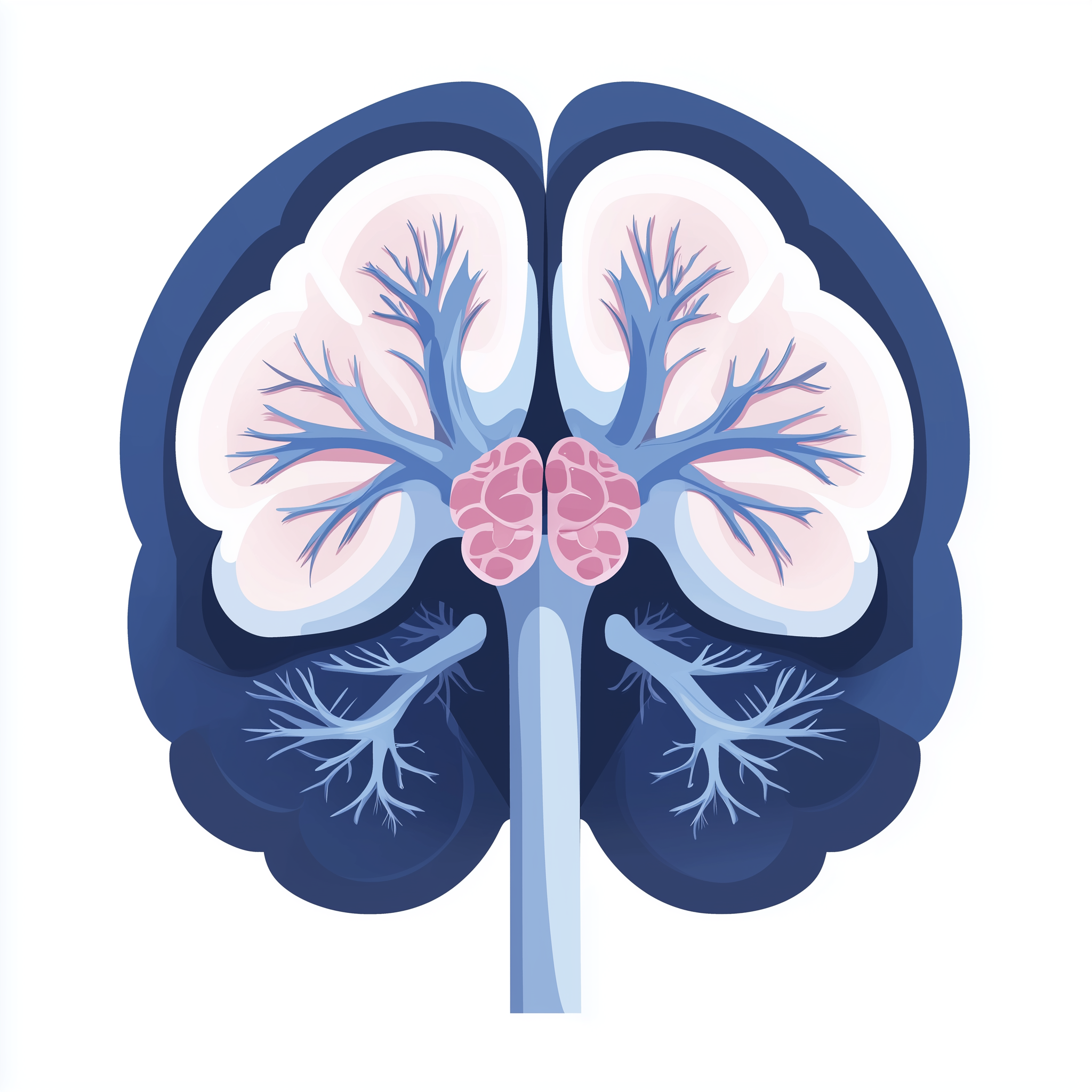
CDKL5 deficiency disorder primarily affects the central nervous system, particularly the brain. This impact on brain development and function leads to the characteristic severe epilepsy and developmental delays. While the primary effects are neurological, secondary impacts can be seen in other systems due to profound developmental challenges, such as difficulties with feeding and mobility affecting growth and musculoskeletal development.

Risks & severity
CDKL5 deficiency disorder is considered a severe condition with a broad spectrum of severity. The epilepsy is often refractory, meaning it does not respond well to standard treatments, and can persist throughout life. Developmental outcomes are generally poor, with most individuals requiring lifelong support for daily activities. The age of onset for seizures is typically very early, often within the first few weeks or months after birth [PMID:31862590].
While CDD is rare, its impact on affected individuals and their families is substantial. Life expectancy can vary but is often reduced due to complications associated with severe neurological impairment, such as aspiration, pneumonia, or prolonged seizures. Respiratory and feeding difficulties can also contribute to morbidity.
Genetic causes
CDKL5 deficiency disorder is caused by pathogenic variants in the CDKL5 gene. This gene provides instructions for making a protein called cyclin-dependent kinase-like 5. This protein is highly active in the brain, playing a crucial role in the normal development and function of nerve cells (neurons) [PMID:24127438]. Specifically, it is involved in processes like the formation, growth, and signalling of neurons.
When a pathogenic variant occurs in the CDKL5 gene, it disrupts the production or function of the CDKL5 protein. This disruption interferes with critical aspects of brain development and neural communication, leading to the severe neurological symptoms seen in CDD. Most pathogenic variants are de novo, meaning they arise spontaneously in the affected individual and are not inherited from the parents.
- CDKL5 cyclin dependent kinase like 5The CDKL5 gene provides instructions for a protein crucial for normal brain development and function, with variants in this gene linked to severe neurological conditions.
Inheritance pattern
CDKL5 deficiency disorder has an X-linked recessive (XLR) pattern of inheritance. This means the CDKL5 gene is located on the X chromosome. Females have two X chromosomes, while males have one X and one Y chromosome.
In females, having one altered CDKL5 gene on one X chromosome and a working copy on the other X chromosome often leads to symptoms, although they can sometimes be less severe than in males. In males, who only have one X chromosome, an altered CDKL5 gene will typically lead to the full-blown condition. This explains why females are more commonly affected, but males can also develop the disorder, sometimes with very severe symptoms. In most cases of CDD, the genetic change is *de novo*, meaning it is a new change and was not inherited from either parent.
X-linked recessive: sons of a carrier mother have a 50% chance of being affected. Daughters have a 50% chance of being carriers.
Diagnosis & testing
Diagnosis of CDKL5 deficiency disorder is typically suspected based on clinical signs, particularly early-onset, severe epilepsy and significant developmental delay. Confirmation of the diagnosis requires genetic testing to identify a pathogenic variant in the CDKL5 gene. This testing is usually performed using a blood sample.
In the UK, suspected cases might be referred to a clinical geneticist or neurologist. Genetic testing for CDD can be accessed through the NHS Genomic Medicine Service, often via relevant R-codes for epilepsies and developmental disorders. Referral would generally come from a paediatrician or neurologist who observes the characteristic symptoms. Genetic counselling is an important part of the diagnostic process, providing information and support to families.
Management & lifestyle
Currently, there is no cure for CDKL5 deficiency disorder, and management focuses on addressing symptoms and providing supportive care. Treatment strategies are individualised and often involve a multidisciplinary team of specialists including neurologists, developmental paediatricians, physiotherapists, occupational therapists, speech and language therapists, and dieticians.
Management typically includes medications to control seizures, which can sometimes be very challenging. Physical, occupational, and speech therapy are crucial for maximising developmental potential and improving quality of life. Supportive measures for feeding difficulties, sleep disturbances, and gastrointestinal issues are also important. Regular monitoring and adjustments to care plans are essential to meet the evolving needs of individuals with CDD. Families are encouraged to engage with local NHS services and patient support groups.
UK care pathway
In the UK, individuals suspected of having genetic conditions like CDKL5 deficiency disorder are typically referred to specialist services within the NHS. This pathway often begins with a general practitioner or paediatrician, who would refer to a neurologist or clinical geneticist. Genetic testing to confirm a diagnosis, accessible through the NHS Genomic Medicine Service, may involve specific R-codes for early-onset epilepsies or severe developmental disorders. Following diagnosis, individuals and their families can access support from clinical genetics teams, including genetic counsellors, who provide information, support, and help coordinate aspects of ongoing care.
Frequently asked questions
What is the typical age when symptoms of CDKL5 deficiency disorder appear?
Symptoms of CDKL5 deficiency disorder typically appear very early in life, with seizures often starting within the first three months after birth. Developmental delays are usually noticeable in the first year.
Is CDKL5 deficiency disorder more common in boys or girls?
CDKL5 deficiency disorder is more commonly observed and often presents with greater severity in females, though it can affect both sexes. This is because the CDKL5 gene is located on the X chromosome.
Can CDKL5 deficiency disorder be inherited from parents?
In most cases, CDKL5 deficiency disorder is caused by a new genetic change (de novo variant) that was not inherited from either parent. However, in rare instances, a parent may be an unaffected carrier, especially females, which would increase the chance of recurrence.
Are there any treatments available for CDKL5 deficiency disorder?
There is currently no cure for CDKL5 deficiency disorder. Treatment focuses on managing symptoms, particularly controlling seizures with medication, and providing extensive supportive therapies such such as physiotherapy, occupational therapy, and speech therapy.
Where can I find support for CDKL5 deficiency disorder in the UK?
In the UK, families often find support through their clinical genetics team, paediatric neurologists, and specialist rare disease organisations. Patient advocacy groups also provide valuable resources and community support for CDD.
References
- Leonard H, Downs J, Benke TA. CDKL5 deficiency disorder: clinical features, diagnosis, and management. The Lancet. Neurology. 2022. PMID: 35483386
- Adam MP, Bick S, Mirzaa GM. CDKL5 Deficiency Disorder. 1993. PMID: 38603524
- Knight EMP, Amin S, Bahi-Buisson N. Safety and efficacy of ganaxolone in patients with CDKL5 deficiency disorder: results from the double-blind phase of a randomised, placebo-controlled, phase 3 trial. The Lancet. Neurology. 2022. PMID: 35429480
- Lamb YN. Ganaxolone: First Approval. Drugs. 2022. PMID: 35596878
- Demarest S, Pestana-Knight EM, Olson HE. Severity Assessment in CDKL5 Deficiency Disorder. Pediatric neurology. 2019. PMID: 31147226
- Kadam SD, Sullivan BJ, Goyal A. Rett Syndrome and CDKL5 Deficiency Disorder: From Bench to Clinic. International journal of molecular sciences. 2019. PMID: 31618813
- Van Bergen NJ, Massey S, Quigley A. CDKL5 deficiency disorder: molecular insights and mechanisms of pathogenicity to fast-track therapeutic development. Biochemical Society transactions. 2022. PMID: 35997111
- Hong W, Haviland I, Pestana-Knight E. CDKL5 Deficiency Disorder-Related Epilepsy: A Review of Current and Emerging Treatment. CNS drugs. 2022. PMID: 35633486