

On this page
Brain-lung-thyroid syndrome
This syndrome is caused by alterations in the *NKX2-1* gene and typically presents with a combination of neurological, respiratory, and thyroid problems. Its effects vary, but individuals often experience issues such as low muscle tone, breathing difficulties, and underactive thyroid.
Overview
Brain-lung-thyroid syndrome is a rare genetic condition primarily affecting the brain, lungs, and thyroid gland. It is also known as choreoathetosis, congenital hypothyroidism, and neonatal respiratory distress syndrome (NB-CNS-CH) or benign hereditary chorea with thyroid and lung disease. The specific combination and severity of symptoms can differ among individuals, even within the same family [PMID:17702812]. This variability means that some people may experience issues in all three areas, while others might only have problems in one or two.
This syndrome is caused by changes in the *NKX2-1* gene, which plays a crucial role in the early development of these organs. Because the gene is involved in multiple systems, its disruption can lead to a range of health challenges. While the exact prevalence is not well established due to its rarity and variable presentation, understanding the genetic basis is key to diagnosis and management.
Symptoms & clinical features
The symptoms of Brain-lung-thyroid syndrome can be grouped into three main categories: neurological, respiratory, and thyroid-related. Neurological features often include developmental delay, learning difficulties, and movement disorders such as chorea (involuntary, jerky movements) or athetosis (slow, writhing movements) [PMID:24177708]. These movement issues can sometimes be challenging to manage and may affect daily activities.
Respiratory symptoms commonly manifest as chronic lung disease, which can include conditions like interstitial lung disease - a group of disorders that cause progressive scarring of lung tissue. Individuals may experience recurrent lung infections, breathing difficulties, or a tendency towards developing lung conditions even from infancy. Thyroid problems typically involve congenital hypothyroidism, meaning the thyroid gland is underactive from birth. This can lead to symptoms such as fatigue, constipation, and developmental delays if not treated promptly with thyroid hormone replacement [PMID:24177708].
Video: Genetics 101
Affected organs
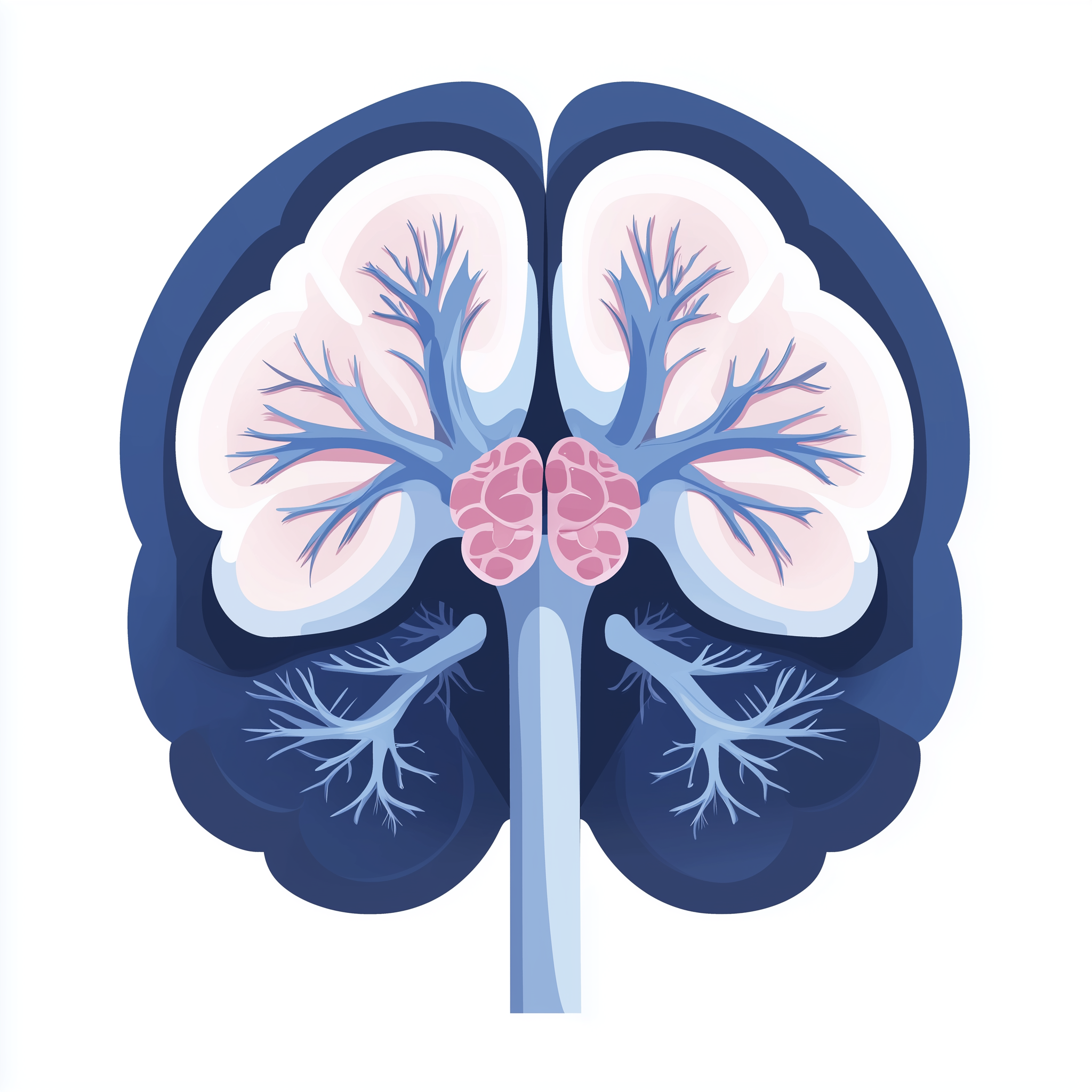
The primary organs affected by Brain-lung-thyroid syndrome are the brain, lungs, and thyroid gland. In the brain, the impact can include effects on motor control centres, leading to the characteristic movement disorders. The developing brain may also show differences that contribute to developmental delays and intellectual disabilities in some cases.
In the lungs, the syndrome can lead to structural or functional abnormalities that impair breathing. This can range from mild, persistent respiratory issues to more severe chronic lung disease. The thyroid gland is often underactive, producing insufficient thyroid hormones essential for growth and metabolism.
Risks & severity
The severity of Brain-lung-thyroid syndrome varies considerably between individuals. Some people might have relatively mild symptoms, while others face significant challenges across all three affected systems. The neurological symptoms, particularly the movement disorders and developmental delay, typically emerge in infancy or early childhood. Respiratory and thyroid issues can be present from birth, requiring early detection and management.
Although specific lifetime risks for complications are not precisely quantified due to the syndrome's rarity, untreated congenital hypothyroidism can lead to severe developmental consequences. Chronic lung disease may increase the risk of respiratory infections and long-term breathing difficulties. There is no typical age of onset for the syndrome itself, as it is a congenital condition with manifestations appearing in early life.
Genetic causes
Brain-lung-thyroid syndrome is caused by pathogenic variants in the *NKX2-1* gene, located on chromosome 14 [PMID:19001511]. The *NKX2-1* gene provides instructions for making a protein that acts as a transcription factor. Transcription factors are proteins that bind to specific regions of DNA and help control the activity of other genes.
The *NKX2-1* protein is crucial for the normal development of the thyroid, lungs, and parts of the brain, particularly the basal ganglia, which are involved in movement control [PMID:24177708]. When a pathogenic variant occurs in *NKX2-1*, it disrupts the gene's ability to produce a functional protein or affects its function. This impaired protein function then interferes with the normal developmental processes in these organs, leading to the characteristic features of Brain-lung-thyroid syndrome.
- NKX2-1 NK2 homeobox 1
Inheritance pattern
Brain-lung-thyroid syndrome follows an autosomal dominant inheritance pattern. This means that an individual only needs one copy of the altered *NKX2-1* gene in each cell to develop the condition. In most cases, a person inherits the altered gene from one affected parent. However, in some individuals, the genetic change can occur spontaneously (de novo) and is not inherited from either parent.
If one parent has Brain-lung-thyroid syndrome, there is a 50% chance with each pregnancy that their child will inherit the altered gene and develop the condition. For individuals with a de novo variant, the risk to their future children would depend on whether the variant is present in their germline cells (egg or sperm). Genetic counselling is recommended for affected individuals and their families to understand the specific inheritance risks.
Each child of an affected parent has a 50% chance of inheriting the pathogenic variant, regardless of sex.
Diagnosis & testing
Diagnosing Brain-lung-thyroid syndrome typically begins with a clinical suspicion based on the presence of characteristic symptoms affecting the brain, lungs, and thyroid. Early identification of congenital hypothyroidism through newborn screening programmes in the UK is often a first step, followed by investigation of neurological or respiratory issues.
Confirmation of the diagnosis is achieved through genetic testing, which looks for pathogenic variants in the *NKX2-1* gene. Referrals for genetic testing are typically made by paediatricians, neurologists, or endocrinologists who suspect the condition. Testing for *NKX2-1* changes is part of the NHS Genomic Medicine Service, covered by specific R-codes for syndromic intellectual disability or endocrine disorders, ensuring access for eligible patients.
Management & lifestyle
Management of Brain-lung-thyroid syndrome focuses on addressing the specific symptoms and challenges an individual faces. As there is no cure, treatment is supportive and aims to optimise health and quality of life. Regular monitoring and care by a multidisciplinary team are often necessary.
Thyroid hormone replacement therapy is crucial for congenital hypothyroidism to prevent developmental problems. Respiratory issues may require interventions such as oxygen therapy, medication to manage airway inflammation, or physiotherapy. Neurological symptoms, including developmental delay and movement disorders, can be supported through various therapies such as physiotherapy, occupational therapy, and speech and language therapy. These interventions are often coordinated through paediatric services within the NHS, with advice from genetic counsellors to help families understand the condition and its implications.
UK care pathway
In the UK, individuals with suspected Brain-lung-thyroid syndrome would typically enter the NHS Genomic Medicine Service pathway. This often starts with a referral from a specialist, such as a paediatrician or endocrinologist, to a clinical genetics service. Clinical geneticists and genetic counsellors provide comprehensive support, including confirming a diagnosis through genetic testing (often via specific R-codes within the national testing directory), explaining the condition, and discussing inheritance patterns and family planning options. They also help coordinate care with other specialist teams as needed.
Frequently asked questions
What is the main cause of Brain-lung-thyroid syndrome?
Brain-lung-thyroid syndrome is caused by genetic changes (pathogenic variants) in the *NKX2-1* gene. This gene is vital for the proper development of the brain, lungs, and thyroid gland.
Is Brain-lung-thyroid syndrome inherited?
Yes, it is inherited in an autosomal dominant pattern. This means only one copy of the altered gene is needed to cause the syndrome. It can be passed on from an affected parent, or occur as a new (de novo) genetic change in an individual.
How is Brain-lung-thyroid syndrome diagnosed?
Diagnosis is generally confirmed through genetic testing, which identifies pathogenic variants in the *NKX2-1* gene. This testing is usually initiated after a clinical suspicion based on the presence of neurological, respiratory, and thyroid symptoms.
Can Brain-lung-thyroid syndrome be cured?
There is currently no cure for Brain-lung-thyroid syndrome. Management focuses on treating the specific symptoms, such as thyroid hormone replacement for an underactive thyroid and various therapies for neurological and respiratory issues, to improve quality of life.
What kind of doctors treat Brain-lung-thyroid syndrome?
Care for this syndrome typically involves a team of specialists, including paediatricians, neurologists, endocrinologists, respiratory specialists, and geneticists. Genetic counsellors also play an important role in supporting families.
References
- Adam MP, Bick S, Mirzaa GM. NKX2-1-Related Disorders. 1993. PMID: 24555207
- Liang R, Ou S, Ding Y. A case of brain-lung-thyroid syndrome. Zhong nan da xue xue bao. Yi xue ban = Journal of Central South University. Medical sciences. 2022. PMID: 35545334
- Peall KJ, Kurian MA. Benign Hereditary Chorea: An Update. Tremor and other hyperkinetic movements (New York, N.Y.). 2015. PMID: 26196025
- Farrenburg M, Gupta HV. Levodopa-Responsive Chorea: A Review. Annals of Indian Academy of Neurology. 2020. PMID: 32189864
- Magrinelli F, Rocca C, Simone R. Detection and Characterization of a De Novo Alu Retrotransposition Event Causing NKX2-1-Related Disorder. Movement disorders : official journal of the Movement Disorder Society. 2023. PMID: 36420574
- Inzelberg R, Weinberger M, Gak E. Benign hereditary chorea: an update. Parkinsonism & related disorders. 2011. PMID: 21292530
- Invernizzi F, Zorzi G, Legati A. Benign hereditary chorea and deletions outside NKX2-1: What's the role of MBIP? European journal of medical genetics. 2018. PMID: 29621620
- Soreze Y, Nathan N, Jegard J. Acinar Dysplasia in a Full-Term Newborn with a NKX2.1 Variant. Neonatology. 2024. PMID: 38035569