

On this page
Bohring-Opitz syndrome
This condition affects multiple body systems and typically becomes apparent in early infancy. Most affected individuals have significant feeding difficulties, developmental challenges, and require lifelong care. The condition is caused by changes in the ASXL1 gene.
Available at Jeen Health
Clinical tests that include this
Overview
Bohring-Opitz syndrome is a very rare genetic disorder that affects development from birth. Children with this condition typically present with profound intellectual disability, a distinctive appearance, and characteristic body posturing. The syndrome was first described in the 1990s and remains uncommon, with fewer than 100 cases documented in medical literature worldwide.
The condition arises from spontaneous genetic changes that occur for the first time in the affected individual, meaning parents typically do not carry the genetic variant. Most affected children face significant developmental challenges and require extensive medical support throughout their lives. Because of the rarity of this syndrome, many healthcare professionals may have limited direct experience with it, making specialist genetic services particularly important for families.
Symptoms & clinical features
Affected infants often display a characteristic posture known as the Bohring-Opitz syndrome (BOS) posture, where the arms are flexed at the elbows with wrists and fingers also bent. Facial features typically include prominent eyes, a broad nasal bridge, and low-set ears. Many children experience severe feeding difficulties from birth, often requiring tube feeding for adequate nutrition.
Developmental delay is profound in most cases, with affected individuals achieving few or no developmental milestones. Seizures occur in many children with the condition, sometimes proving difficult to control with medication. Growth is often affected, with many children showing failure to thrive despite nutritional support. Additional features may include vision problems, hearing impairment, and heart abnormalities. The severity and combination of symptoms can vary between individuals, though the overall clinical picture tends to be recognisable to experienced clinicians.
Video: Genetics 101
Affected organs
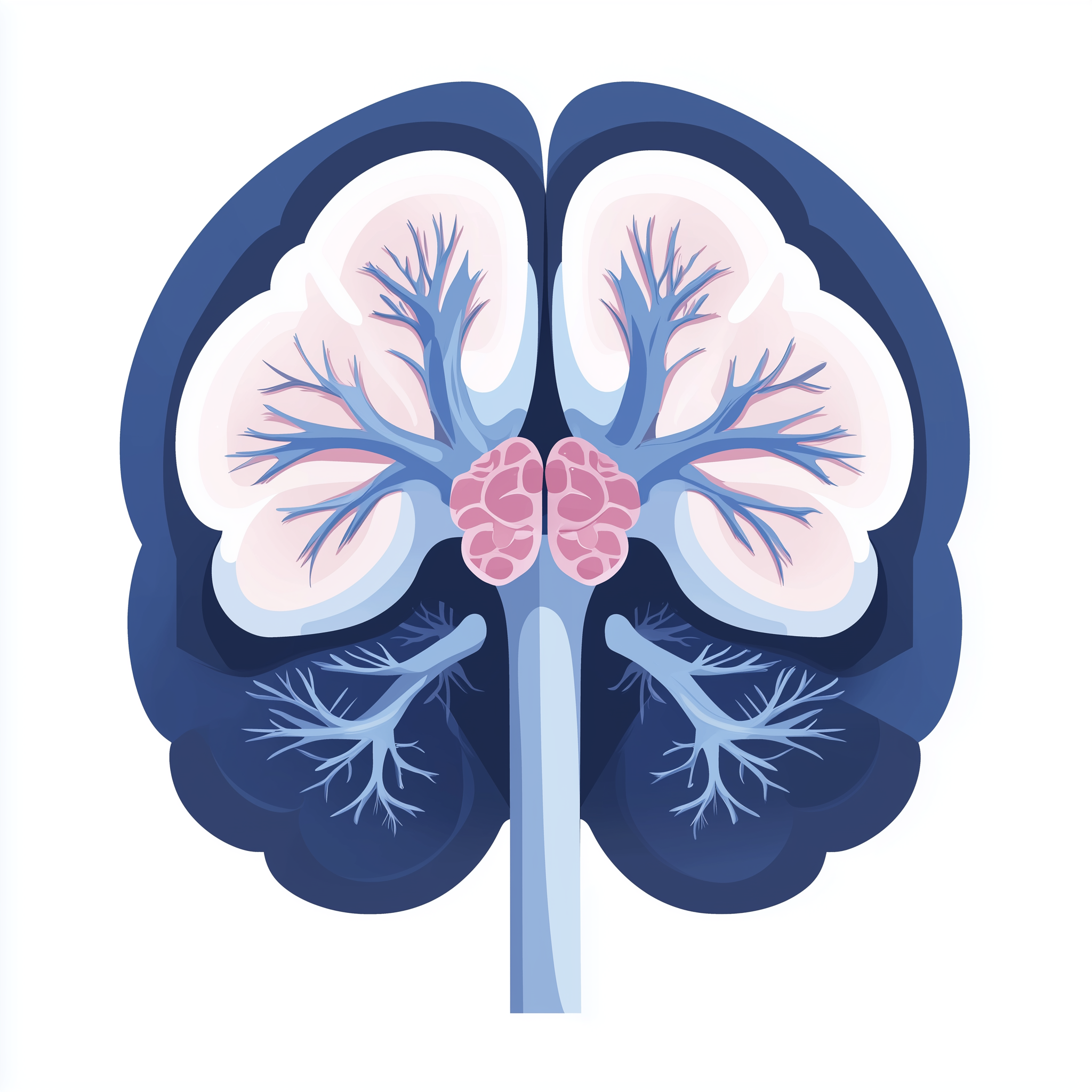
The nervous system bears the most significant impact, with structural brain abnormalities frequently identified on imaging studies. These may include underdevelopment of certain brain regions or abnormal brain architecture. The musculoskeletal system is also notably affected, with the characteristic limb posturing and potential joint contractures developing over time.
Other body systems commonly involved include the heart, where congenital heart defects may be present, and the kidneys, which can show structural abnormalities. The gastrointestinal system is affected through severe feeding difficulties and gastro-oesophageal reflux. Vision and hearing may be impaired due to structural eye abnormalities or sensorineural hearing loss. The widespread nature of these features reflects the fundamental role that the affected gene plays during early development.

Risks & severity
Bohring-Opitz syndrome represents one of the more severe developmental disorders, with profound impact on quality of life and life expectancy. Many affected individuals face life-limiting complications, and sadly, survival beyond early childhood is not always achieved. Serious medical complications can include severe epilepsy, recurrent infections, feeding difficulties leading to aspiration pneumonia, and complications from heart defects.
The severity appears relatively consistent across affected individuals, with all experiencing significant intellectual disability and requiring full-time care. Whilst some children may achieve basic responses to their environment, independent living skills do not develop. Families caring for a child with Bohring-Opitz syndrome face substantial practical and emotional challenges, making access to appropriate medical, social, and psychological support essential.
Genetic causes
Bohring-Opitz syndrome results from pathogenic variants in ASXL1, which provides instructions for producing a protein involved in regulating gene expression throughout development. The ASXL1 protein functions as part of larger protein complexes that help control which genes are switched on or off in developing cells, playing a crucial role in establishing normal body structures and organ systems during embryonic development.
When loss-of-function variants occur in ASXL1, the protein either cannot be produced or cannot function properly. This disrupts the careful orchestration of gene activity required for normal development, leading to the multiple abnormalities seen in affected individuals. Nearly all cases arise from de novo variants, meaning the genetic change occurs spontaneously in the egg, sperm, or very early embryo, rather than being inherited from either parent. Interestingly, somatic variants in ASXL1 (changes that occur in blood cells rather than being present from conception) are associated with certain blood cancers in adults, highlighting the gene's importance in regulating cell growth and differentiation.
- ASXL1 ASXL transcriptional regulator 1ASXL1 encodes a chromatin remodelling protein that controls gene expression during development and is associated with both inherited developmental conditions and acquired blood cancers.
Inheritance pattern
Bohring-Opitz syndrome follows an autosomal dominant pattern, meaning only one altered copy of ASXL1 is sufficient to cause the condition. However, affected individuals nearly always represent the first case in their family, with the genetic change arising spontaneously rather than being passed down from a parent.
Because the variants occur de novo, parents of an affected child typically have an extremely low chance of having another child with the same condition - the recurrence risk is often quoted as less than 1%. This low risk exists because germline mosaicism (where a parent carries the variant in some of their egg or sperm cells but not in their body cells) remains theoretically possible, though exceptionally rare. Affected individuals themselves are extremely unlikely to have children due to the severity of the condition. Families concerned about recurrence risk should discuss their specific situation with a genetic counsellor, who can provide personalised information and arrange testing if appropriate.
Each child has a 50% chance of inheriting the pathogenic variant, regardless of sex.
Diagnosis & testing
Diagnosis of Bohring-Opitz syndrome typically begins with clinical recognition of the characteristic features, particularly the distinctive posture and facial appearance in an infant with severe developmental difficulties. A paediatrician or clinical geneticist may suspect the diagnosis based on physical examination and developmental assessment.
Confirmation requires genetic testing, specifically sequencing of the ASXL1 gene, which can be requested through the NHS Genomic Medicine Service. Within the UK system, this would typically fall under rare disease testing pathways. A clinical geneticist or consultant paediatrician can initiate the referral for genetic testing when Bohring-Opitz syndrome is clinically suspected. Genetic counselling should be offered alongside testing to help families understand the implications of results. Additional investigations such as brain imaging, heart scans, and kidney ultrasounds may be arranged to fully characterise the extent of organ involvement.
Management & lifestyle
Management of Bohring-Opitz syndrome focuses on addressing individual symptoms and maximising comfort and quality of life, rather than treating the underlying genetic cause. This typically involves a multidisciplinary team including paediatricians, neurologists, therapists, and specialist nurses. Feeding support is often central to care, frequently requiring gastrostomy tube placement for safe nutrition delivery. Seizure management may involve trials of various anti-epileptic medications, though control can prove challenging.
Physiotherapy and occupational therapy may help maintain joint flexibility and comfort, whilst orthopaedic input might be needed for contracture management. Regular monitoring of heart function and kidney health is important where abnormalities are identified. Families require substantial practical support, including access to respite care, appropriate equipment, and benefits advice. Within the NHS, care coordination through a paediatrician with input from local clinical genetics services helps ensure families receive appropriate multidisciplinary support. Palliative care teams may also provide valuable input in helping families navigate complex care decisions and ensuring comfort.
UK care pathway
Families affected by Bohring-Opitz syndrome should be under the care of a consultant paediatrician with access to clinical genetics services. Referral to a regional genetics centre can be made by any healthcare professional and provides families with access to genetic counsellors who can explain the condition, discuss inheritance patterns, and provide ongoing support. Genetic testing is available through NHS laboratories as part of rare disease diagnostic pathways.
Multidisciplinary input is typically coordinated through community paediatric services or a tertiary paediatric centre, depending on medical complexity. Parents may also benefit from connecting with rare disease support organisations, which can provide information and links to other families, though specific Bohring-Opitz syndrome groups may be limited given the rarity of the condition. Social services input should be arranged to ensure appropriate care packages and equipment provision.
Frequently asked questions
Why did my child develop Bohring-Opitz syndrome?
The genetic change causing Bohring-Opitz syndrome almost always occurs spontaneously during egg or sperm formation, or very early in embryonic development. This means it is not caused by anything parents did or did not do during pregnancy, and typically neither parent carries the genetic variant.
What is the life expectancy for children with Bohring-Opitz syndrome?
Life expectancy is unfortunately often reduced, with many affected children facing life-limiting complications. However, every child is different, and discussing your child's specific situation with their medical team and paediatric palliative care services can help with planning appropriate support.
Could we have another child with the same condition?
The recurrence risk for parents who have had one child with Bohring-Opitz syndrome is very low, typically quoted as less than 1%. However, genetic counselling is recommended to discuss your personal situation and whether any testing might be appropriate in a future pregnancy.
Are there treatments that can cure Bohring-Opitz syndrome?
There is currently no cure for Bohring-Opitz syndrome, as we cannot yet correct the underlying genetic cause. Treatment focuses on managing specific symptoms such as feeding difficulties, seizures, and other medical complications, and on maximising your child's comfort and quality of life with support from a multidisciplinary team.
References
- Adam MP, Bick S, Mirzaa GM. ASXL1-Related Bohring-Opitz Syndrome. 1993. PMID: 29446906
- Barry D, MacSweeney K, Barry G. Anaesthesia and orphan diseases: Bohring-Opitz syndrome. European journal of anaesthesiology. 2021. PMID: 34101642
- Hastings R, Cobben JM, Gillessen-Kaesbach G. Bohring-Opitz (Oberklaid-Danks) syndrome: clinical study, review of the literature, and discussion of possible pathogenesis. European journal of human genetics : EJHG. 2011. PMID: 21368916
- Lin I, Wei A, Awamleh Z. Multiomics of Bohring-Opitz syndrome truncating ASXL1 mutations identify canonical and noncanonical Wnt signaling dysregulation. JCI insight. 2023. PMID: 37053013
- Ayoub MC, Anderson JT, Russell BE. Examining the neurodevelopmental and motor phenotypes of Bohring-Opitz syndrome (ASXL1) and Bainbridge-Ropers syndrome (ASXL3). Frontiers in neuroscience. 2023. PMID: 38027485
- Bohring A, Oudesluijs GG, Grange DK. New cases of Bohring-Opitz syndrome, update, and critical review of the literature. American journal of medical genetics. Part A. 2006. PMID: 16691589
- Lin CM, Lin CM, Ho SY. Bohring-Opitz syndrome: Unraveling neonatal hypoglycemia and early detection through whole exome sequencing. Pediatrics and neonatology. 2024. PMID: 39098553
- Dangiolo SB, Wilson A, Jobanputra V. Bohring-Opitz syndrome (BOS) with a new ASXL1 pathogenic variant: Review of the most prevalent molecular and phenotypic features of the syndrome. American journal of medical genetics. Part A. 2015. PMID: 26364555