

On this page
Bile acid conjugation defect
This condition occurs when specific genes, like BAAT or SLC27A5, do not function correctly, leading to unconjugated bile acids building up in the body. It primarily affects the liver and can lead to various health problems.
Overview
Bile acid conjugation defect is a rare genetic disorder affecting how the body processes bile acids. Bile acids are crucial for digesting fats and absorbing fat-soluble vitamins. In individuals with this condition, specific enzymes or transporters involved in attaching amino acids to bile acids (a process called conjugation) do not work properly [PMID:33671408]. As a result, unconjugated bile acids accumulate, which can be toxic to liver cells and impair fat digestion.
This condition is typically identified in infancy or early childhood and can lead to issues with liver function and nutrient absorption. The severity can vary among affected individuals. Early diagnosis and management are important to help prevent complications.
Symptoms & clinical features
Symptoms of bile acid conjugation defect often relate to impaired liver function and difficulty digesting fats. Infants may present with cholestasis, a condition where bile flow from the liver is reduced or blocked. This can manifest as jaundice, where the skin and whites of the eyes appear yellow [PMID:33671408].
Other signs can include pale, fatty stools (steatorrhoea) due to poor fat absorption, which may also lead to poor weight gain and growth difficulties. Enlargement of the liver and spleen (hepatosplenomegaly) can also be observed. Some individuals may experience itching (pruritus) as a result of bile acid accumulation in the body.
Video: Genetics 101
Affected organs
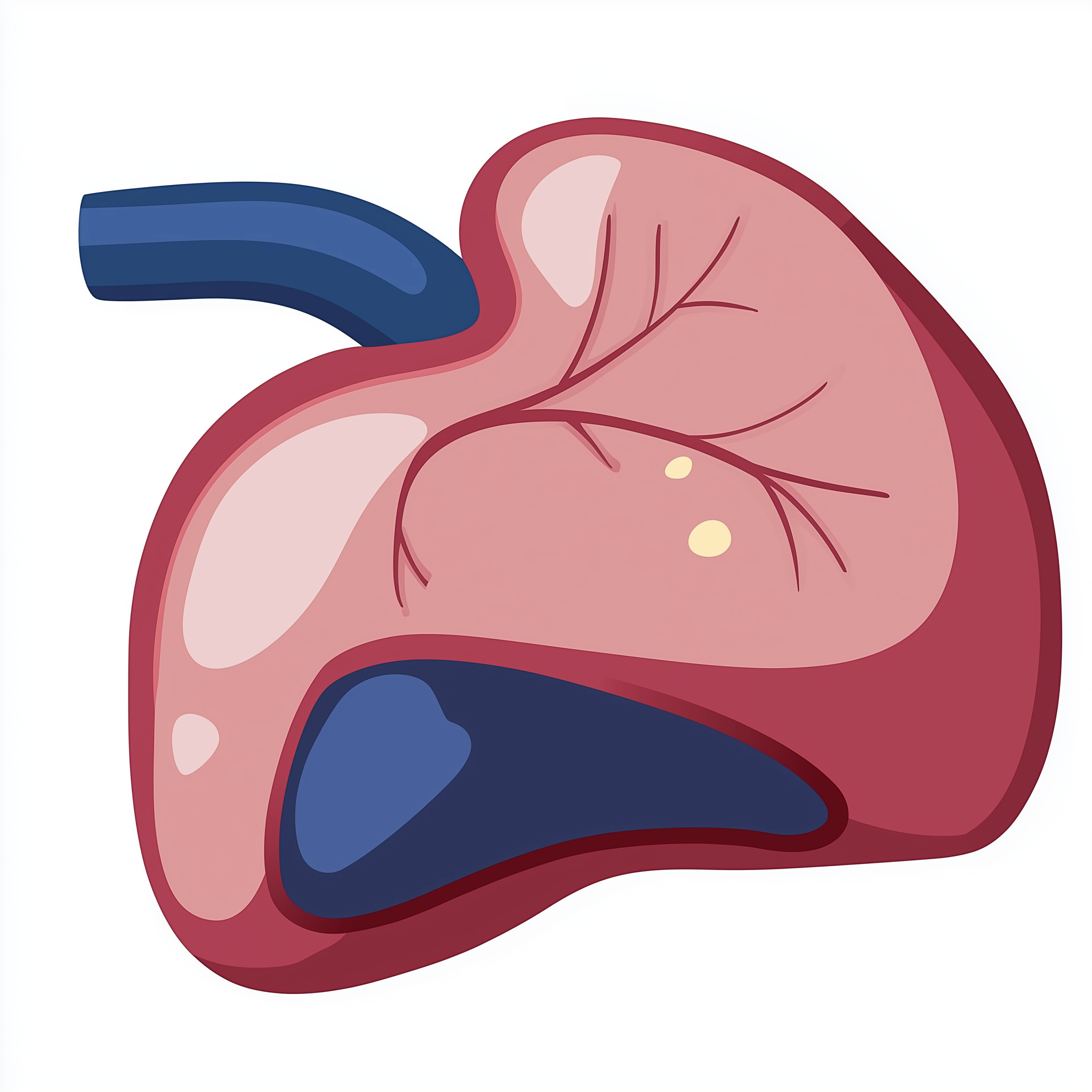
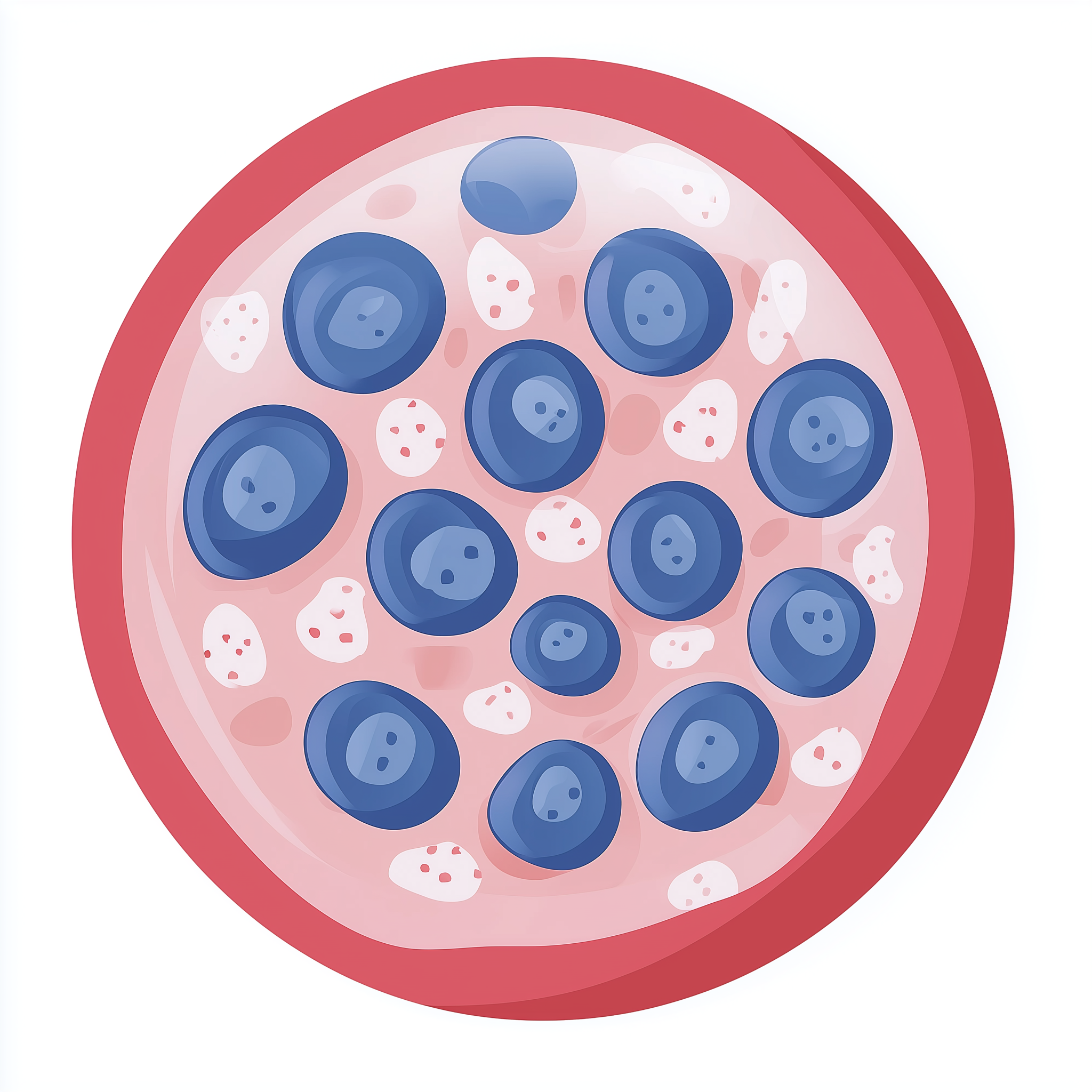
The primary organ affected by bile acid conjugation defect is the liver. The normal function of the liver is disrupted because it cannot properly conjugate bile acids. This leads to the accumulation of unconjugated bile acids, which can cause damage to liver cells (hepatocytes) and impair the liver's overall function.
While the liver is most directly impacted, the digestive system is also affected due to inefficient fat digestion. This can lead to nutritional deficiencies, particularly of fat-soluble vitamins (A, D, E, K), which are essential for various bodily functions.
Risks & severity
The severity of bile acid conjugation defect can vary. Without appropriate management, the accumulation of unconjugated bile acids can lead to progressive liver damage, potentially advancing to fibrosis or cirrhosis, which is severe scarring of the liver tissue. Long-term complications can include liver failure.
Early onset of symptoms, typically in infancy, is common, but the progression of the disease can differ between individuals. The long-term outlook is generally improved with early diagnosis and appropriate therapeutic interventions aimed at reducing the burden of unconjugated bile acids and supporting liver function.
Genetic causes
Bile acid conjugation defect is primarily caused by pathogenic variants in specific genes that play roles in bile acid metabolism. The two main genes implicated are BAAT and SLC27A5.
The BAAT gene provides instructions for making an enzyme called bile acid-CoA:amino acid N-acyltransferase. This enzyme is crucial for conjugating bile acids with amino acids like glycine or taurine [PMID:33671408]. These conjugated bile acids are less toxic and more soluble, allowing them to be efficiently excreted from the body and aid in fat digestion. When BAAT is faulty, this conjugation process is disrupted.
The SLC27A5 gene encodes a protein that acts as a fatty acid transport protein 5 (FATP5). This protein is involved in the uptake of long-chain fatty acids and bile acid precursors into liver cells, which is an important step in bile acid synthesis and metabolism [PMID:24838421]. Pathogenic variants in SLC27A5 can therefore also lead to impaired bile acid processing and accumulation of unconjugated bile acids.
- BAAT bile acid-CoA:amino acid N-acyltransferase
- SLC27A5 solute carrier family 27 member 5
Inheritance pattern
Bile acid conjugation defect follows an autosomal recessive inheritance pattern. This means that a person must inherit two altered copies of the causative gene (either BAAT or SLC27A5) - one from each parent - to develop the condition. Individuals who inherit only one altered copy are carriers; they typically do not show symptoms of the condition but can pass the altered gene to their children.
If both parents are carriers of an altered gene, there is a 25% chance with each pregnancy that their child will inherit two altered copies and be affected, a 50% chance the child will be a carrier, and a 25% chance the child will inherit two working copies of the gene and not be affected. This pattern is important for family planning and genetic counselling.
When both parents are carriers, each child has a 25% chance of being affected, 50% of being a carrier, and 25% of being unaffected.
Diagnosis & testing
Diagnosis of bile acid conjugation defect often begins with clinical suspicion based on symptoms of cholestasis and liver dysfunction. Biochemical tests may show elevated levels of liver enzymes and unconjugated bile acids in blood and urine samples.
Confirmation of the diagnosis typically involves genetic testing, which can identify pathogenic variants in the BAAT or SLC27A5 genes. In the UK, genetic testing for inherited liver conditions falls under the NHS Genomic Medicine Service (GMS) pathways. Referrals for testing are usually made by specialist paediatricians or hepatologists to regional clinical genetics services. Relevant R-codes for genetic testing would be assigned by the NHS Genomic Laboratory Networks, guiding the specific tests performed.
Management & lifestyle
Management of bile acid conjugation defect focuses on reducing the accumulation of harmful unconjugated bile acids and supporting nutritional status. While the condition is rare and specific treatment guidelines are still evolving, approaches may include oral bile acid therapy with conjugated bile acids, which can help replace the deficient conjugated bile acids and promote normal fat digestion.
Dietary interventions, such as supplementation with fat-soluble vitamins (A, D, E, K), are often necessary due to malabsorption. Regular monitoring of liver function and growth is crucial. Management pathways in the UK would involve specialist paediatric gastroenterologists or hepatologists, collaborating with dieticians and clinical genetics teams to provide comprehensive, individualised care.
UK care pathway
In the UK, individuals suspected of having genetic conditions like bile acid conjugation defect are typically referred through specialist clinicians, such as paediatricians or hepatologists, to their local Clinical Genetics service. Genetic counsellors play a key role within these services, providing information and support to families.
Genetic testing is performed by NHS Genomic Laboratory Networks, guided by the national Genomic Medicine Service. The specific tests are requested using R-codes (Record of Commissioned Test), ensuring standardisation across the NHS. This pathway aims to provide a clear route from clinical suspicion to confirmed genetic diagnosis and subsequent management planning.
Frequently asked questions
What happens if bile acids are not conjugated properly?
If bile acids are not conjugated correctly, they can become toxic to liver cells and accumulate in the body. This build-up can damage the liver and prevent proper digestion and absorption of fats and fat-soluble vitamins from food.
How common is bile acid conjugation defect?
Bile acid conjugation defect is considered a rare condition. The exact prevalence in the UK population is not well established due to its rarity and the complexity of diagnosis, but it is encountered infrequently in specialist paediatric liver clinics.
Can carriers of this condition develop symptoms?
Typically, individuals who are carriers of one altered copy of the BAAT or SLC27A5 gene do not develop symptoms of bile acid conjugation defect. They have one working copy of the gene, which is usually sufficient for normal bile acid processing.
What is the long-term outlook for someone with this condition?
The long-term outlook can vary, but with early diagnosis and consistent management, including appropriate medication and nutritional support, individuals can often have an improved quality of life and better liver outcomes. Regular monitoring by specialists is important.
How is genetic testing arranged in the UK?
In the UK, genetic testing is usually arranged by a specialist clinician, such as a paediatrician or hepatologist, who refers the patient to a clinical genetics service. This service organises the appropriate genetic tests through the NHS Genomic Medicine Service.