

On this page
Alport syndrome (X-linked)
Also known as Alport syndrome with hearing loss
This condition occurs due to changes in a gene responsible for a vital protein in certain body tissues. It primarily affects males more severely, leading to kidney failure, hearing loss, and sometimes eye problems over time.
Available at Jeen Health
Clinical tests that include this
Overview
Alport syndrome (X-linked) is a genetic condition that primarily impacts the kidneys, inner ear, and eyes. It is caused by alterations in a specific gene responsible for producing a type of collagen, a protein crucial for the structure and function of basement membranes [PMID:33671217]. Basement membranes are thin, specialised layers that support cells in various tissues throughout the body, including the filtering units of the kidneys, the delicate structures of the inner ear, and parts of the eye.
While both males and females can inherit the condition, males typically experience more severe symptoms and a faster progression of kidney disease. Females, as carriers, may have milder or no symptoms, but some can still develop significant kidney problems over time. This form of Alport syndrome is the most common type.
Symptoms & clinical features
The symptoms of Alport syndrome (X-linked) can vary significantly between individuals and often progress with age. The most common initial symptom is microscopic haematuria, meaning blood in the urine that is only detectable with laboratory tests. This often begins in childhood [PMID:33671217]. As the condition progresses, proteinuria (protein in the urine) may develop, which can be a sign of worsening kidney function.
Over time, many affected individuals, particularly males, develop chronic kidney disease, which can lead to end-stage kidney failure, requiring dialysis or a kidney transplant. Sensorineural hearing loss, affecting both ears, is another frequent symptom, typically emerging in late childhood or adolescence and often worsening over time. Eye abnormalities, such as lenticonus (a cone-shaped deformity of the lens of the eye) or changes in the retina, can also occur and may affect vision, although severe vision impairment is less common [PMID:33671217].
Video: Genetics 101
Affected organs
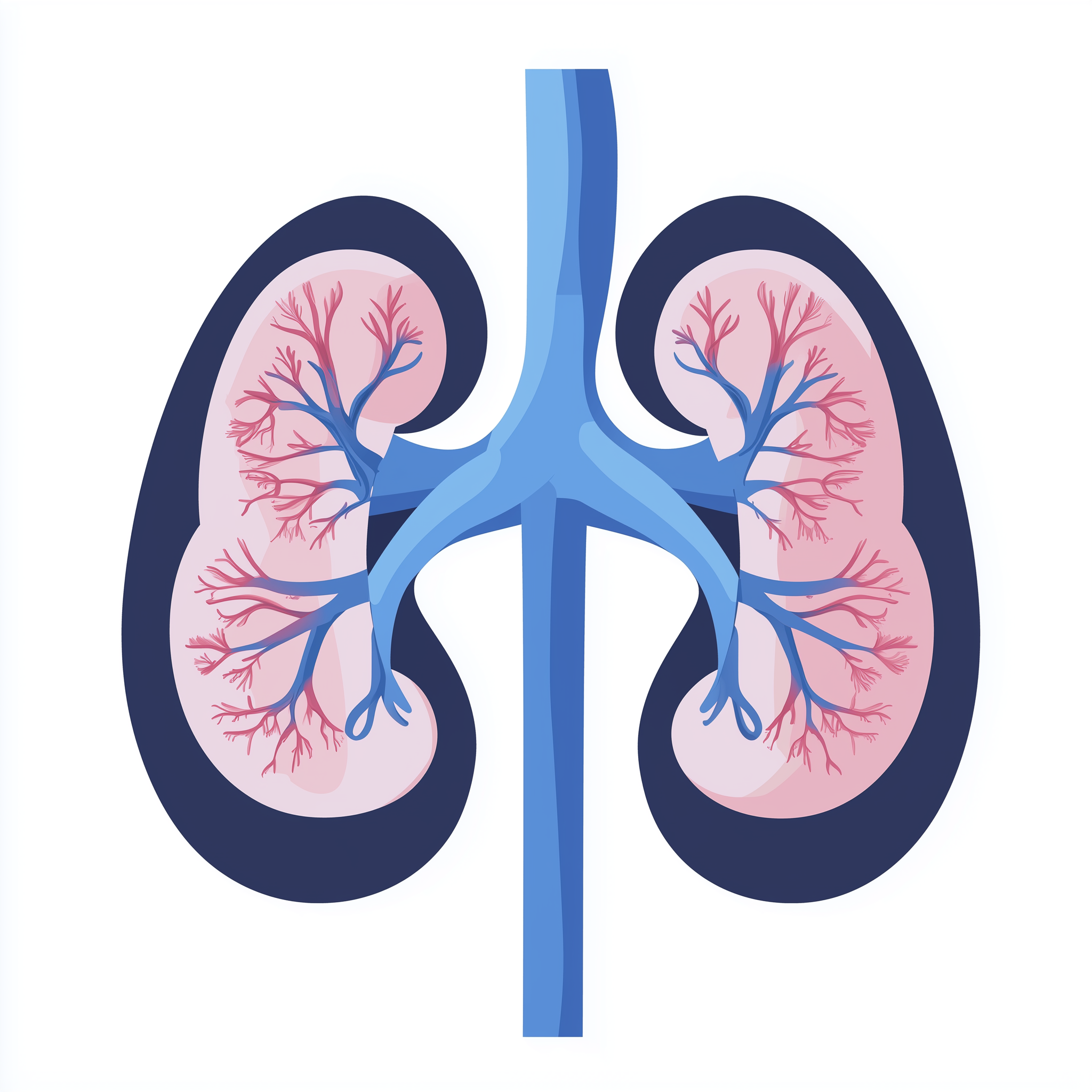
The primary organs affected by Alport syndrome (X-linked) are the kidneys, inner ears, and eyes. Within the kidneys, the small filtering units called glomeruli are particularly vulnerable. The basement membranes within these glomeruli become abnormally structured and eventually cease to function effectively, leading to impaired kidney filtration. This damage is what causes blood and protein to appear in the urine and ultimately results in kidney failure.
In the inner ear, the cochlea, which is vital for hearing, relies on healthy basement membranes. Damage to these structures can disrupt the normal transmission of sound signals, leading to hearing loss. The eyes can be affected in several ways, including changes to the lens (lenticonus) or to the retina, the light-sensitive tissue at the back of the eye. These changes are due to the disruption of collagen in the basement membranes of these ocular structures.

Risks & severity
The severity of Alport syndrome (X-linked) can vary widely, even within the same family. Males typically experience a more severe disease course, often progressing to end-stage kidney disease (ESKD) by early adulthood, though the age of onset for ESKD can range from childhood to middle age. Females, who are often carriers, usually have milder symptoms or may not experience significant health problems. However, a proportion of females may still develop kidney disease, including ESKD, usually later in life [PMID:33671217].
Sensorineural hearing loss typically begins in late childhood or adolescence in affected males and can worsen over time. Eye abnormalities, such as lenticonus, usually do not lead to severe vision loss but require monitoring. The lifetime risk of developing end-stage kidney disease for affected males is very high, often exceeding 50% by age 30 and increasing with age.
Genetic causes
Alport syndrome (X-linked) is caused by pathogenic variants in the COL4A5 gene. The COL4A5 gene provides instructions for making the alpha-5 chain of type IV collagen. Type IV collagen is a crucial component of basement membranes, which are thin, specialised sheets of protein that provide structural support in various tissues, acting like scaffolding [PMID:30133967].
These basement membranes are particularly important in the kidneys, inner ear, and eyes. Pathogenic changes in COL4A5 disrupt the normal production or structure of type IV collagen. This leads to weakened and improperly formed basement membranes, especially in the kidney's filtering units, the structures of the inner ear, and certain parts of the eye. This structural impairment underlies the progressive damage seen in these organs.
- COL4A3 collagen type IV alpha 3 chainThe COL4A3 gene provides instructions for making a crucial component of type IV collagen, essential for the structural integrity of basement membranes in various tissues.
- COL4A5 collagen type IV alpha 5 chain
Inheritance pattern
Alport syndrome (X-linked) follows an X-linked recessive inheritance pattern. This means the gene responsible, COL4A5, is located on the X chromosome. Males have one X chromosome and one Y chromosome, so if their single X chromosome carries a pathogenic variant in COL4A5, they will typically develop the condition more severely. Females have two X chromosomes; if one X chromosome carries a pathogenic variant, the other healthy X chromosome can often compensate, leading to milder symptoms or no symptoms at all. These females are considered carriers.
For a female carrier, there is a 50% chance in each pregnancy that she will pass the altered X chromosome to her child. If a son inherits the altered X chromosome, he will typically be affected. If a daughter inherits the altered X chromosome, she will be a carrier, and may experience some symptoms, or she may be unaffected. Males with Alport syndrome will pass the altered X chromosome to all of their daughters, making them carriers, but will not pass it to their sons.
X-linked recessive: sons of a carrier mother have a 50% chance of being affected. Daughters have a 50% chance of being carriers.
Subtypes & variants
This page covers Alport syndrome (X-linked) as a single condition. Several distinct variants and clinical subtypes are recognised in the literature - they share the underlying biology and broad management approach, but differ in severity, age of onset, or causative gene:
- With hearing loss OMIM 301050
Sensorineural hearing loss is present in roughly 80 per cent of male X-linked Alport patients by adolescence and is one of the diagnostic clinical features alongside renal disease and ocular findings.
Diagnosis & testing
Diagnosis of Alport syndrome (X-linked) typically begins with clinical signs such as persistent microscopic haematuria, often identified during routine urine tests, especially in children or young adults. Further investigation may include assessing proteinuria, kidney function tests, and an evaluation for hearing loss and eye abnormalities. A kidney biopsy, which involves taking a small tissue sample from the kidney, can show characteristic changes in the basement membranes under a microscope, providing strong evidence for diagnosis.
Genetic testing is the definitive method to confirm Alport syndrome (X-linked) by identifying pathogenic variants in the COL4A5 gene. This is often offered through the NHS Genomic Medicine Service (GMS) pathways, following referral from a specialist such as a nephrologist (kidney doctor) or a clinical geneticist. Genetic testing for Alport syndrome is covered by relevant NHS R-codes, ensuring a standardised diagnostic approach across the UK. Genetic counsellors play a crucial role in explaining the implications of testing and inheritance patterns to families.
Management & lifestyle
The management of Alport syndrome (X-linked) is primarily supportive and aims to slow the progression of kidney disease, manage symptoms, and prevent complications. Regular monitoring of kidney function, blood pressure, and urine protein levels is essential. Medications such as ACE inhibitors or ARBs (angiotensin receptor blockers) are often prescribed to reduce protein in the urine and help protect kidney function, even before significant kidney impairment is evident [PMID:30133967].
Management also includes monitoring for hearing loss and eye changes. Audiology assessments are important to detect hearing loss early, and hearing aids may be recommended. Regular ophthalmological examinations are advised to monitor for eye abnormalities. When kidney failure occurs, treatment options include dialysis or kidney transplantation. Genetic counsellors provide ongoing support, helping families understand the condition and its implications for other family members.
UK care pathway
In the UK, individuals suspected of having Alport syndrome typically enter the NHS Genomic Medicine Service (GMS) pathway. This usually starts with a referral from a general practitioner or specialist (like a paediatrician or nephrologist) to a clinical genetics service. Clinical geneticists and genetic counsellors work together to assess the family history, discuss the likelihood of a genetic condition, and arrange appropriate genetic testing.
Genetic testing for Alport syndrome is carried out under specific NHS R-codes, which are part of the National Genomic Test Directory. This ensures that testing is performed consistently and to high standards across the country. Following a diagnosis, individuals and families receive counselling to understand the inheritance pattern, implications for family planning, and guidance on how to access specialist care and surveillance within the NHS.
Frequently asked questions
What is the likelihood of kidney failure with X-linked Alport syndrome?
For males with X-linked Alport syndrome, there is a high likelihood of developing end-stage kidney disease, often by early adulthood. Females who are carriers can also develop kidney problems, though typically later in life and often with less severity.
Can women develop symptoms of X-linked Alport syndrome?
Yes, women who are carriers for X-linked Alport syndrome can develop symptoms. While they generally experience milder forms, some may still develop significant kidney disease, including end-stage kidney failure, hearing loss, and eye abnormalities, although this is less common than in males.
How is the hearing loss in Alport syndrome treated?
The hearing loss associated with Alport syndrome is sensorineural, meaning it affects the inner ear and cannot be medically or surgically corrected. However, it can be managed with hearing aids, which help to amplify sounds, improving communication and quality of life. Regular audiology assessments are important to monitor changes.
Is Alport syndrome curable?
Currently, there is no cure for Alport syndrome. However, management strategies focus on slowing the progression of kidney disease and treating symptoms to improve quality of life. Treatments like ACE inhibitors can help protect kidney function, and kidney transplantation is an option for end-stage kidney failure.
What should I do if I think my child might have Alport syndrome?
If you are concerned your child might have Alport syndrome, you should speak to your GP. They can refer you to a paediatrician, nephrologist, or clinical genetics service for further evaluation, including urine tests, kidney function assessments, and potentially genetic testing.
References
- Deltas C, Pierides A, Voskarides K. Molecular genetics of familial hematuric diseases. Nephrology, dialysis, transplantation : official publication of the European Dialysis and Transplant Association - European Renal Association. 2013. PMID: 24046192
- Kornreich R, Astrin KH, Desnick RJ. Amplification of human polymorphic sites in the X-chromosomal region q21.33 to q24: DXS17, DXS87, DXS287, and alpha-galactosidase A. Genomics. 1992. PMID: 1349583
- Chen D, Jefferson B, Harvey SJ. Cyclosporine a slows the progressive renal disease of alport syndrome (X-linked hereditary nephritis): results from a canine model. Journal of the American Society of Nephrology : JASN. 2003. PMID: 12595505