

On this page
Alpha-thalassaemia (Hb Bart's hydrops)
This condition results in a profound lack of functional haemoglobin, which is vital for carrying oxygen in the blood. It typically causes severe complications during pregnancy or shortly after birth, making it a life-threatening disorder.
Available at Jeen Health
Clinical tests that include this
Overview
Alpha-thalassaemia with Hb Bart's hydrops is the most severe form of alpha-thalassaemia, a group of inherited blood disorders affecting haemoglobin production. Haemoglobin, found in red blood cells, is responsible for transporting oxygen throughout the body. In this specific and very serious type of alpha-thalassaemia, there is a complete inability to produce alpha-globin protein, a key component of normal adult haemoglobin [PMID:18462002].
Without alpha-globin, a highly unstable form of haemoglobin called Hb Bart's is produced. Hb Bart's cannot effectively deliver oxygen to the body's tissues, leading to severe anaemia and a range of life-threatening complications. The condition often results in a build-up of fluid in multiple body compartments, known as hydrops fetalis, which is why it is called Hb Bart's hydrops. This condition is usually diagnosed during pregnancy or shortly after birth and is typically fatal.
Symptoms & clinical features
For foetuses affected by Hb Bart's hydrops, symptoms generally develop during the second to third trimester of pregnancy. These can include severe anaemia, leading to extreme pallor and a lack of energy, and hepatosplenomegaly, where the liver and spleen become enlarged as they attempt to compensate for the lack of healthy red blood cells [PMID:18462002].
A hallmark symptom is hydrops fetalis, which involves significant fluid accumulation and swelling in various parts of the baby's body, including the abdomen (ascites), chest (pleural effusions), and skin. This fluid build-up can severely impair organ function, particularly affecting the heart and lungs. Babies born with Hb Bart's hydrops often experience severe breathing difficulties due to fluid in the lungs and heart failure, and typically do not survive long after birth without extensive medical intervention.
Video: Genetics 101
Affected organs
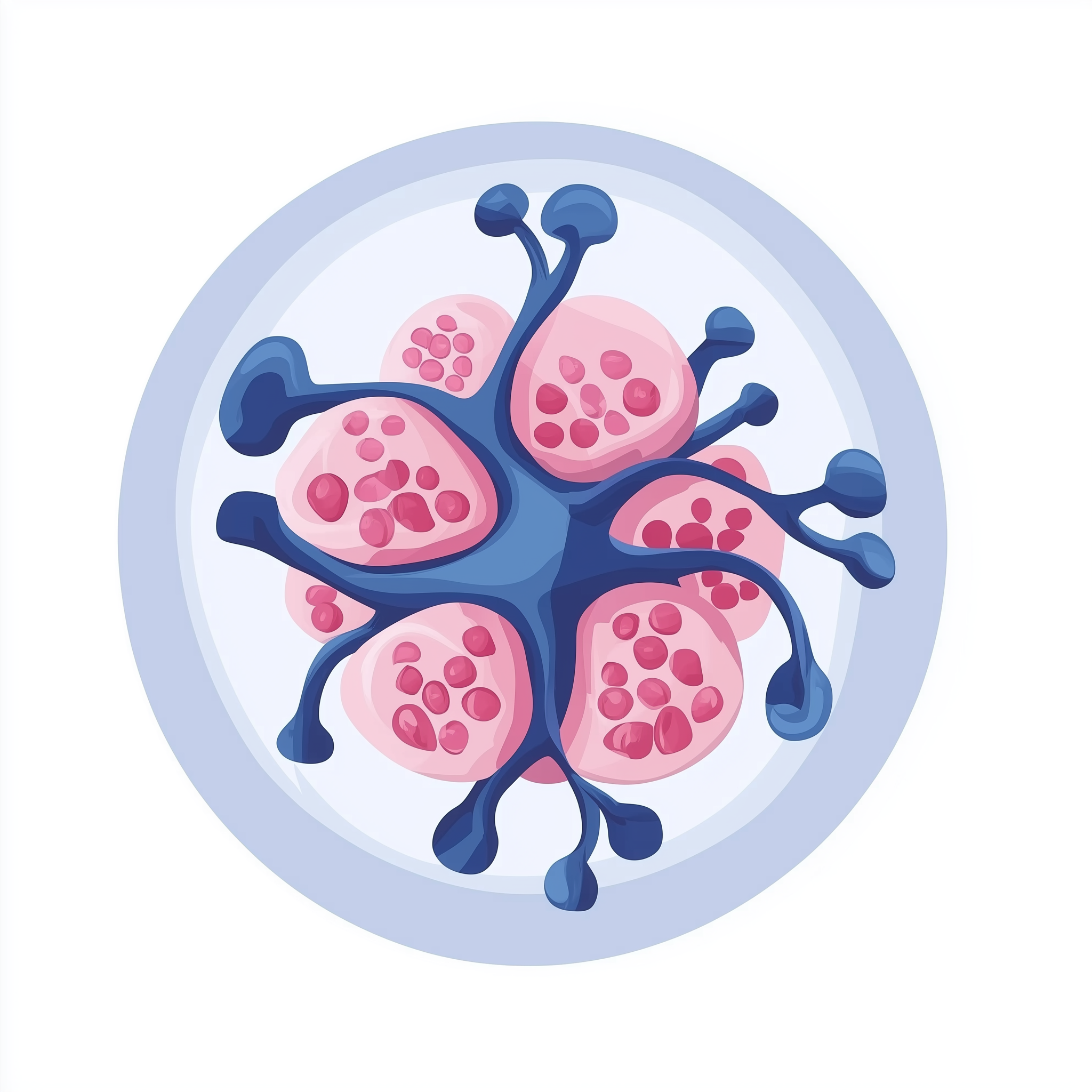
The primary organ system affected in alpha-thalassaemia (Hb Bart's hydrops) is the haematopoietic system, which includes the bone marrow responsible for producing blood cells. The lack of alpha-globin production leads to dangerously low levels of functional red blood cells, severely impeding the body's ability to transport oxygen.
Due to the widespread oxygen deprivation and fluid accumulation (hydrops fetalis), virtually all major organ systems are severely compromised. The heart is significantly affected, often leading to heart failure. The lungs can accumulate fluid, causing severe respiratory distress. The liver and spleen enlarge as they attempt to produce red blood cells, a process called extramedullary haematopoiesis, though this is insufficient to overcome the severe anaemia. The brain and other vital organs also suffer from insufficient oxygen supply, contributing to the severe prognosis.

Risks & severity
Alpha-thalassaemia (Hb Bart's hydrops) is considered the most severe manifestation of alpha-thalassaemia, representing a uniformly fatal condition, often resulting in stillbirth or death shortly after birth. The lifetime risk for affected individuals is extremely high, with survival beyond the neonatal period being very rare without advanced medical procedures such as in-utero transfusions and ultimately, stem cell transplantation [PMID:24729124].
Clinical onset occurs during foetal development, with severe complications typically becoming evident by the second or third trimester. Parents who are carriers of alpha-thalassaemia traits, particularly those of Southeast Asian descent, have an increased risk of having a child with this condition. While specific overall prevalence for the UK population is not readily available, it is more commonly observed in populations where alpha-thalassaemia traits are prevalent, such as Southeast Asia.
Genetic causes
Alpha-thalassaemia (Hb Bart's hydrops) is caused by pathogenic variants in the HBA1 and HBA2 genes. These two genes, located on chromosome 16, typically work together to produce alpha-globin protein. Humans normally have four copies of alpha-globin genes (two HBA1 and two HBA2 genes on each chromosome 16, one inherited from each parent).
In alpha-thalassaemia (Hb Bart's hydrops), all four copies of the HBA1 and HBA2 genes are either missing or have pathogenic variants, leading to a complete absence of alpha-globin production [PMID:24729124]. The alpha-globin protein is a crucial component of haemoglobin. Without it, the body cannot form normal adult haemoglobin, and instead produces an abnormal haemoglobin called Hb Bart's, which is unable to transport oxygen effectively. This fundamental genetic defect underpins the severe clinical features of the condition.
- HBA1 hemoglobin subunit alpha 1
- HBA2 hemoglobin subunit alpha 2The HBA2 gene provides instructions for synthesising alpha-globin, a crucial protein subunit of haemoglobin, which is responsible for oxygen transport in the blood.
Inheritance pattern
Alpha-thalassaemia (Hb Bart's hydrops) follows an autosomal recessive inheritance pattern. This means that an individual must inherit two copies of a pathogenic gene variant - one from each parent - to develop the condition. Parents of an affected child are typically carriers, meaning they each have one functional copy and one non-functional copy of the HBA1 or HBA2 genes, but do not themselves show symptoms of severe alpha-thalassaemia [PMID:18462002].
When both parents are carriers of alpha-thalassaemia traits (meaning they each have two affected alpha-globin genes, but still produce enough alpha-globin to be healthy carriers), there is a 25% chance with each pregnancy that their child will inherit two non-functional copies of the genes from each parent and develop Hb Bart's hydrops. There is a 50% chance the child will also be a carrier, and a 25% chance the child will inherit two functional copies and be unaffected and not a carrier.
When both parents are carriers, each child has a 25% chance of being affected, 50% of being a carrier, and 25% of being unaffected.
Diagnosis & testing
Diagnosis of alpha-thalassaemia (Hb Bart's hydrops) can often be suspected during pregnancy through routine antenatal screening, particularly in populations with a higher prevalence of alpha-thalassaemia traits. Ultrasound scans may reveal signs of hydrops fetalis, such as increased nuchal translucency or fluid accumulation. If suspected, further investigations may involve foetal blood sampling or amniocentesis for genetic testing.
Confirmation of diagnosis typically relies on genetic testing that identifies the specific pathogenic variants or deletions in the HBA1 and HBA2 genes. In the UK, such testing would fall under the NHS Genomic Medicine Service (GMS) pathways. Relevant R-codes for genetic testing for thalassaemia include R130, R131, R132, R133, and R134 for various forms of thalassaemia diagnostics. Referrals for foetal genetic testing or for carrier screening for couples at risk are typically made by obstetricians or clinical geneticists.
Management & lifestyle
Due to its severe nature, the management of alpha-thalassaemia (Hb Bart's hydrops) primarily focuses on early diagnosis and counselling for at-risk families. For an affected foetus, the prognosis is very poor, and options are generally limited to supportive care. Interventional management during pregnancy, such as intrauterine blood transfusions, has been attempted in some cases, but often only postpones rather than cures the condition, and still carries significant risks [PMID:24729124].
In some rare instances, with aggressive in-utero transfusions and subsequent stem cell transplantation after birth, survival may be achieved, but this is a complex and high-risk pathway with significant long-term health challenges. Genetic counselling is a critical part of the care pathway for carrier parents to understand the inheritance pattern and reproductive options. The NHS GMS provides pathways for genetic counselling and testing to inform families and allow them to make informed personal choices.
Frequently asked questions
No FAQs generated.