

On this page
Alpha-1 antitrypsin deficiency (liver)
This condition primarily affects the liver, but can also impact the lungs. It is caused by inherited changes in the *SERPINA1* gene, leading to the liver producing abnormal alpha-1 antitrypsin protein, which can build up and cause damage.
Available at Jeen Health
Clinical tests that include this
Overview
Alpha-1 antitrypsin deficiency is an inherited condition that can affect various organs, most notably the liver and lungs. It occurs when the body does not produce enough of a protective protein called alpha-1 antitrypsin (A1AT), or when the protein produced is abnormal [PMID:33671239]. The liver is the main site where A1AT is made. In some forms of the condition, the faulty A1AT protein gets trapped inside liver cells, accumulating and leading to cellular damage.
While the condition is often associated with lung problems like emphysema, this specific page focuses on the hepatic (liver) manifestations. The severity of liver involvement can vary greatly among individuals with alpha-1 antitrypsin deficiency, even within the same family.
Symptoms & clinical features
Liver symptoms of alpha-1 antitrypsin deficiency can range from mild or asymptomatic to severe, life-threatening complications. In infants, symptoms may include prolonged jaundice (yellowing of the skin and eyes), an enlarged liver and spleen, poor feeding, and slow weight gain. Older children and adults might experience fatigue, abdominal swelling due to fluid build-up (ascites), swelling in the legs, and easy bruising.
Some individuals may have no noticeable liver symptoms for many years, only to develop problems later in life. In others, liver damage can progress to cirrhosis, which is severe scarring of the liver, and may eventually lead to liver failure or an increased risk of liver cancer.
Video: Genetics 101
Affected organs
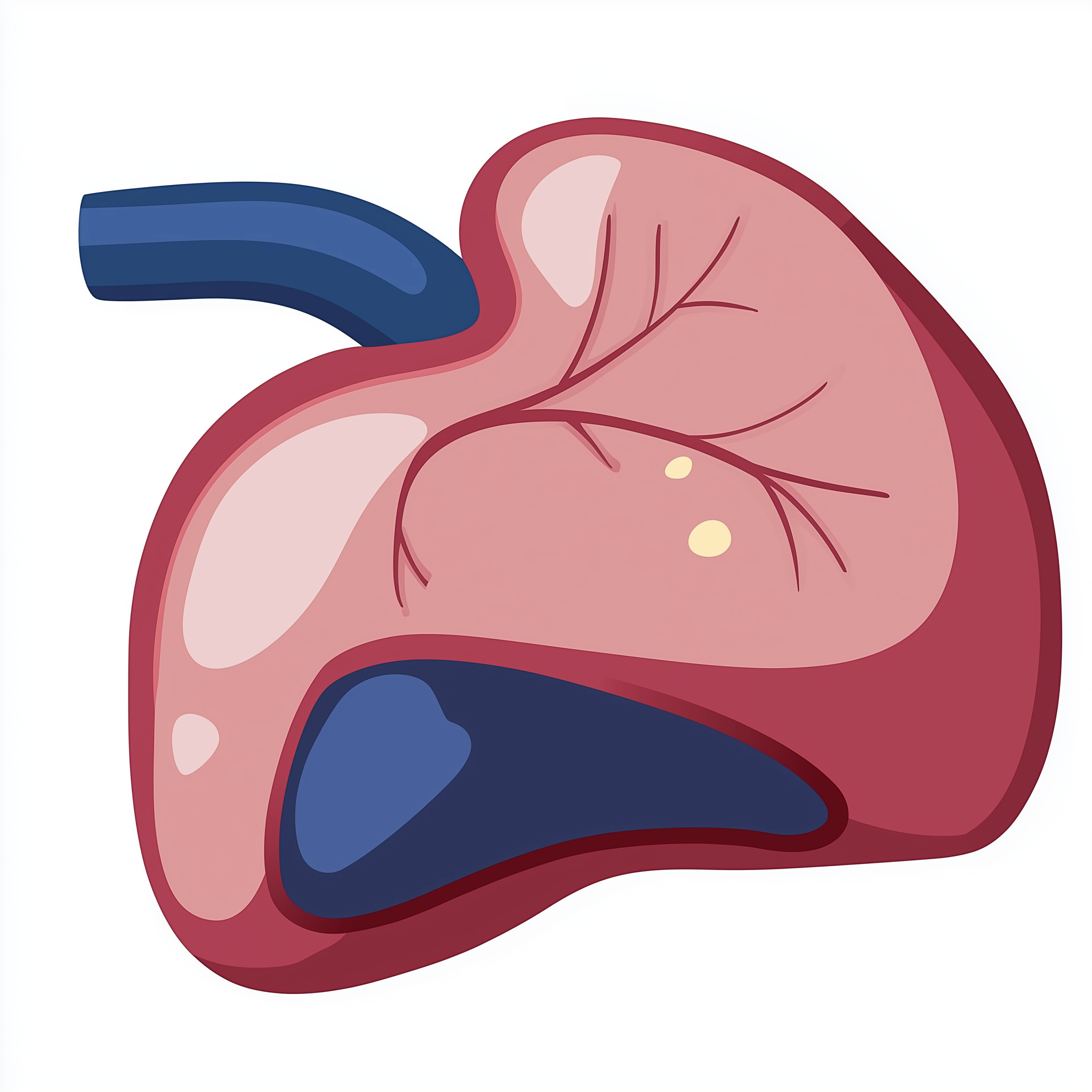
The primary organ affected by this specific presentation of alpha-1 antitrypsin deficiency is the liver. The abnormal alpha-1 antitrypsin protein, produced in the liver, can build up within liver cells, leading to inflammation and damage. This can impair the liver's ability to perform its many vital functions, such as filtering toxins, producing essential proteins, and aiding digestion.
While the focus here is on the liver, alpha-1 antitrypsin deficiency can also significantly impact the lungs, leading to conditions like emphysema. Other organs, though less commonly, may also be affected.

Risks & severity
The severity of liver disease in alpha-1 antitrypsin deficiency varies considerably. Around 10-15% of individuals with the most common severe form (ZZ genotype) develop liver cirrhosis in childhood, while a larger proportion (around 30-40%) may develop cirrhosis in adulthood [PMID:28795551]. The risk of developing hepatocellular carcinoma (a type of liver cancer) is also increased, particularly in those who have developed cirrhosis.
Not everyone with an alpha-1 antitrypsin deficiency will develop severe liver disease. Some individuals may have mild or no liver symptoms throughout their lives, while others may experience a progressive decline in liver function. Environmental factors, such as alcohol consumption and exposure to certain medications, may influence the progression of liver disease.
Genetic causes
Alpha-1 antitrypsin deficiency is caused by pathogenic variants in the *SERPINA1* gene. This gene provides instructions for making the alpha-1 antitrypsin protein, which is primarily produced in the liver. The normal function of A1AT is to protect the body's tissues, particularly the lungs, from being damaged by enzymes released during inflammation [PMID:33671239].
When there are variants in *SERPINA1*, the gene may produce an abnormal A1AT protein that cannot be released from the liver cells efficiently. This leads to a build-up of the abnormal protein within the liver, causing stress and damage to these cells. The reduced amount of functional A1AT in the bloodstream also leaves other organs, like the lungs, vulnerable to damage.
- SERPINA1 serpin family A member 1The SERPINA1 gene encodes alpha-1 antitrypsin, a protein crucial for protecting tissues, particularly the lungs, from damage caused by certain enzymes.
Inheritance pattern
This condition is inherited in an autosomal recessive pattern. This means that a person must inherit two altered copies of the *SERPINA1* gene - one from each parent - to develop the condition. Individuals who inherit only one altered copy are called carriers. Carriers typically do not develop the severe liver or lung problems associated with alpha-1 antitrypsin deficiency, but they can pass the altered gene copy on to their children.
If both parents are carriers, there is a 25% chance with each pregnancy that their child will inherit two altered gene copies and develop the condition, a 50% chance that the child will be a carrier, and a 25% chance that the child will inherit two normal gene copies.
When both parents are carriers, each child has a 25% chance of being affected, 50% of being a carrier, and 25% of being unaffected.
Diagnosis & testing
Diagnosis of alpha-1 antitrypsin deficiency often begins with a blood test to measure the level of alpha-1 antitrypsin protein in the blood. If levels are low, genetic testing for variants in the *SERPINA1* gene can confirm the diagnosis and identify the specific genetic changes present [PMID:28795551]. This genetic testing is crucial for determining the specific type of deficiency and can help predict the likelihood of developing certain complications.
In the UK, suspected cases may be referred to a clinical genetics service, which can arrange appropriate genetic testing. Genetic testing for alpha-1 antitrypsin deficiency falls under the NHS Genomic Medicine Service testing directory and may be accessible via specific R-codes, such as R241 Alpha-1 antitrypsin deficiency. Liver biopsies may also be performed to assess the extent of liver damage.
Management & lifestyle
Management of alpha-1 antitrypsin deficiency with liver involvement focuses on monitoring liver health, preventing further damage, and treating complications. Regular check-ups with a hepatologist (liver specialist) are important, including blood tests to assess liver function and imaging studies (such as ultrasound) to check for liver scarring or tumours. Individuals should also avoid factors known to worsen liver disease, such as alcohol consumption and certain medications.
There is currently no specific treatment to prevent the abnormal A1AT protein from building up in the liver cells. However, for those with severe liver damage or liver failure, a liver transplant may be considered. Genetic counsellors can provide valuable information about the condition, inheritance patterns, and support resources, helping families navigate the complexities of this diagnosis.
UK care pathway
In the UK, individuals suspected of having alpha-1 antitrypsin deficiency are typically referred to a specialist, such as a respiratory physician or hepatologist, depending on their primary symptoms. If a genetic cause is suspected, referral to a clinical genetics service is the next step. Genetic counsellors play a key role in explaining the genetic basis of the condition, inheritance patterns, and the implications for family members. The NHS Genomic Medicine Service provides genetic testing for conditions like alpha-1 antitrypsin deficiency, often initiated via an R-code, facilitating a precise diagnosis and informing management strategies.
Frequently asked questions
Can alpha-1 antitrypsin deficiency only affect the liver?
While this page focuses on liver involvement, alpha-1 antitrypsin deficiency can also affect the lungs, leading to conditions like emphysema. Some individuals may primarily have liver problems, others lung problems, and some may experience both.
If I am a carrier, will my children get the condition?
If you are a carrier for alpha-1 antitrypsin deficiency, you have one altered copy of the *SERPINA1* gene. Your children would only be at risk of developing the condition if your partner is also a carrier or has the condition themselves.
Is there a cure for alpha-1 antitrypsin deficiency with liver involvement?
There is currently no specific cure that prevents the abnormal protein build-up in the liver. Management focuses on monitoring liver health, managing symptoms, and preventing complications. In severe cases, a liver transplant may be considered.
What lifestyle changes are recommended for liver involvement?
Individuals with liver involvement should generally avoid alcohol and discuss all medications and supplements with their doctor, as some can place extra strain on the liver. Maintaining a healthy weight and diet is also generally advised for liver health.
How common is alpha-1 antitrypsin deficiency?
Alpha-1 antitrypsin deficiency is relatively rare, affecting approximately 1 in 2,000 to 5,000 live births in populations of European descent. The exact prevalence can vary in different ethnic groups.
References
- Patel D, Teckman JH. Alpha-1-Antitrypsin Deficiency Liver Disease. Clinics in liver disease. 2018. PMID: 30266154
- Suri A, Patel D, Teckman JH. Alpha-1 Antitrypsin Deficiency Liver Disease. Clinics in liver disease. 2022. PMID: 35868681
- Patel D, McAllister SL, Teckman JH. Alpha-1 antitrypsin deficiency liver disease. Translational gastroenterology and hepatology. 2021. PMID: 33824927
- Clark VC, Strange C, Strnad P. Fazirsiran for Adults With Alpha-1 Antitrypsin Deficiency Liver Disease: A Phase 2 Placebo Controlled Trial (SEQUOIA). Gastroenterology. 2024. PMID: 38964420
- Alpha-1-antitrypsin deficiency--liver disease. Nutrition reviews. 1975. PMID: 167327
- Parfrey H, Mahadeva R, Lomas DA. Alpha(1)-antitrypsin deficiency, liver disease and emphysema. The international journal of biochemistry & cell biology. 2003. PMID: 12672469
- Teckman JH, Jain A. Advances in alpha-1-antitrypsin deficiency liver disease. Current gastroenterology reports. 2014. PMID: 24338605
- Teckman JH, Blomenkamp KS. Pathophysiology of Alpha-1 Antitrypsin Deficiency Liver Disease. Methods in molecular biology (Clifton, N.J.). 2017. PMID: 28752441