On this page
Aicardi-Goutières syndrome type 7 (IFIH1)
AGS7 is a genetic condition typically presenting in infancy or early childhood, causing significant neurological challenges and systemic issues. It is part of a group of disorders that mimic congenital viral infections.
Overview
Aicardi-Goutières syndrome type 7 (AGS7) is a rare genetic condition that primarily affects neurological development and immune system regulation. It is one of several types of Aicardi-Goutières syndrome, a group of disorders that share similar clinical features. AGS7 is often characterised by severe developmental delay and specific findings on brain imaging, such as calcifications and white matter abnormalities [PMID:24727570]. The condition can sometimes be mistaken for a congenital infection due to its inflammatory nature within the central nervous system.
Symptoms & clinical features
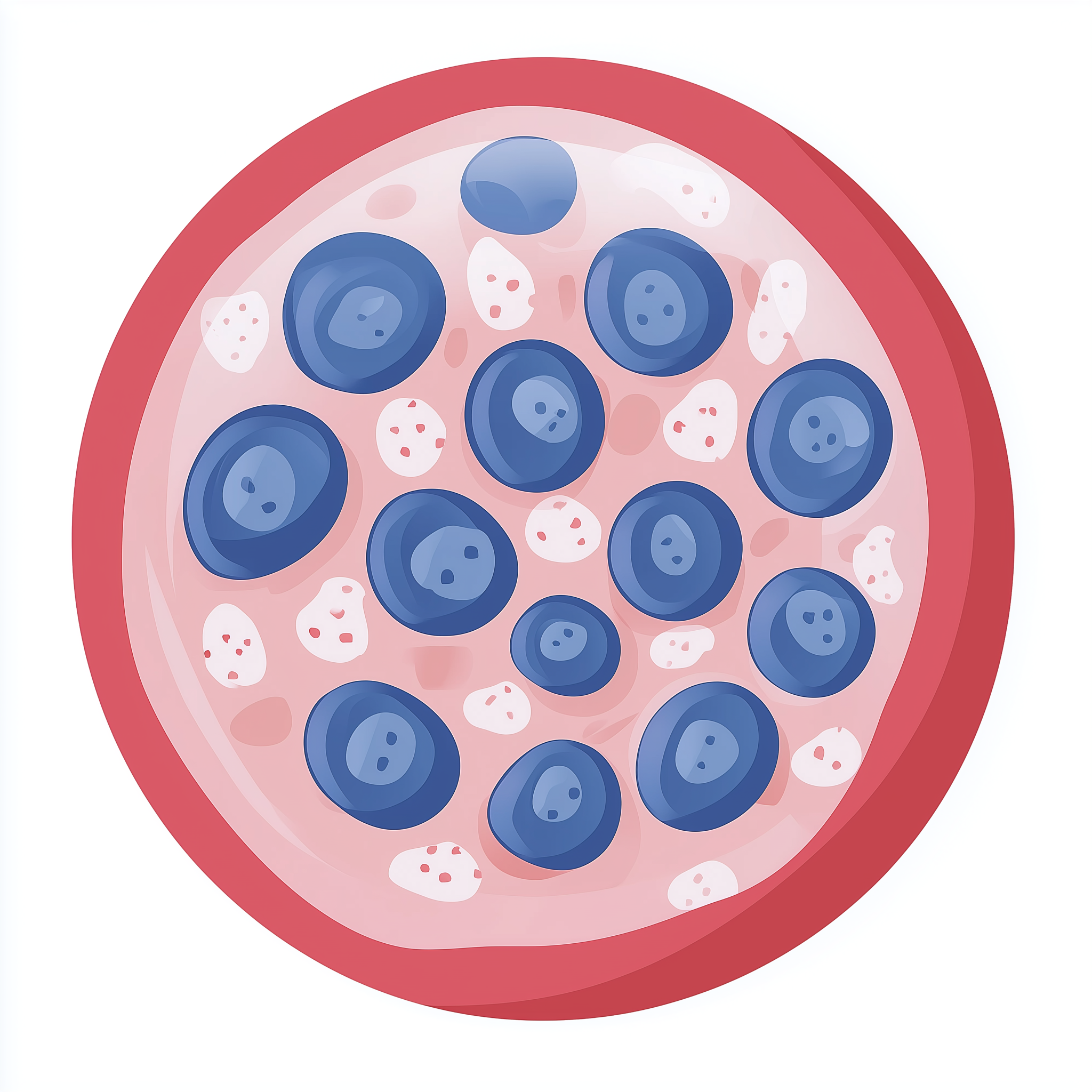
Individuals with AGS7 typically present with a range of neurological symptoms, often becoming apparent in the first year of life. Common features include severe developmental delay, problems with muscle tone (either increased or decreased), and involuntary movements. Many affected children experience microcephaly, where the head size is smaller than expected for their age [PMID:27806132]. Seizures can also occur, and individuals may have difficulties with feeding. Beyond neurological symptoms, some individuals may develop skin lesions (chilblains) on their fingers, toes, and ears, particularly in response to cold. There can also be blood abnormalities, such as reduced platelet counts or anaemia.
Video: Genetics 101
Affected organs
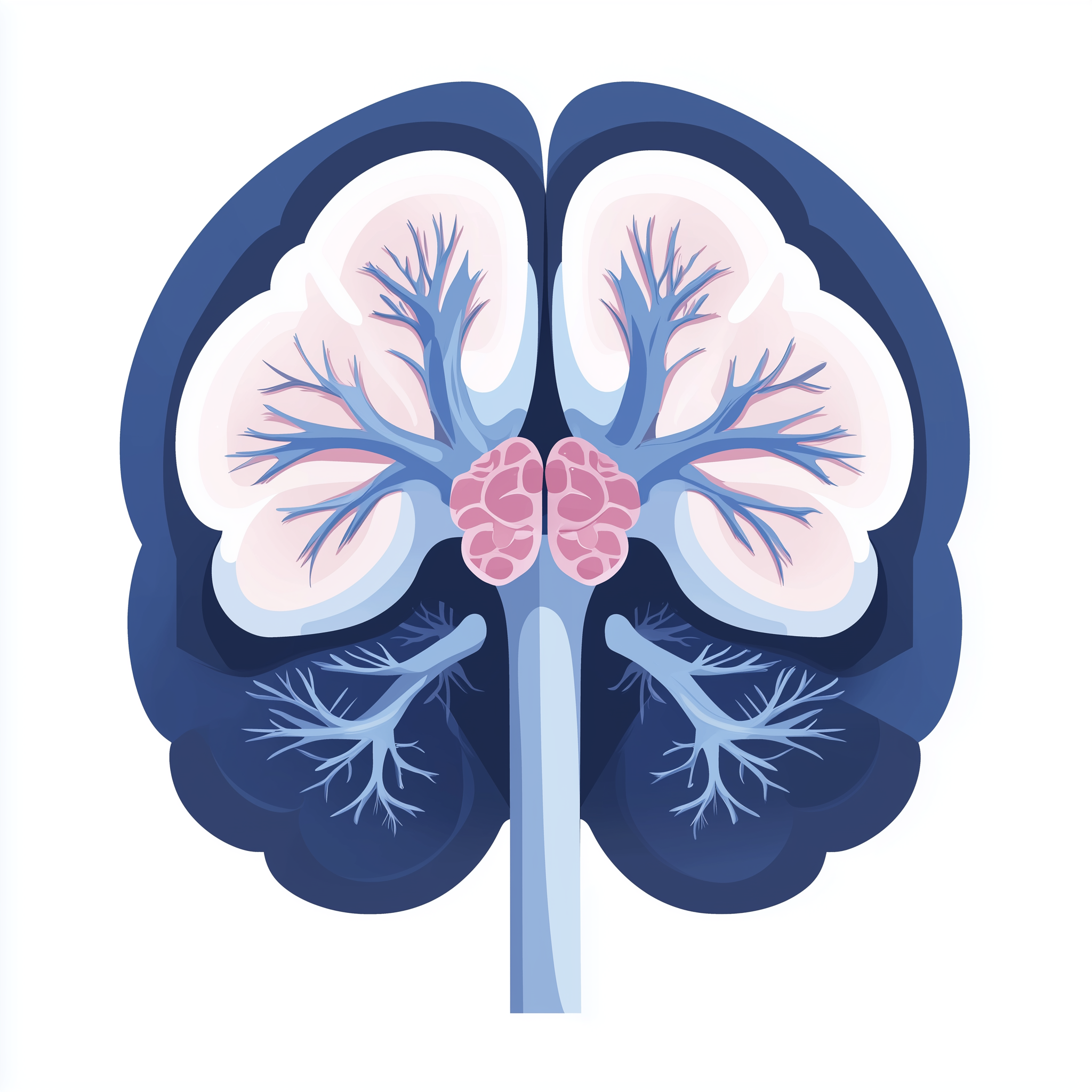
AGS7 primarily affects the brain and central nervous system. This can lead to structural brain changes, including calcifications (calcium deposits) in specific brain regions, and abnormalities in the brain's white matter. The condition also impacts the immune system, leading to an overactive innate immune response that causes inflammation within the brain [PMID:24727570]. This systemic immune dysregulation can also manifest as skin issues and blood count irregularities in some individuals.
Risks & severity
AGS7 is considered a severe condition, often leading to profound neurological impairment. The age of onset is typically in infancy or early childhood, with developmental regression or failure to meet developmental milestones. The severity can vary, but generally, affected individuals experience significant lifelong challenges. While exact prevalence figures are not well established due to its rarity, AGS7 is a very rare disease globally. The progressive nature of the neurological damage means that continuous support and management are usually required throughout an individual's life.
Genetic causes
Aicardi-Goutières syndrome type 7 is caused by pathogenic variants in the IFIH1 gene. The IFIH1 gene provides instructions for making a protein called interferon induced with helicase C domain 1, also known as MDA5. This protein plays a crucial role in the innate immune system, helping the body detect and respond to viral infections. Specifically, MDA5 recognises viral RNA and triggers an immune response, including the production of interferon proteins, which are important for fighting viruses [PMID:22055627]. In AGS7, certain changes in the IFIH1 gene lead to an overactive MDA5 protein. This exaggerated immune response causes the body to mistakenly attack its own tissues, particularly in the brain, leading to inflammation and neurological damage, even without an actual viral infection [PMID:22055627].
- IFIH1 interferon induced with helicase C domain 1
Inheritance pattern
AGS7 is inherited in an autosomal dominant pattern. This means that a person only needs one copy of the altered IFIH1 gene to develop the condition. If a parent has AGS7, there is a 50% chance with each pregnancy that their child will also inherit the condition. In many cases of AGS7, the genetic change occurs spontaneously in the affected individual and is not inherited from either parent; this is known as a de novo variant. For family planning, genetic counselling can provide detailed information about inheritance risks and testing options for family members.
Each child of an affected parent has a 50% chance of inheriting the pathogenic variant, regardless of sex.
Diagnosis & testing
Diagnosing AGS7 typically involves a combination of clinical evaluation, brain imaging, and genetic testing. Characteristic findings on brain imaging, such as intracranial calcifications and white matter abnormalities, often prompt suspicion of AGS. Blood tests may show elevated levels of interferon-alpha and other markers of inflammation [PMID:24727570]. Confirmation of AGS7 relies on genetic testing, which identifies pathogenic variants in the IFIH1 gene. In the UK, genetic testing for Aicardi-Goutières syndrome, including IFIH1 related forms, can be accessed through the NHS Genomic Medicine Service (GMS) by clinical genetics teams. These tests are typically guided by the R205 (Genetic neurological disorders with intellectual disability onset in childhood) or R206 (Genetic neurological disorders presenting in infancy/childhood) R-codes on PanelApp. Referrals to clinical genetics services are usually made by paediatricians or neurologists who suspect a genetic condition.
Management & lifestyle
Currently, there is no cure for AGS7, and management focuses on alleviating symptoms and providing supportive care. A multidisciplinary team of specialists, including paediatricians, neurologists, physiotherapists, occupational therapists, and speech and language therapists, is typically involved. Treatments may include medications to manage seizures, therapies to improve motor skills and communication, and nutritional support. Regular monitoring for complications and adjustments to care plans are essential. In some cases, treatments aimed at modulating the immune response might be considered, but these are often experimental and require careful evaluation. Families can access support and information from genetic counsellors, who can help navigate the condition and its implications.
UK care pathway
In the UK, individuals suspected of having AGS7 are typically referred to specialist paediatric or neurology services within the NHS. Genetic testing, guided by NHS Genomic Medicine Service (GMS) pathways and relevant R-codes like R205 or R206, is crucial for diagnosis. A confirmed genetic diagnosis by a clinical genetics team opens pathways to ongoing genomic counselling, family planning advice, and access to specialist opinions within the GMS. Genetic counsellors provide vital information, emotional support, and coordinate access to wider support networks for patients and their families.
Frequently asked questions
What is the life expectancy for someone with Aicardi-Goutières syndrome type 7?
Life expectancy for individuals with AGS7 can vary widely depending on the severity of the neurological involvement and associated complications. Many individuals experience significant health challenges, and outcomes are best discussed with a clinical team familiar with the specific case.
Can Aicardi-Goutières syndrome type 7 be prevented?
AGS7 is a genetic condition caused by random or inherited changes in the IFIH1 gene, so it cannot be prevented. For families with a history of AGS7, genetic counselling can help assess the risk of passing the condition on to future children and discuss reproductive options.
How does AGS7 differ from other types of Aicardi-Goutières syndrome?
While all types of Aicardi-Goutières syndrome share similar core features like brain inflammation and neurological issues, the specific gene affected (e.g., IFIH1 for AGS7) can influence the exact presentation and severity. Genetic testing is necessary to determine the specific type of AGS.
Are there clinical trials for new treatments for AGS7?
Research into Aicardi-Goutières syndrome is ongoing, and clinical trials for new treatments, particularly those targeting the underlying inflammatory processes, may be available. Families should discuss potential research opportunities with their healthcare providers or a clinical geneticist.
What support is available for families affected by AGS7 in the UK?
Families affected by AGS7 in the UK can access support through their NHS clinical teams, including genetic counsellors, and various charities and patient support groups dedicated to rare neurological conditions or Aicardi-Goutières syndrome. These organisations can offer information, peer support, and advocacy.