

On this page
Adult polyglucosan body disease
APBD is a rare genetic condition affecting the nervous system, leading to symptoms such as difficulty walking, bladder problems, and cognitive changes. It typically becomes apparent in adulthood.
Available at Jeen Health
Clinical tests that include this
Overview
Adult polyglucosan body disease (APBD) is a rare, progressive neurodegenerative disorder. It is characterised by the accumulation of abnormal carbohydrate molecules, called polyglucosan bodies, within cells. These accumulations primarily affect the nervous system, leading to a range of neurological symptoms [PMID:33678082].
APBD is a type of glycogen storage disorder, where the body cannot properly process glycogen, which is the main form of glucose (sugar) storage. Instead of being stored and released efficiently, abnormal glycogen builds up, particularly in nerve cells, disrupting their normal function. This condition usually presents in adulthood, typically between the fourth and sixth decades of life [PMID:34421111].
Symptoms & clinical features
The symptoms of APBD usually develop gradually and worsen over time. Initial symptoms often involve the nervous system. Common presentations include progressive weakness and numbness in the legs, leading to difficulty walking (gait disturbance) and balance problems.
Bladder dysfunction is also a very common early symptom, often including urinary urgency and incontinence. Other neurological features that may develop include muscle stiffness (spasticity), reduced sensation, and in some individuals, cognitive changes such as difficulties with memory or executive functions. Some people may also experience motor neuron disease-like symptoms or peripheral neuropathy [PMID:34421111].
Video: Genetics 101
Affected organs
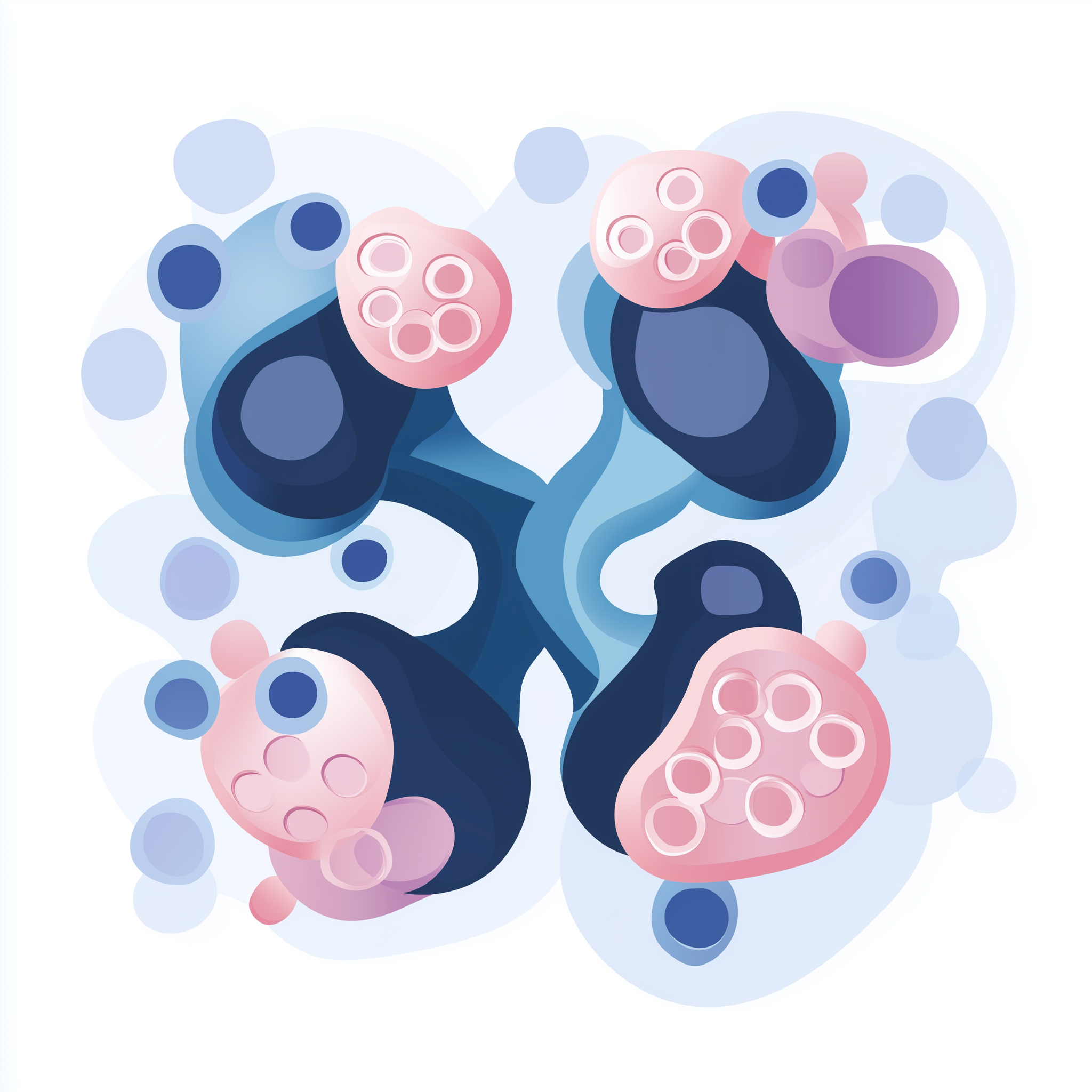
While APBD primarily affects the central and peripheral nervous systems, polyglucosan bodies can accumulate in other tissues as well. In the nervous system, these abnormal accumulations are found in nerve cells throughout the brain, spinal cord, and peripheral nerves. This widespread neurological involvement accounts for the broad range of symptoms experienced by individuals with APBD.
Occasionally, polyglucosan bodies may also be found in other organs, though these accumulations typically cause fewer noticeable clinical problems compared to the neurological effects. The most significant impact of APBD is on nerve function, leading to sensory, motor, and autonomic nervous system issues.
Risks & severity
Adult polyglucosan body disease is a progressive condition, meaning that symptoms typically worsen gradually over time. The severity and rate of progression can vary between individuals, even within the same family. Initial symptoms often appear in adulthood, usually from the 30s to 60s.
The condition can significantly impact quality of life, particularly due to mobility issues and bladder dysfunction. While APBD is a serious condition, it is not typically considered to directly shorten life expectancy dramatically, though complications arising from neurological impairment can occur. The exact prevalence of APBD is not well established, but it is considered a very rare disorder.
Genetic causes
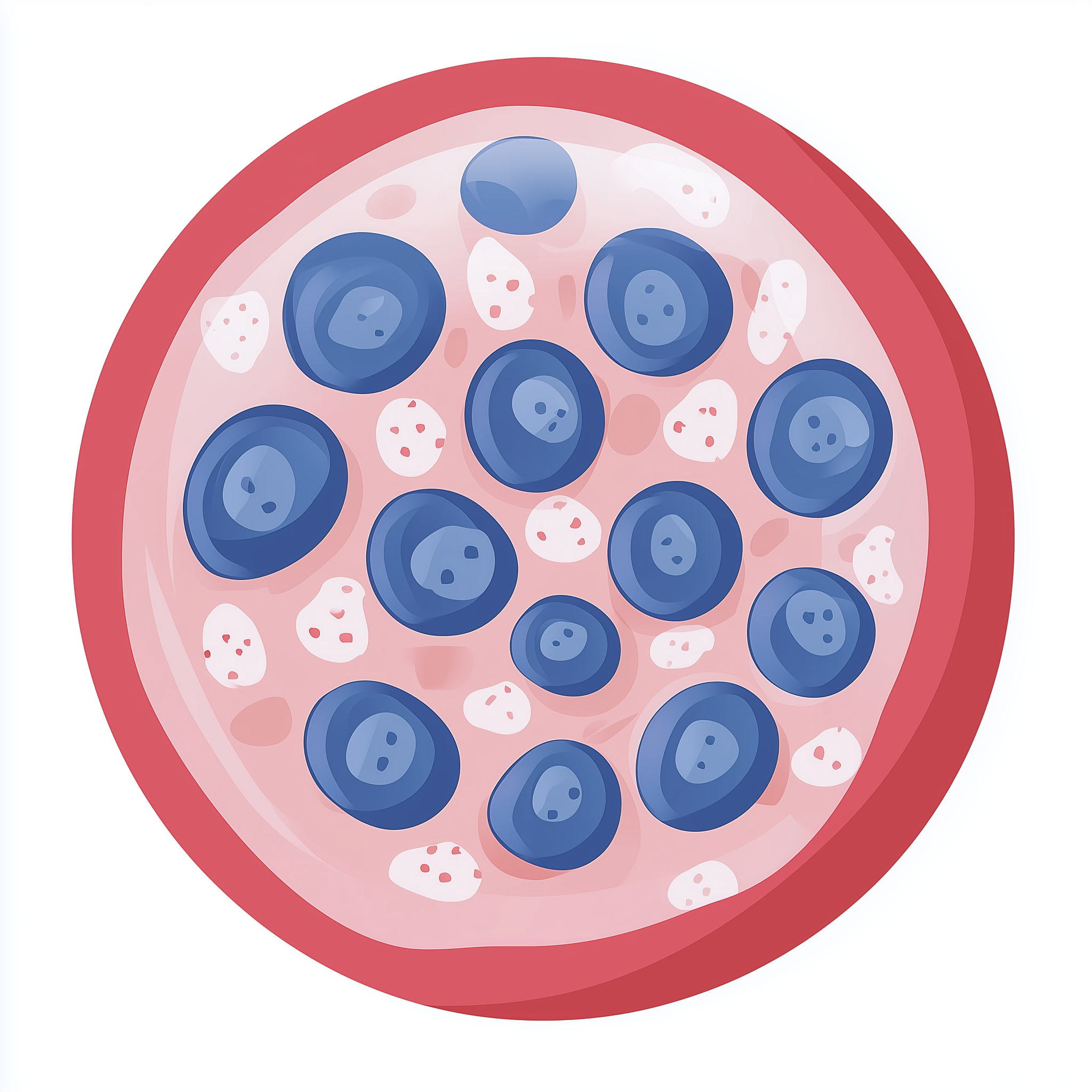
Adult polyglucosan body disease is caused by pathogenic variants in the GBE1 gene. This gene provides instructions for making an enzyme called glycogen branching enzyme 1 (GBE1). This enzyme is crucial for creating the branched structure of glycogen, which is the storage form of glucose.
Normally, the GBE1 enzyme helps add branches to the growing glycogen molecule, making it more compact and easier for the body to store and break down for energy. When there are pathogenic variants in GBE1, the enzyme either works incorrectly or is not produced at sufficient levels. This leads to the formation of abnormally structured, unbranched glycogen molecules, known as polyglucosan bodies, which cannot be properly metabolised and accumulate in cells, particularly nerve cells [PMID:33678082].
- GBE1 1,4-alpha-glucan branching enzyme 1The GBE1 gene encodes the glycogen branching enzyme, which is essential for creating the branched structure of glycogen, a primary form of stored energy in the body.
Inheritance pattern
APBD is inherited in an autosomal recessive pattern. This means that an individual must inherit two copies of the pathogenic variant - one from each parent - to develop the condition. If a person inherits only one copy of a pathogenic GBE1 variant, they are considered a carrier. Carriers typically do not show symptoms of APBD.
When both parents are carriers of a GBE1 pathogenic variant, there is a 25% chance with each pregnancy that their child will inherit two copies of the variant and develop APBD. There is a 50% chance the child will be a carrier, and a 25% chance the child will inherit two unaffected copies of the gene.
When both parents are carriers, each child has a 25% chance of being affected, 50% of being a carrier, and 25% of being unaffected.
Diagnosis & testing
Diagnosing APBD typically involves a combination of clinical evaluation, neurological examinations, and specific diagnostic tests. Magnetic resonance imaging (MRI) of the brain and spinal cord may show characteristic changes. Nerve conduction studies and electromyography (EMG) can help assess nerve and muscle function.
A definitive diagnosis of APBD is usually confirmed through genetic testing, which identifies pathogenic variants in the GBE1 gene. Referral to a clinical geneticist or neurologist is often the pathway to confirm a diagnosis, particularly if APBD is suspected. In the UK, genetic testing for APBD may be available via the NHS Genomic Medicine Service, often falling under R-codes related to neuromuscular disorders or leukodystrophies.
Management & lifestyle
Currently, there is no cure for APBD, and management focuses on alleviating symptoms and improving quality of life. This involves a multidisciplinary approach, often including neurologists, urologists, physiotherapists, and occupational therapists.
Physiotherapy and occupational therapy can help manage mobility issues and maintain independence. Medications may be prescribed to manage specific symptoms, such as bladder dysfunction or muscle stiffness. Regular monitoring by healthcare professionals is important to address new symptoms and manage the progression of the condition. Ongoing research continues to explore potential therapies for APBD.
UK care pathway
For individuals in the UK, suspected cases of APBD are typically referred by their GP to a neurologist. If a genetic condition is suspected, onward referral to a clinical genetics service is the usual route. Here, genetic counsellors can provide support, discuss inheritance patterns, and arrange genetic testing via the NHS Genomic Medicine Service.
Genetic testing for APBD would generally be requested under an appropriate R-code, often within the neurological or neuromuscular disorder testing directories. The NHS provides comprehensive diagnostic and management pathways tailored to rare conditions, ensuring individuals receive specialised care and support.
Frequently asked questions
Is Adult Polyglucosan Body Disease always inherited?
Yes, APBD is an inherited genetic condition. It follows an autosomal recessive inheritance pattern, meaning that a person must inherit a pathogenic variant in the GBE1 gene from both parents to develop the disease.
When do symptoms of APBD typically start?
Symptoms of APBD usually begin in adulthood. While there can be variation, onset commonly occurs between the ages of 30 and 60, with symptoms gradually worsening over time.
Can APBD affect people of all ethnic backgrounds?
APBD can affect individuals from any ethnic background. However, specific GBE1 pathogenic variants are observed more frequently in certain populations, for example, among individuals of Ashkenazi Jewish descent, due to founder effects.
Are there any treatments to stop the progression of APBD?
Currently, there is no treatment that can halt or reverse the progression of APBD. Management focuses on addressing symptoms and providing supportive care to improve an individual's quality of life. Research into potential therapies is ongoing.
What kind of specialist doctor manages APBD?
Individuals with APBD are typically managed by a neurologist, who specialises in disorders of the nervous system. Other specialists like urologists, physiotherapists, and occupational therapists may also be involved in managing specific symptoms.
References
- Köhler W, Curiel J, Vanderver A. Adulthood leukodystrophies. Nature reviews. Neurology. 2018. PMID: 29302065
- Koch RL, Soler-Alfonso C, Kiely BT. Diagnosis and management of glycogen storage disease type IV, including adult polyglucosan body disease: A clinical practice resource. Molecular genetics and metabolism. 2023. PMID: 36796138
- Adam MP, Bick S, Mirzaa GM. GBE1 Adult Polyglucosan Body Disease. 1993. PMID: 20301758
- Ashrafi MR, Amanat M, Garshasbi M. An update on clinical, pathological, diagnostic, and therapeutic perspectives of childhood leukodystrophies. Expert review of neurotherapeutics. 2020. PMID: 31829048
- Souza PVS, Badia BML, Farias IB. GBE1-related disorders: Adult polyglucosan body disease and its neuromuscular phenotypes. Journal of inherited metabolic disease. 2021. PMID: 33141444
- Milde P, Guccion JG, Kelly J. Adult polyglucosan body disease. Archives of pathology & laboratory medicine. 2001. PMID: 11260627
- Ayrignac X. Disorders with prominent posterior fossa involvement. Handbook of clinical neurology. 2024. PMID: 39322387
- Zebhauser PT, Cordts I, Hengel H. Characterization of cognitive impairment in adult polyglucosan body disease. Journal of neurology. 2022. PMID: 34999962