

On this page
Aceruloplasminaemia
This condition results from changes in the CP gene, affecting the ceruloplasmin protein essential for iron metabolism. It typically manifests in adulthood with neurological symptoms and can also affect other organs.
Available at Jeen Health
Clinical tests that include this
Overview
Aceruloplasminaemia is a rare genetic condition that primarily affects how the body processes and distributes iron. In individuals with this disorder, the ceruloplasmin protein, which is vital for iron metabolism, is either absent or dysfunctional. This leads to an excessive build-up of iron in various organs, most notably the brain, but also in the liver, pancreas, and other tissues [PMID:16508930]. The accumulation of iron can cause damage and impair the function of these organs over time. This condition is inherited and typically becomes apparent in adulthood, often between the ages of 20 and 60 years [PMID:18498846].
Symptoms & clinical features
The symptoms of aceruloplasminaemia often develop gradually, and their severity can vary among affected individuals. Early signs might include anaemia, which is a reduction in healthy red blood cells, and problems with balance and coordination (ataxia). As the condition progresses, neurological symptoms tend to become more prominent. These can include movement disorders, such as involuntary muscle contractions (dystonia), tremor, and difficulty with speech (dysarthria). Cognitive changes, like memory problems or difficulty with executive functions, may also occur [PMID:18498846].
Beyond neurological issues, other symptoms can arise due to iron accumulation in non-brain tissues. Diabetes mellitus, resulting from iron deposition in the pancreas, is a common feature. Liver dysfunction, heart problems, and retinal degeneration (affecting vision) have also been reported. The specific combination and severity of symptoms depend on which organs are most affected by iron overload in each individual.
Video: Genetics 101
Affected organs
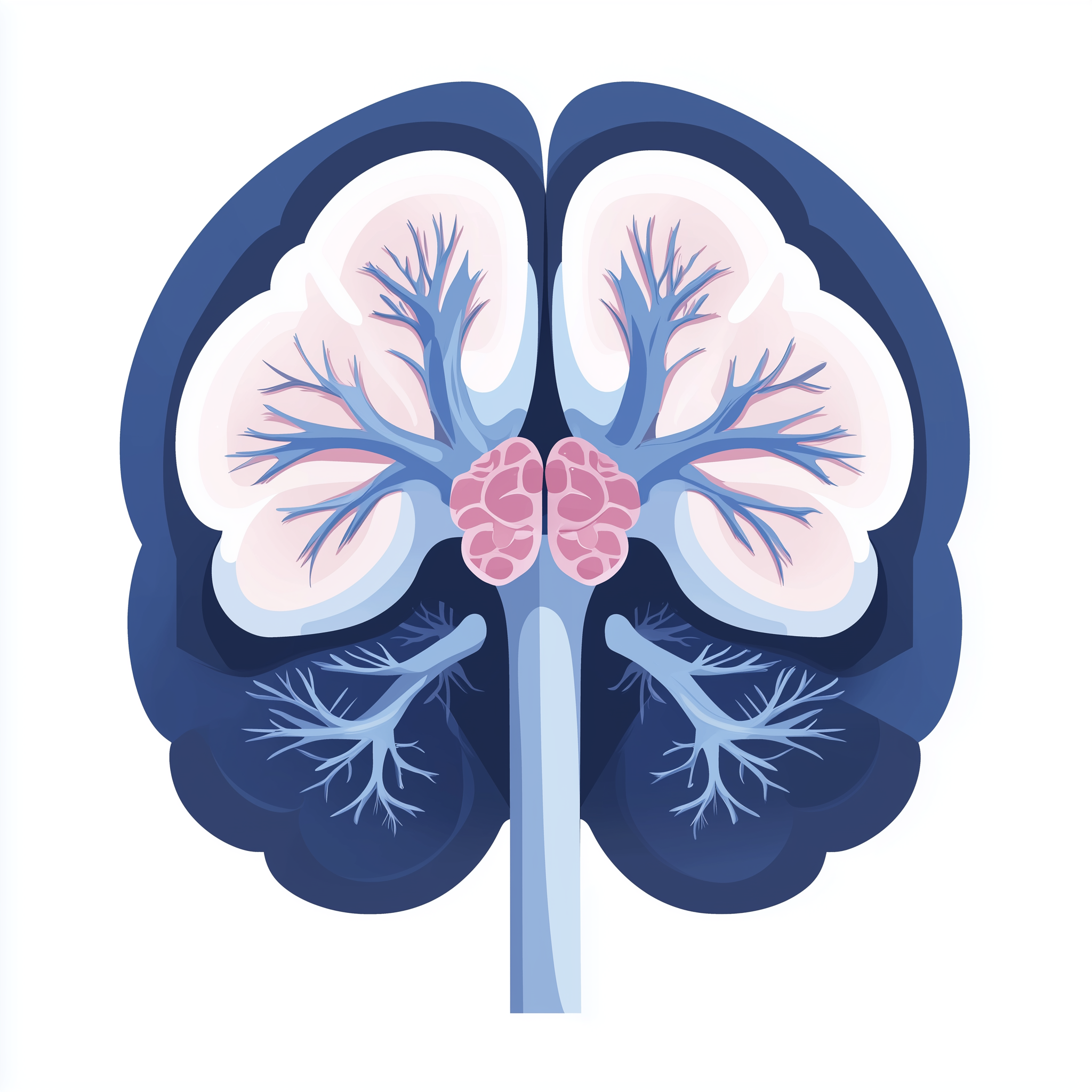
Aceruloplasminaemia primarily impacts organs where iron tends to accumulate over time. The brain is particularly vulnerable, with iron deposition occurring in specific regions, such as the basal ganglia and dentate nuclei. This iron build-up in the brain is responsible for the characteristic neurological symptoms seen in the condition.
Other organs commonly affected include the liver, where iron can accumulate and potentially lead to damage. The pancreas is another frequent site of iron deposition, which can impair its function and lead to diabetes. Less commonly, iron can also accumulate in the retina of the eyes, causing visual disturbances, and in the heart, potentially leading to cardiac issues.

Risks & severity
Aceruloplasminaemia is considered a progressive condition, meaning symptoms tend to worsen over time if not managed. The lifetime risks associated with the disorder largely stem from iron accumulation and subsequent organ damage. The severity of the condition varies, but untreated individuals often experience significant neurological decline and complications from iron overload in other organs. The average age of symptom onset is typically in adulthood, generally between 20 and 60 years of age, though some individuals may experience earlier or later onset [PMID:18498846]. Early diagnosis and careful management are important for potentially mitigating the progression of symptoms and improving quality of life.
Genetic causes
Aceruloplasminaemia is caused by pathogenic changes (also called variants or mutations) in the CP gene. The CP gene provides instructions for making the ceruloplasmin protein. This protein is crucial for transporting copper and plays a key role in iron metabolism. Specifically, ceruloplasmin acts as an enzyme that converts ferrous iron (Fe2+) into ferric iron (Fe3+), which is the form of iron that can be safely loaded onto transferrin for transport throughout the body or stored within cells.
When there are pathogenic changes in the CP gene, the body either produces no functional ceruloplasmin or a protein that does not work correctly. This leads to impaired iron efflux from cells and therefore poor iron transport, causing iron to accumulate excessively in various tissues, particularly in brain cells and organs like the liver and pancreas. This iron build-up causes oxidative stress and cellular damage, leading to the diverse symptoms observed in aceruloplasminaemia. Ceruloplasmin also has antioxidant properties, and its deficiency may further contribute to cellular damage.
- CP ceruloplasminThe *CP* gene provides instructions for making ceruloplasmin, a protein vital for iron metabolism and transport throughout the body and brain.
Inheritance pattern
Aceruloplasminaemia follows an autosomal recessive inheritance pattern. This means that a person must inherit two altered copies of the CP gene - one from each parent - to develop the condition. Individuals who inherit only one altered copy of the CP gene are called carriers. Carriers typically do not show symptoms of aceruloplasminaemia because their single functional copy of the gene is usually sufficient to produce enough healthy ceruloplasmin protein.
If both parents are carriers of a pathogenic CP gene variant, there is a 25% (1 in 4) chance with each pregnancy that their child will inherit two altered copies and thus be affected by aceruloplasminaemia. There is a 50% (1 in 2) chance that their child will be a carrier, and a 25% chance that their child will inherit two healthy copies of the gene and not be affected or a carrier.
When both parents are carriers, each child has a 25% chance of being affected, 50% of being a carrier, and 25% of being unaffected.
Diagnosis & testing
Diagnosis of aceruloplasminaemia typically begins with clinical suspicion based on presenting symptoms, especially when neurological issues are combined with anaemia, diabetes, or other signs of iron overload. Blood tests usually reveal low levels of ceruloplasmin and serum copper, along with high serum ferritin (an iron storage protein), despite often having normal or low transferrin saturation [PMID:16508930]. Magnetic Resonance Imaging (MRI) of the brain can show characteristic iron accumulation in specific brain regions.
Confirmation of aceruloplasminaemia is made through genetic testing, which identifies pathogenic variants in the CP gene. In the UK, such testing is accessed via the NHS Genomic Medicine Service (GMS) pathways. A clinician, often a neurologist or hepatologist, can refer an individual for genetic counselling and subsequent genetic testing if aceruloplasminaemia is suspected. The relevant NHS R-code for testing related to this condition would typically be for disorders of copper/iron metabolism (e.g., R151 for 'Iron metabolism disorders').
Management & lifestyle
The management of aceruloplasminaemia focuses on reducing iron accumulation in the body and managing specific symptoms. Iron chelation therapy, using medications that bind to iron and help the body excrete it, is a primary treatment approach to reduce iron overload [PMID:16508930]. Regular monitoring of iron levels and organ function is essential to adjust treatment as needed.
Symptomatic management is also crucial. For individuals with diabetes due to pancreatic iron overload, insulin therapy may be required. Neurological symptoms such as dystonia or tremor might be managed with specific medications or physical therapies. Nutritional guidance, including avoiding iron-rich foods, can also be part of a comprehensive management plan. An individual's care pathway in the UK would typically involve a multidisciplinary team, potentially including neurologists, endocrinologists, hepatologists, and genetic counsellors, coordinated through specialised NHS centres.
UK care pathway
In the UK, individuals with suspected aceruloplasminaemia would typically enter the NHS Genomic Medicine Service (GMS) pathway. This usually begins with a referral from a specialist clinician, such as a neurologist or hepatologist, to a regional Clinical Genetics service. Genetic counsellors play a vital role, providing information about the condition, inheritance patterns, and supporting families through the diagnostic process. Genetic testing for conditions like aceruloplasminaemia is performed under specific NHS R-codes, ensuring consistency and quality of testing across England.
Frequently asked questions
How rare is Aceruloplasminaemia?
Aceruloplasminaemia is considered a very rare condition. The exact prevalence is not well established, but only a limited number of cases have been reported worldwide since its initial description.
Can carriers of aceruloplasminaemia develop any symptoms?
Individuals who are carriers for aceruloplasminaemia typically do not develop symptoms of the condition. They have one functional copy of the CP gene, which is usually sufficient to prevent iron from accumulating to symptomatic levels.
Is there a cure for Aceruloplasminaemia?
Currently, there is no cure for aceruloplasminaemia. However, treatments like iron chelation therapy aim to manage iron levels, reduce accumulation, and mitigate the progression of symptoms, significantly improving the quality of life for affected individuals.
If I have Aceruloplasminaemia, what does this mean for my children?
If you have aceruloplasminaemia, it means you have two altered copies of the CP gene. Anyone you have children with would need to be a carrier of an altered CP gene themselves for your children to be at risk of inheriting the condition. Genetic counselling can provide personalised risk assessments and support.
How is Aceruloplasminaemia usually detected?
Detection often involves blood tests showing low ceruloplasmin levels and high ferritin, along with brain imaging (MRI) revealing iron deposits. The definitive diagnosis is made through genetic testing to identify specific changes in the CP gene.
References
- Texel SJ, Xu X, Harris ZL. Ceruloplasmin in neurodegenerative diseases. Biochemical Society transactions. 2008. PMID: 19021540
- Tarnacka B, Jopowicz A, Maślińska M. Copper, Iron, and Manganese Toxicity in Neuropsychiatric Conditions. International journal of molecular sciences. 2021. PMID: 34360586
- Hellman NE, Schaefer M, Gehrke S. Hepatic iron overload in aceruloplasminaemia. Gut. 2000. PMID: 11076887
- Rouault TA. Iron metabolism in the CNS: implications for neurodegenerative diseases. Nature reviews. Neuroscience. 2013. PMID: 23820773
- Doyle A, Rusli F, Bhathal P. Aceruloplasminaemia: a rare but important cause of iron overload. BMJ case reports. 2015. PMID: 25976187
- Muroi R, Yagyu H, Kobayashi H. Early onset insulin-dependent diabetes mellitus as an initial manifestation of aceruloplasminaemia. Diabetic medicine : a journal of the British Diabetic Association. 2006. PMID: 16978380
- Haemers I, Kono S, Goldman S. Clinical, molecular, and PET study of a case of aceruloplasminaemia presenting with focal cranial dyskinesia. Journal of neurology, neurosurgery, and psychiatry. 2004. PMID: 14742624
- Vasilyev VB. Looking for a partner: ceruloplasmin in protein-protein interactions. Biometals : an international journal on the role of metal ions in biology, biochemistry, and medicine. 2019. PMID: 30895493