

On this page
16p11.2 deletion syndrome
This syndrome arises when a small piece of chromosome 16 is deleted. It can lead to developmental delay, learning difficulties, and social communication challenges, though the severity varies widely between individuals. Around 3 in 10,000 people are estimated to have this deletion.
Overview
16p11.2 deletion syndrome occurs when approximately 600,000 base pairs of DNA are missing from one copy of chromosome 16. This deletion removes multiple genes that contribute to normal brain development and function. The condition was first recognised as a distinct syndrome in the early 2000s when genetic testing technologies advanced sufficiently to detect these small chromosomal changes.
The clinical features vary considerably, even among family members who share the same deletion. Some individuals experience significant developmental challenges, whilst others have milder difficulties or remain largely unaffected. This variability makes the condition difficult to predict and highlights the importance of individualised assessment and support.
Symptoms & clinical features
Developmental delay is commonly observed, with children often reaching milestones such as sitting, walking, or talking later than expected. Speech and language difficulties affect many individuals, ranging from mild articulation problems to more substantial challenges with expressive and receptive language. Learning disabilities of varying severity are frequent, and some children require additional educational support.
Behavioural and social communication difficulties occur in a proportion of cases. These may include features overlapping with autism spectrum disorder, such as restricted interests, repetitive behaviours, or challenges with social interaction. Attention difficulties and anxiety are also reported. Physical features are typically subtle but may include slightly unusual facial characteristics or differences in head size. Some individuals are prone to being overweight, whilst seizures occur in a minority of cases.
Video: Genetics 101
Affected organs
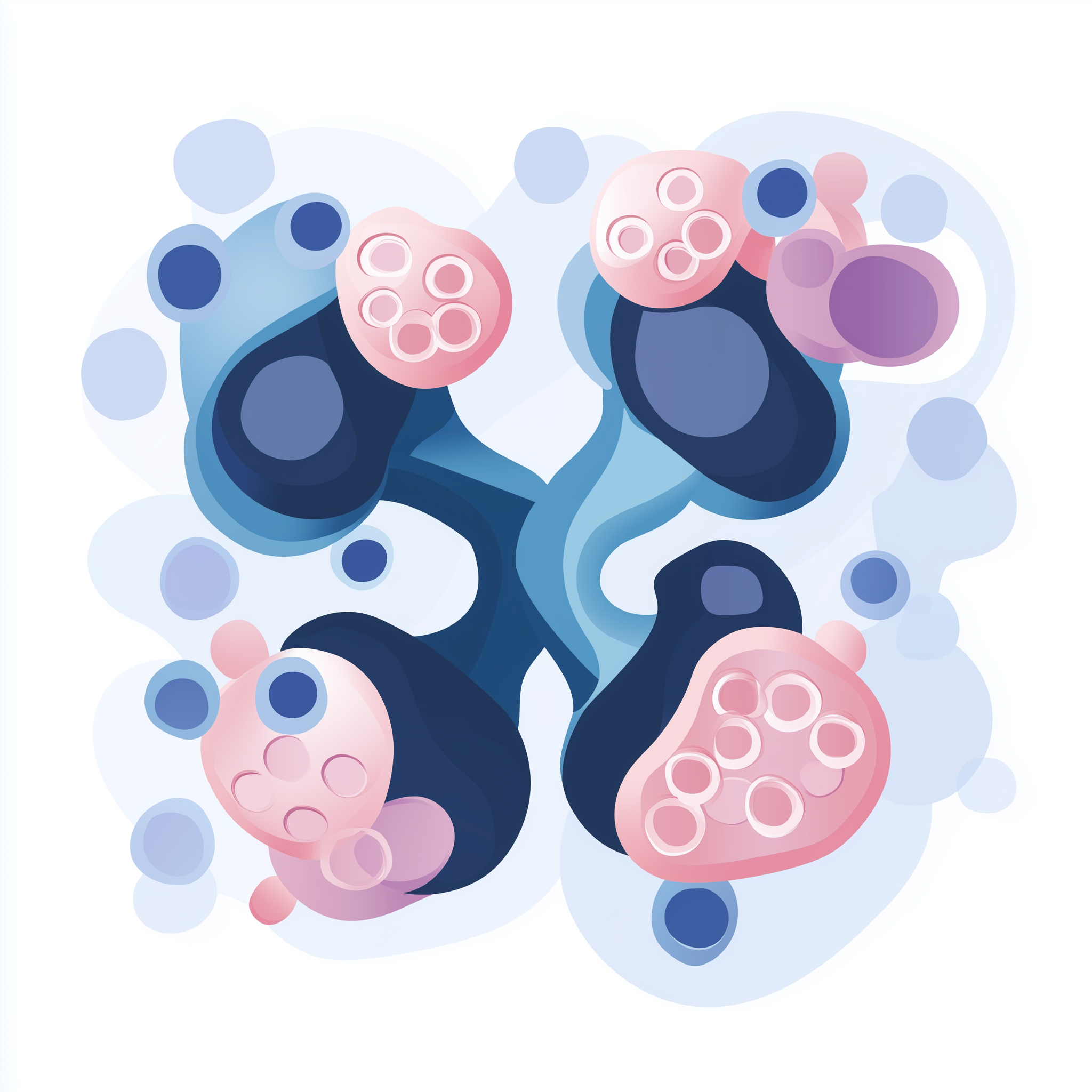
The brain is the primary organ affected by 16p11.2 deletion syndrome. Brain imaging studies have shown that some individuals have structural differences, including variations in brain volume or the size of specific regions involved in language, memory, and social processing. These neurological differences likely underlie the developmental, cognitive, and behavioural features of the condition.
Whilst the brain is most consistently affected, other body systems can occasionally be involved. These may include the heart, kidneys, or skeletal system, though significant abnormalities in these areas are less common than the neurodevelopmental features.
Risks & severity
The severity of 16p11.2 deletion syndrome varies widely. Some individuals function independently with minimal support, whilst others require lifelong assistance with daily activities. Developmental and learning difficulties tend to persist into adulthood, though early intervention and educational support can improve outcomes.
There is an increased risk of psychiatric conditions, including anxiety disorders, depression, and psychotic disorders, which may emerge in adolescence or adulthood. Ongoing monitoring and access to mental health services are important for affected individuals as they age.
Genetic causes
The syndrome results from a deletion of approximately 600 kilobases on the short arm of chromosome 16, specifically in the 11.2 region. This deleted segment contains around 25 genes, and the loss of multiple genes simultaneously is thought to disrupt normal brain development. The precise contribution of individual genes within this region remains an active area of research, as scientists work to understand which genes are most critical for the observed features.
Chromosomes are structures that carry genetic information, and humans typically have 46 chromosomes arranged in 23 pairs. The 16p11.2 deletion affects one of the two copies of chromosome 16, meaning individuals still have one functioning copy of the genes in this region on their other chromosome 16.
Inheritance pattern
Most cases of 16p11.2 deletion syndrome occur as new (de novo) events, meaning the deletion arises for the first time in the affected individual and was not inherited from either parent. However, the deletion can be passed from parent to child, and family studies have shown that a parent carrying the deletion may be mildly affected, unaffected, or more significantly affected than their child.
When a parent carries the deletion, each of their children has a 50% chance of inheriting it. Genetic counselling is recommended for families to discuss recurrence risks and testing options for relatives.
Diagnosis & testing
Diagnosis is confirmed through chromosomal microarray analysis, a genetic test that can detect small deletions and duplications across the genome. This test is often performed when a child presents with developmental delay, learning difficulties, or autism spectrum features. Clinical geneticists or paediatricians typically initiate the testing process.
Within the NHS, referral to clinical genetics services may be appropriate when 16p11.2 deletion syndrome is suspected or confirmed. Genetic counsellors can provide information about the condition, discuss implications for the family, and coordinate appropriate testing for relatives if desired.
Management & lifestyle
Management focuses on addressing individual needs through tailored support services. Early intervention programmes, including speech and language therapy, occupational therapy, and physiotherapy, can help children develop skills and reach their potential. Educational support plans should be individualised based on learning needs and reviewed regularly as the child progresses.
Regular developmental and behavioural assessments help identify emerging difficulties early. Access to mental health services may be beneficial for managing anxiety, attention difficulties, or other psychiatric symptoms. Families often benefit from connecting with support groups and organisations that provide information and peer support. Genetic counselling remains available to discuss inheritance, family planning, and testing options for relatives.
UK care pathway
Within the NHS Genomic Medicine Service, developmental delay and learning disability are recognised indications for genetic testing. If 16p11.2 deletion syndrome is suspected based on clinical features, referral to clinical genetics is typically made through a paediatrician, GP, or other specialist. Genetic counsellors play a key role in explaining test results, discussing implications for family members, and coordinating care.
Following diagnosis, multidisciplinary care involving paediatrics, neurology, psychiatry, and allied health professionals ensures comprehensive support. Families should be informed about available NHS services and community resources to support their child's development and well-being.
Frequently asked questions
Will my child with 16p11.2 deletion syndrome be able to live independently?
The level of independence varies widely. Some adults with this deletion live independently with minimal support, whilst others require more assistance. Early intervention, educational support, and addressing developmental needs can improve long-term outcomes.
Can 16p11.2 deletion syndrome be detected before birth?
Yes, prenatal testing such as chromosomal microarray on samples obtained through amniocentesis or chorionic villus sampling can detect this deletion. Genetic counselling before and after testing helps families understand the implications and make informed decisions.
If I have the deletion but am only mildly affected, will my child be the same?
Not necessarily. The severity of features varies even within families. Your child might be more affected, less affected, or similarly affected. Genetic counselling can discuss these uncertainties and help you prepare.
Are there specific health problems I should watch for in my child?
Developmental progress, speech and language skills, learning, and behaviour should be monitored regularly. Some children may develop seizures, weight concerns, or mental health difficulties, so ongoing paediatric and specialist follow-up is important to address needs as they arise.
References
- Chung WK, Roberts TP, Sherr EH. 16p11.2 deletion syndrome. Current opinion in genetics & development. 2021. PMID: 33667823
- Ruggero A, Tirado CA. 16p11.2 Deletion Syndrome. Journal of the Association of Genetic Technologists. 2024. PMID: 39645613
- Mitrakos AK, Kosma K, Makrythanasis P. The Phenotypic Spectrum of 16p11.2 Recurrent Chromosomal Rearrangements. Genes. 2024. PMID: 39202413
- Vos N, Kleinendorst L, van der Laan L. Evaluation of 100 Dutch cases with 16p11.2 deletion and duplication syndromes; from clinical manifestations towards personalized treatment options. European journal of human genetics : EJHG. 2024. PMID: 38605127
- Jiménez-Romero MS, Fernández-Urquiza M, Benítez-Burraco A. Language and Communication Deficits in Chromosome 16p11.2 Deletion Syndrome. Journal of speech, language, and hearing research : JSLHR. 2022. PMID: 36410413
- Choo BKM, Barnes S, Sive H. A Hypothesis: Metabolic Contributions to 16p11.2 Deletion Syndrome. BioEssays : news and reviews in molecular, cellular and developmental biology. 2025. PMID: 39988938
- Chung WK, Herrera FF, Simon's Searchlight Foundation. Health supervision for children and adolescents with 16p11.2 deletion syndrome. Cold Spring Harbor molecular case studies. 2023. PMID: 38050025
- Verbesselt J, Breckpot J, Zink I. Developmental milestones and cognitive trajectories in school-aged children with 16p11.2 deletion. Journal of neurodevelopmental disorders. 2025. PMID: 40537766